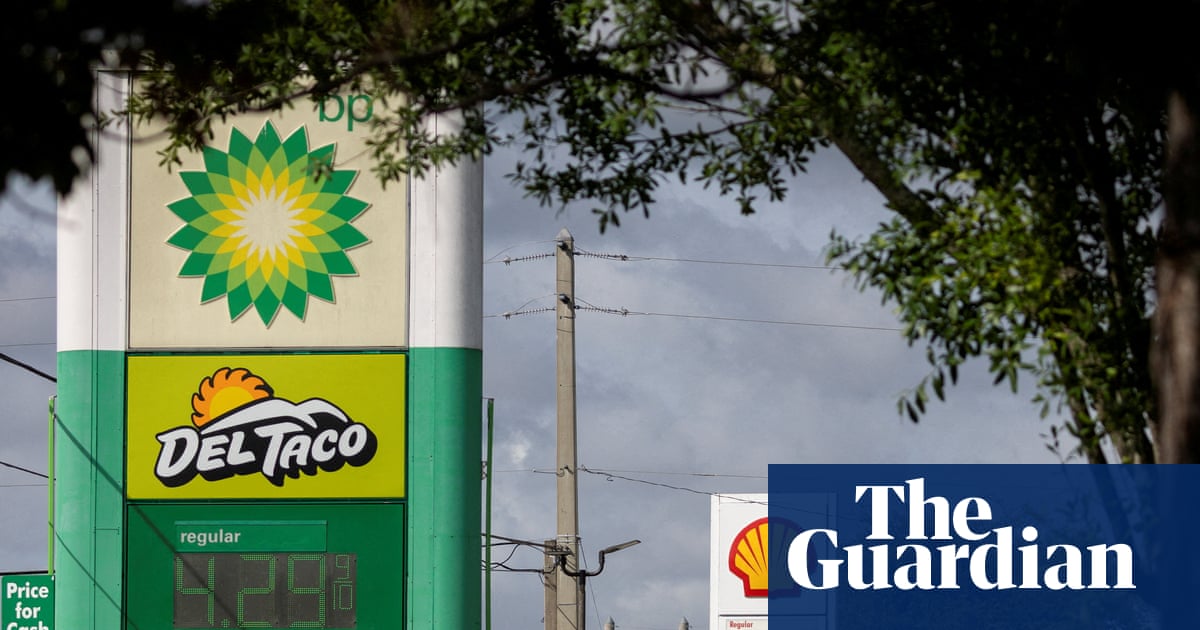
US inflation accelerated to 3.8% in April, the highest since 2023, as energy prices rose 3.8% and gas prices jumped 28.4% amid the Middle East war and Strait of Hormuz disruption. Core CPI increased 2.8%, while food prices were up 3.8% and airfares surged 20.7%, underscoring broad-based cost pressure. The hotter inflation print complicates the case for Fed rate cuts and could keep policy rates at 3.5% to 3.75% longer.
This is a classic regime-risk setup: energy is doing the heavy lifting, but the more important second-order effect is that headline inflation is re-accelerating while core is still sticky enough to keep the Fed uncomfortable. That combination tends to push front-end real yields higher and steepen policy uncertainty, which is negative for duration-sensitive assets even if growth is already slowing. The market’s bigger mistake would be to treat this as a one-month energy shock; once households and firms internalize higher fuel and utility bills, discretionary spending and airline demand can soften with a 1-2 quarter lag.
The clearest winners are upstream energy, refinery crack spread exposure, and domestic pipeline/storage names with pricing power and low direct geopolitical throughput risk. The obvious losers are travel/leisure, consumer discretionary, and any business with high freight or utility intensity; the less obvious loser is small-cap growth, because higher inflation alongside a resistant Fed usually compresses terminal multiples faster than it damages near-term earnings. Air travel is especially vulnerable because fuel is only part of the problem: higher fares can also choke load factors right as consumers trade down or defer trips.
The market may be underestimating policy asymmetry. Even if officials want lower rates, persistent inflation makes cuts politically and institutionally harder, so the short end can reprice faster than the long end if the Fed signals a prolonged pause. That is bearish for levered balance sheets and bullish for cash-rich defensives; it also raises the odds that any relief rally in cyclicals gets sold until energy prices stabilize for several prints.
Contrarian view: if the conflict de-escalates, the inflation impulse could unwind faster than consensus expects because the shock is concentrated in energy and travel, not broadening yet into shelter or wages. In that case, the recent move in inflation-sensitive assets could be overdone, especially if positioning has already crowded into oil and defensives. The key tells are gasoline futures, airline capacity commentary, and whether core services re-accelerate or roll over in the next two CPI prints.
AI-powered research, real-time alerts, and portfolio analytics for institutional investors.
Request DemoOverall Sentiment
moderately negative
Sentiment Score
-0.35
