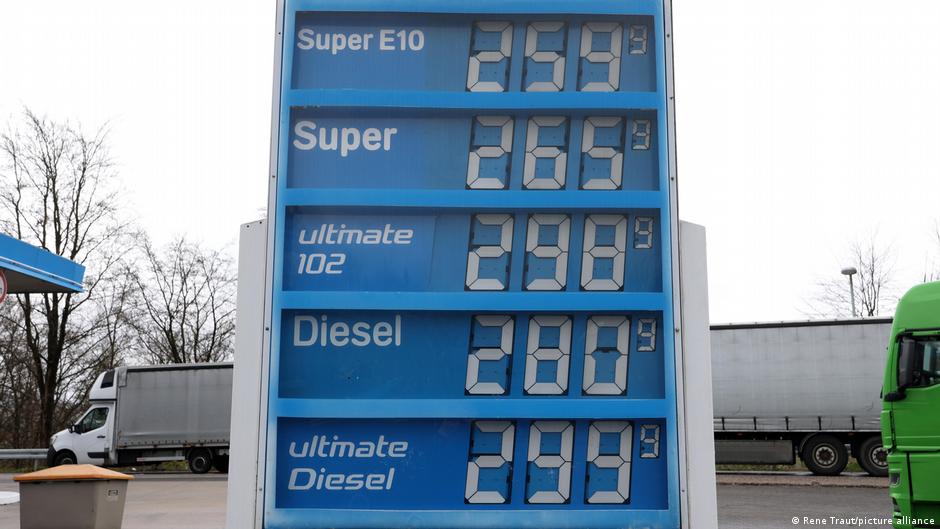
EU finance ministers (Germany, Austria, Italy, Portugal, Spain) urged an EU-wide windfall tax on energy firms as diesel in Germany hit a record €2.391/liter and European gas prices have risen over 70% since Feb. 28 after Iran closed the Strait of Hormuz. Ministers say a windfall profits tax could finance temporary consumer relief, curb inflation and avoid added strain on public budgets; contemplated measures include a windfall tax, gas-price caps and demand-reduction targets. Adoption would be sector-moving, potentially reducing energy company profits and easing euro-area inflationary pressure if implemented.
An EU‑wide windfall contribution will act like an ex‑post cash sweep: it reduces distributable free cash flow without immediately impairing upstream physical supply. Expect producers to respond by widening the split between term and spot sales — pushing more barrels into term contracts or onto floating storage — which tightens near‑term physical availability and steepens the forward curve (contango). This is a liquidity and basis story as much as a headline profit hit.
Second‑order winners will be owners of storage/tankers and energy trading desks that monetize forward curve arbitrage; losers are equity holders who relied on buybacks and high single‑year free cash conversion. Capital allocation will re‑price: integrated majors will defer greenfield capex and M&A while utilities with regulated pass‑through revenue see relative balance‑sheet resilience, shifting investor preference within the sector. Financial market impacts include elevated capital flight risk from highly exposed energy REITs/holdings and episodic widening in sovereign spreads for energy‑importing EMs.
Timing: legislative proposals move on a weeks→months cadence; implementation risk and legal appeals could take 6–18 months to resolve, but market reactions (hedging, cargo stacking) occur in days. Catalysts that could reverse the move are a rapid reopening of Hormuz, a coordinated EEA exemptions package for investments, or decisive legal stays that narrow the tax base. Monitor realized margins, announced buyback/capex changes, and tanker charter rates for an early read on effective economic impact.
AI-powered research, real-time alerts, and portfolio analytics for institutional investors.
Overall Sentiment
mildly negative
Sentiment Score
-0.15
