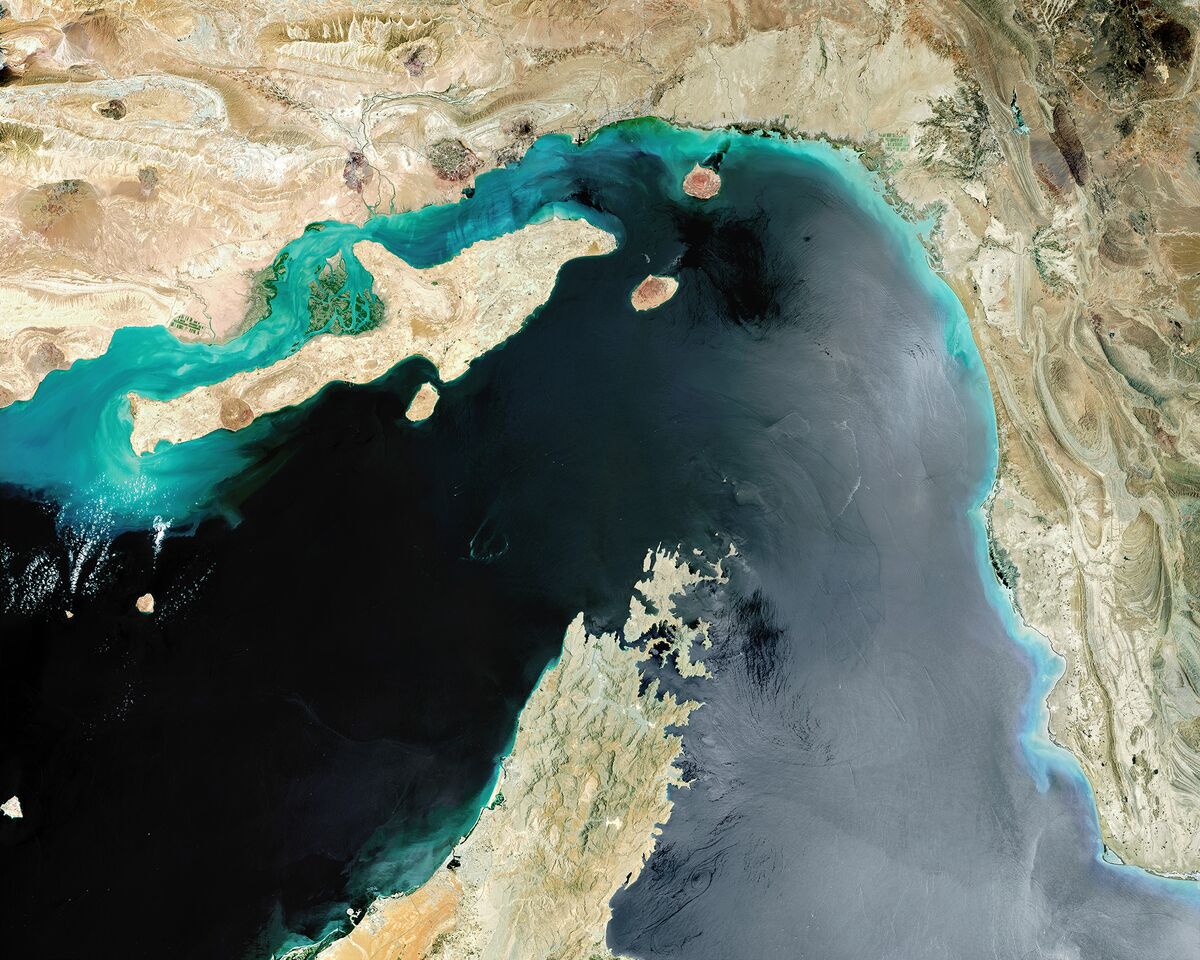
Israeli strikes on Iran have heightened concerns regarding the security of key Middle Eastern shipping routes, potentially disrupting global oil supply and trade. The strikes, targeting Iranian nuclear and military facilities, have escalated regional tensions, raising the risk of retaliatory actions that could impact vital maritime chokepoints.
Israel's recent strikes targeting major nuclear and military facilities in Iran represent a significant escalation of regional tensions, directly threatening the stability of key maritime thoroughfares in the Middle East. This development has prompted warnings from shipping lines, brokers, and analysts regarding potential disruptions to these chokepoints, which are critical for global oil supply and international trade. The prospect of Iranian retaliation, with threats of a 'very heavy price,' further heightens uncertainty and the risk of protracted conflict, which could severely impact energy markets and global supply chains. The strongly negative sentiment and high market impact score associated with this event underscore the serious implications for global economic stability, particularly concerning transportation logistics and energy prices.
AI-powered research, real-time alerts, and portfolio analytics for institutional investors.
Request DemoOverall Sentiment
strongly negative
Sentiment Score
-0.75
