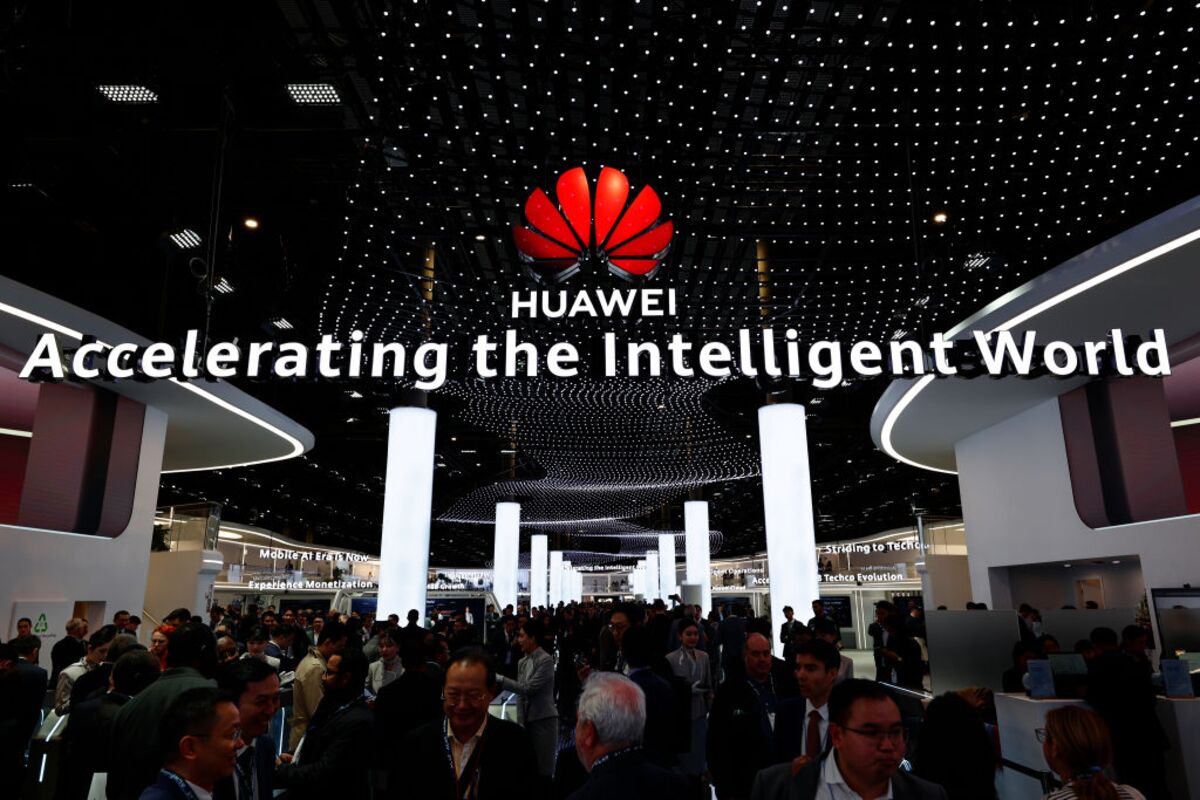
Huawei's secretive AI lab has publicly rebutted accusations that its Pangu AI platform copied rival models, specifically addressing claims on GitHub of uncredited material in its source code. The company stated its Pangu Pro MoE is the first model trained on its proprietary Ascend chips, emphasizing adherence to intellectual property rights and licensing terms despite utilizing common open-source code. This forceful denial underscores Huawei's commitment to defending the originality and legitimacy of its core AI development amid intense scrutiny and competition.
Huawei's AI research lab has taken the unusual and defensive step of publicly rebutting allegations of intellectual property theft concerning its Pangu AI platform. The accusations, which surfaced on GitHub, claimed the model's source code contained uncredited material from rivals. In response via a WeChat post, Huawei acknowledged the use of open-source code as "common practice" but insisted it respects IP and licensing terms. Critically, the company is leveraging this situation to highlight its technological independence, stating its Pangu Pro MoE model is the first of its kind trained on its proprietary Ascend chips, which are positioned as direct competitors to Nvidia Corp.'s AI accelerators. This event underscores the intense scrutiny and high reputational stakes within the competitive AI landscape, where establishing the legitimacy of proprietary technology is paramount for market acceptance and ecosystem development.
AI-powered research, real-time alerts, and portfolio analytics for institutional investors.
Request DemoOverall Sentiment
mixed
Sentiment Score
-0.10
Ticker Sentiment
