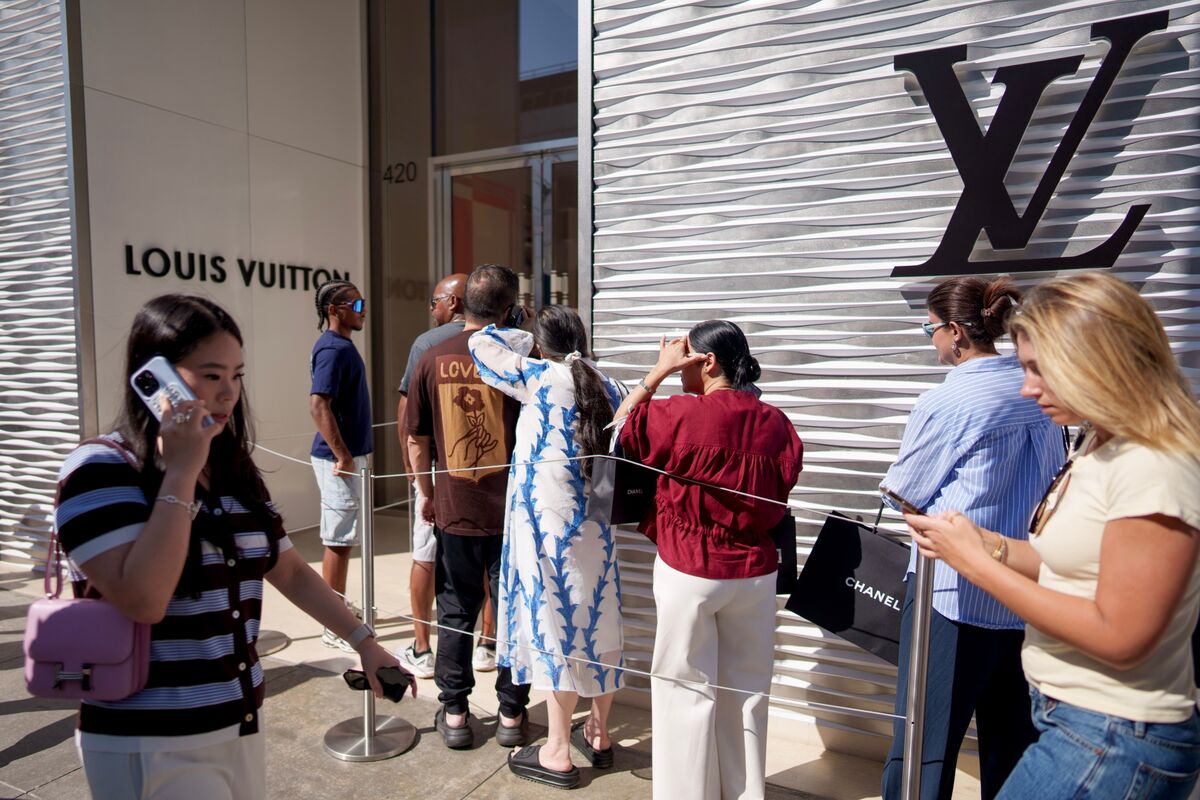
The top 10% of U.S. earners accounted for 49.2% of total consumer spending in Q2, up from 48.5% in Q1 and marking the highest level since 1989, according to Moody's Analytics. This increasing concentration of spending among the wealthy highlights a lopsided economic strength, raising concerns about a broader slowdown amidst decelerating hiring and caution among lower-income cohorts.
A significant concentration of consumer spending power is evident in the US economy, with the top 10% of earners accounting for a record 49.2% of total expenditures in the second quarter. This figure, reported by Moody's Analytics, represents an increase from 48.5% in the first quarter and marks the highest share for this cohort in data extending back to 1989. This trend highlights a lopsided economic landscape where a small, wealthy demographic props up consumption. The reliance on this segment is particularly concerning when contrasted with a concurrent slowdown in hiring and increased wariness among other income groups, signaling potential fragility in the broader consumer market and elevating the risk of a future economic slowdown.
AI-powered research, real-time alerts, and portfolio analytics for institutional investors.
Request DemoOverall Sentiment
mildly negative
Sentiment Score
-0.15
