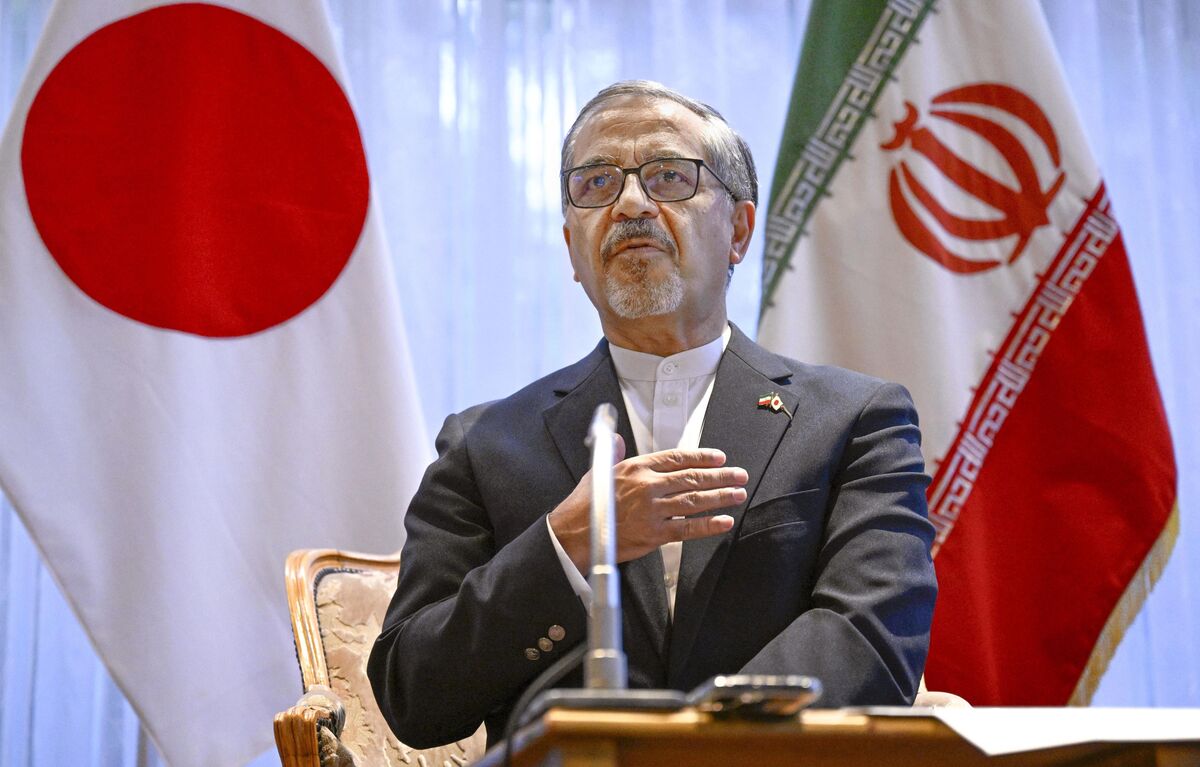
Iran's ambassador to Japan, Peiman Seadat, said in Tokyo that it is unacceptable for the US to unilaterally impose a peace plan on Tehran, implicitly referencing President Trump and insisting on 'no unilateral imposition.' The comment follows meetings with Japan's ruling party and signals Tehran's rejection of a US-led settlement; it does not change the conflict's status nor indicate new negotiations. Market impact is limited but maintains a background geopolitical risk premium that could influence risk-sensitive assets if repeated or escalated.
The Iranian rejection of a US-imposed solution raises the probability of a drawn-out, calibrated proxy phase rather than a single decisive shock; expect a steady drip of asymmetric incidents (maritime harassment, UAV/rocket strikes, cyber operations) over months that produce episodic market skittishness rather than a one-time spike. Mechanically, these incidents lift shipping disruption and insurance premia first (IM, P&I rates) and only secondarily threaten physical energy flows, which means short-dated risk assets (airlines, travel, regional equities) will lead any sell-off while broader commodity dislocations take longer to materialize.
From a policy and capex angle, allies frustrated by unilateralism accelerate their own defense procurement and force posture adjustments on a 6–24 month cadence—this benefits prime contractors and regional shipbuilders with multi-year RFP pipelines. Conversely, corporates dependent on predictable trade lanes and tourist flows face margin pressure through higher SG&A and fuel/insurance pass-throughs; these are the canaries that will show stress within 2–8 weeks of any incident cluster.
The investor cliff to watch is political: if US domestic politics push for aggressive actions around election windows, volatility and risk premia can jump quickly (days–weeks) and reverse just as fast on diplomatic de-escalation. That asymmetry favors hedges with limited time decay and active trade management rather than large, directional carries—expect whipsaw windows where gold, Treasuries, and defense names outperform then retrace once backchannels reassert control.
AI-powered research, real-time alerts, and portfolio analytics for institutional investors.
Request DemoOverall Sentiment
neutral
Sentiment Score
0.00
