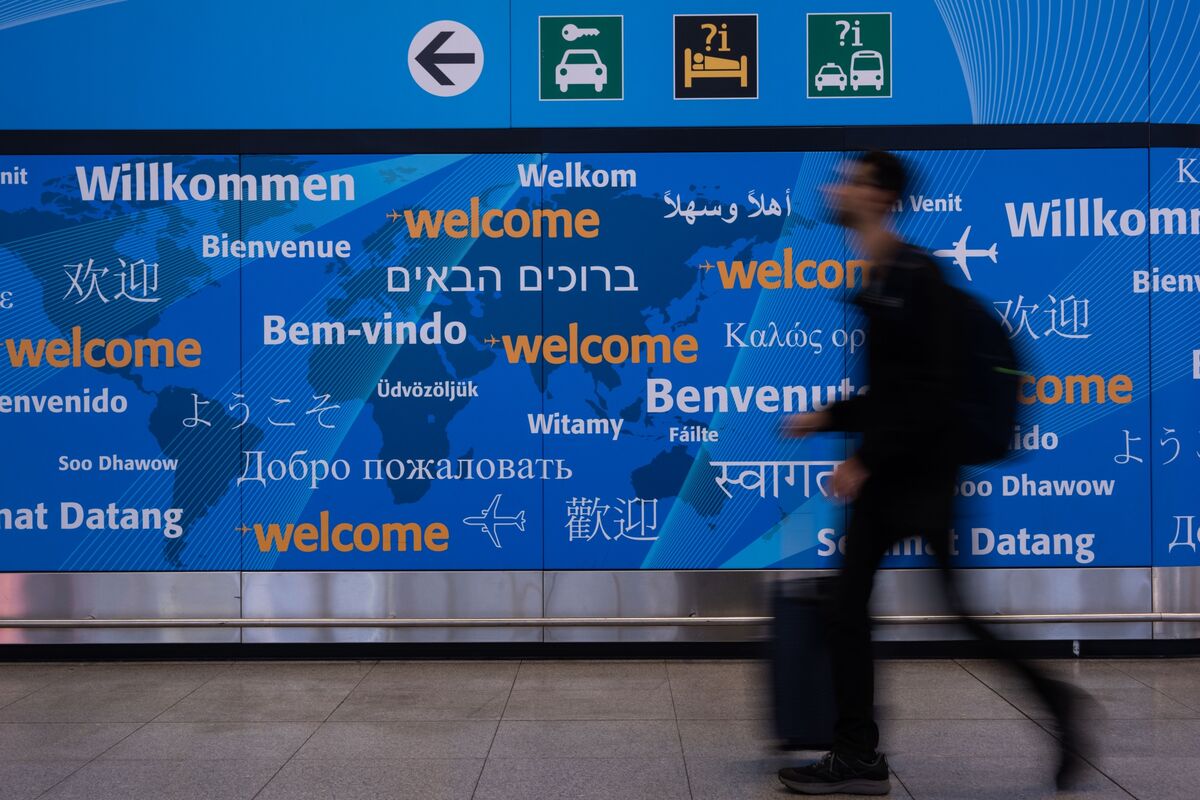
A resurrected and expanded travel ban, affecting 19 countries, has gone into effect in the U.S., blocking or partially restricting travel from nations including Afghanistan, Chad, and Cuba. This ban, framed as a measure to enhance national security and curb illegal immigration, is expected to cause disruption for U.S. residents with overseas connections, while its effectiveness in achieving its stated goals is being questioned.
The U.S. has implemented a new, expanded travel ban targeting 19 countries, including Afghanistan, Chad, Iran, and Venezuela, which is now active at national airports. This policy, a revival and broadening of a previous executive order, imposes complete travel blocks on twelve nations and partial restrictions on seven others, primarily from economically disadvantaged regions. The article argues that this measure is unlikely to enhance U.S. safety or significantly curb illegal immigration, but rather anticipates substantial disruptions for U.S. residents with familial or other connections in the affected countries. The associated "moderately negative" sentiment (-0.4) and "pessimistic" tone underscore concerns regarding the ban's efficacy and disruptive potential, while the low market impact score (0.25) suggests that, while specific sectors like travel and leisure may face headwinds, broader market dislocations are not immediately expected from this geopolitical and regulatory development.
AI-powered research, real-time alerts, and portfolio analytics for institutional investors.
Request DemoOverall Sentiment
moderately negative
Sentiment Score
-0.40
