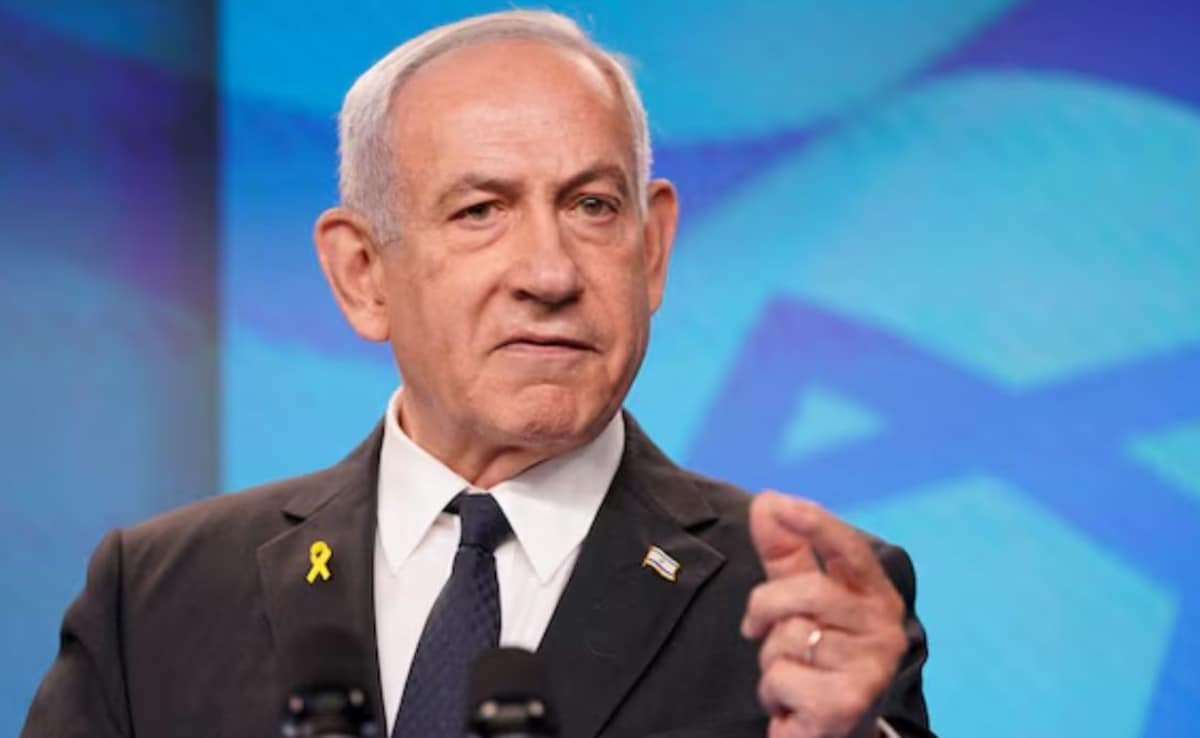
Prime Minister Benjamin Netanyahu said Gaza will be demilitarised and Hamas disarmed “the easy way or the hard way,” reiterating Israel’s categorical opposition to a Palestinian state west of the Jordan ahead of a UN Security Council vote on a resolution backing the US (Trump) 20-step peace plan that calls for Gaza demilitarisation and a reconstruction “Board of Peace.” His comments come amid pressure from far‑right coalition members (Bezalel Smotrich, Itamar Ben Gvir, Israel Katz, Gideon Saar) demanding firmer responses to recent Western recognitions of Palestinian statehood, and highlight the unresolved practical question of how Hamas would be disarmed. The report notes the first phase of a US‑backed ceasefire swap saw the release of the last 20 living Israeli hostages and the return of nearly all bodies of 28 dead captives in exchange for Israel freeing nearly 2,000 Palestinian prisoners and returning 330 bodies, underscoring persistent implementation and regional stability risks.
Prime Minister Benjamin Netanyahu reiterated that Hamas will be "disarmed" "the easy way or the hard way" and reaffirmed Israel's categorical opposition to a Palestinian state west of the Jordan River ahead of a UN Security Council vote on a resolution backing US President Donald Trump’s 20-step peace plan, which calls for Gaza demilitarisation and a post-war "Board of Peace" to manage reconstruction. The 20-step plan explicitly requires Hamas to disarm, but the article highlights a central implementation gap: Hamas has not accepted full demilitarisation, leaving a material question about how disarmament would be achieved.
Domestic politics increase the risk of a harder-line posture: far-right coalition figures Bezalel Smotrich, Itamar Ben Gvir, Defence Minister Israel Katz and Foreign Minister Gideon Saar publicly pressured for firmer responses to Western recognitions of Palestinian statehood, constraining diplomatic flexibility and raising the likelihood of policy-driven escalation. Netanyahu’s statements and cabinet dynamics suggest limited room for compromise in the short term.
Operationally, the first phase of the US-backed ceasefire saw the release of the last 20 living Israeli hostages and the return of nearly all of 28 deceased captives in exchange for Israel freeing nearly 2,000 Palestinian prisoners and returning 330 bodies; these numbers underline fragile implementation and lingering reconciliation risks. The provided signals show strongly negative sentiment and a market impact score of 0.6, indicating elevated near-term geopolitical risk and potential volatility, with implications for defense, reconstruction and regional trade flows.
AI-powered research, real-time alerts, and portfolio analytics for institutional investors.
Request DemoOverall Sentiment
strongly negative
Sentiment Score
-0.70
Ticker Sentiment
