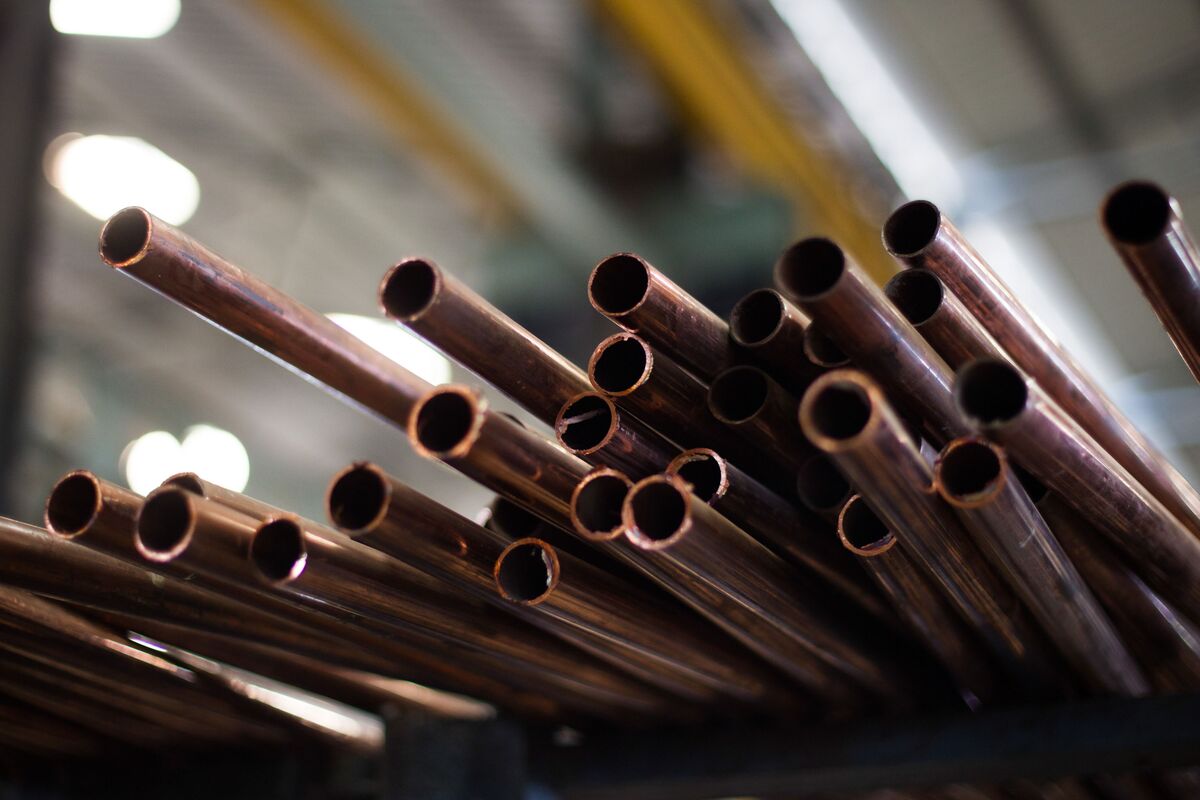
India has formally challenged the United States at the World Trade Organization over 50% tariffs on semi-finished copper imports, arguing the Trump administration's August 1 levies, imposed citing national security, constitute trade restrictions detrimental to Indian exporters. This action underscores persistent global trade tensions and the contentious use of national security as a basis for protectionist measures.
India has formally initiated a dispute at the World Trade Organization (WTO) challenging a 50% tariff imposed by the United States on a range of semi-finished copper products, including pipes, wires, and sheets. The tariff, which took effect on August 1 under the Trump administration, was justified by the U.S. on national security grounds. India contends that the levy is a restrictive trade practice detrimental to its exporters, escalating trade friction between the two countries. This development highlights the continued use of national security as a rationale for protectionist measures, a contentious issue in global trade policy. The dispute specifically targets the downstream copper fabrication sector, and its outcome could influence future trade dynamics for industrial commodities. The moderately negative sentiment associated with this news, combined with a contained market impact score, suggests that while this is a significant headwind for the affected sub-sector, it is not currently viewed as a systemic risk to the broader commodities market.
AI-powered research, real-time alerts, and portfolio analytics for institutional investors.
Request DemoOverall Sentiment
moderately negative
Sentiment Score
-0.45
