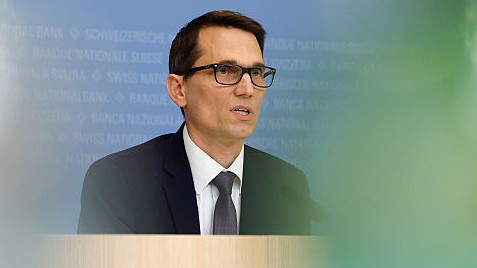
Swiss National Bank official Schlegel has stated that the economic impact of US tariffs is anticipated to be "limited," suggesting that the central bank perceives a contained risk from these trade measures.
A statement from Swiss National Bank (SNB) official Schlegel indicates that the central bank perceives the economic impact from US tariffs as 'limited.' This assessment is significant as it suggests the SNB is not anticipating a material shock to the Swiss economy from current trade protectionist measures, thereby reducing the likelihood of a near-term, reactive monetary policy adjustment. By downplaying this external risk, the SNB signals a degree of confidence in the resilience of the Swiss economy, implying that its policy decisions will likely remain tethered to core domestic data such as inflation and growth rather than being dictated by this specific trade development. The stable tone and mildly positive sentiment associated with this news reflect a market view that a potentially significant tail risk is currently considered contained by policymakers.
AI-powered research, real-time alerts, and portfolio analytics for institutional investors.
Request DemoOverall Sentiment
mildly positive
Sentiment Score
0.20
