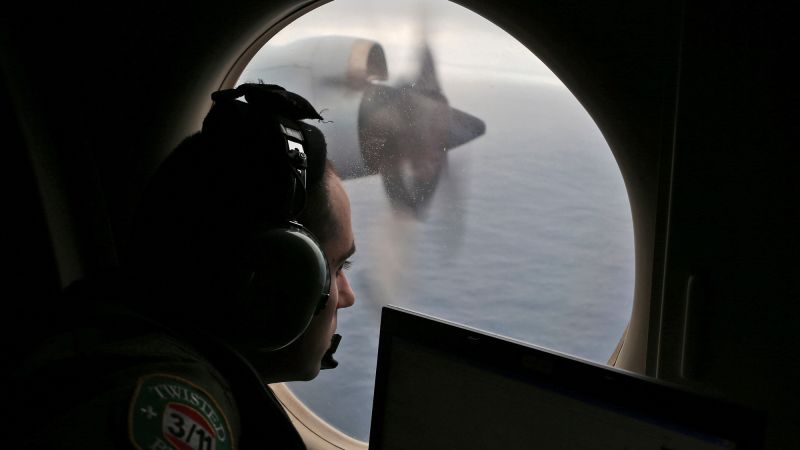
Malaysia has contracted Texas-based marine robotics firm Ocean Infinity to resume a deep-sea search for Malaysia Airlines Flight 370 beginning Dec. 30, conducting intermittent operations for a total of 55 days in targeted high-probability areas. The company, which previously searched in 2018 and restarted operations this year over a new 15,000 sq km Indian Ocean site before weather halted efforts in April, is operating under a March “no-find, no-fee” deal that pays $70 million only if wreckage is discovered. The move underscores Malaysia’s continued push for closure for families while leaving significant uncertainty about new evidence or near-term prospects for locating the Boeing 777 that vanished in March 2014 with 239 people aboard.
Market structure: The restart validates a commercial market for high-end seabed survey and AUV services and benefits specialist vendors (AUV/sonar makers, marine robotics operators, subsea data integrators) while having negligible direct impact on airlines or Boeing’s near-term cash flows. Expect concentrated pricing power for operators with capable fleets—scarcity of proven deep-ocean assets implies day-rates and contract premiums could rise 10–30% if follow‑on work is awarded over 12–24 months. Cross-asset: limited macro effect, but small repricing in related equities (TDY, Kongsberg, Fugro) and niche insurance/LIABILITY markets if find triggers claims or salvage operations.
Risk assessment: Tail risks include a confirmed wreckage that spurs litigation/regulatory scrutiny of Boeing (medium-probability over 12–36 months) or an operational accident causing reputational/insurance losses for the contractor (low-probability immediate). Short-term (days–weeks) the story is a newsflow event; medium-term (months) tech validation could drive orders; long-term (years) incremental industry demand for seabed mapping could raise capex in subsea tech by a discrete step. Hidden dependencies: weather windows, seabed topography, and identification/ownership/legal frameworks will govern whether a find converts to commercial revenue.
trade implications: Direct equity plays: long specialist subsea/sonar names and selective defense contractors; hedge Boeing tail exposure with modest options on BA. Use event timing—enter initial exposure within 7–14 days of Dec 30 start, size positions to 1–3% of portfolio, and use 12–24 month horizons for stock positions or 3–9 month option structures to capture re-rating. Catalysts to watch: debris confirmation, salvage permits, official Malaysian/Chinese statements—any positive find within the 55‑day op window likely triggers 20–40% repricing for prime suppliers.
contrarian perspective: Markets may overstate the commercial upside of a discovery—the most likely outcome remains no large wreckage found, so a lot of subsea expectations are binary and ticketed to PR more than recurring revenue. Buying expensive single-name exposure before proof risks a 25–50% drawdown; conversely, a small discovery could force under-owned defense/subsea names higher quickly. Historical parallels (Titanic, previous MH370 searches) show limited sustained equity impact absent follow-on contract awards or scalable tech adoption.
AI-powered research, real-time alerts, and portfolio analytics for institutional investors.
Request DemoOverall Sentiment
neutral
Sentiment Score
0.00
Ticker Sentiment
