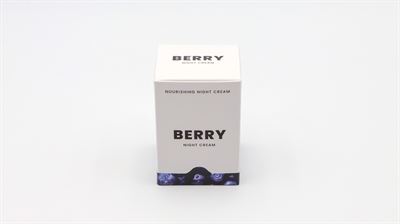
Stora Enso launched Performa Lumi, a new lightweight GC1 folding boxboard produced on its BM6 line in Oulu, Finland, targeting beauty, personal care and healthcare packaging with grammages of 205–310 gsm and FiberLight Tec™ technology to enable strong but lighter board structures. The board offers high whiteness, good printability, direct food-contact suitability and is positioned to improve material efficiency and support circular/renewable packaging strategies; Stora Enso reported Group sales of EUR 9 billion in 2024. The announcement is product- and sustainability-focused and likely modestly positive for brand differentiation and long-term margin/volume potential but is unlikely to move markets near-term.
Market structure: Stora Enso (STE A/STE R, ADR SEOAY) is the primary beneficiary — Performa Lumi leverages new BM6 capacity and FiberLight Tec to enable 5–15% material light‑weighting per pack, improving yield and potentially raising mix‑adjusted margins if adopted at scale. Brand owners in beauty/personal care gain a single‑SKU solution reducing SKU complexity; low‑end uncoated and low‑service recycled board suppliers face price and share pressure. Pricing power shifts are likely marginal initially (0–2% sector price effect) but could compress mid‑tier spreads over 12–24 months as lightweight premium boards scale.
Risk assessment: Tail risks include a BM6 operational outage (single‑line risk), a >40% pulp price spike or energy shock that reverses lightweighting benefits, and a regulatory reversal on food‑contact approvals. Immediate (days) impact is likely immaterial; short‑term (weeks/months) depends on conversion trials and first order wins; long‑term (quarters/years) affects capacity utilisation and margins. Hidden dependencies: CTMP/pulp supply, coating chemical availability and freight; customer adoption lags (6–18 months) are the key timing risk. Catalysts: major CPG wins, published utilisation rates, or quarterly product revenue breakdowns.
Trade implications: Tactical long Stora Enso exposure is warranted but size should be small (2–3% net long) given adoption risk; enter on ≤5% pullback or post confirmed multi‑brand orders within 90 days. Relative value: consider a 1:1 long STE A vs short MNDI (MNDI.L) or SMDS.L for 3–6 months to play execution and forest‑asset advantage; use a relative stop at 8% adverse divergence. Options: a 6‑month call spread on STE A (buy ~12% OTM / sell ~30% OTM) sized ≤1% portfolio to cap downside while capturing adoption upside.
Contrarian angles: Markets may under‑price the time lag from launch to volume (consensus expects immediate share gains); conversely the reaction could be overdone if investors extrapolate niche product success. Historical analogue: incremental launches (e.g., Performa Nova) drove modest share gains realized over 12–24 months, not instant EPS lifts. Unintended consequence: sustained lightweighting industrywide could trim pulp demand growth by low‑single digit % annually, pressuring pulp‑centric names over years.
AI-powered research, real-time alerts, and portfolio analytics for institutional investors.
Request DemoOverall Sentiment
mildly positive
Sentiment Score
0.32
