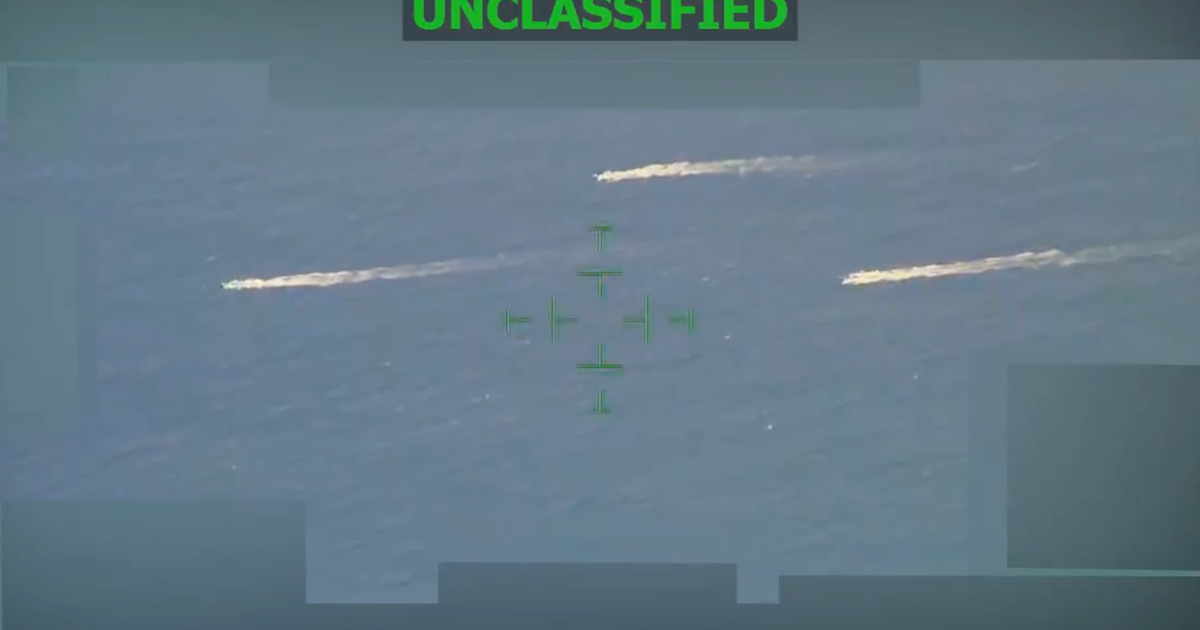
The U.S. Coast Guard suspended a roughly 65-hour search covering more than 1,090 nautical miles for people who jumped from two suspected drug-smuggling boats after a U.S. military strike about 400 nautical miles off the Mexico–Guatemala border; no survivors or debris were found. The operation was one of at least 35 boat strikes the U.S. military conducted in the Caribbean and Eastern Pacific between Sept. 2 and Dec. 31, which the administration says has killed at least 115 people and drawn scrutiny from lawmakers and regional governments amid a broader campaign pressuring Venezuela and targeting maritime drug trafficking.
Market structure: Near-term beneficiaries are defense and maritime surveillance suppliers — think Lockheed Martin (LMT), Northrop Grumman (NOC), Raytheon/RTX (RTX), L3Harris (LHX), Leidos (LDOS) and satellite imagery Maxar (MAXR) — as incremental strike tempo supports demand for ISR, precision munitions and maritime C2 over 3–12 months. Insurers, shipowners and regional trade flows are losers: expect localized marine insurance rates to rise 5–15% in the Eastern Pacific/Caribbean lanes and freight risk premia to be re-priced if strikes continue. FX/commodities: a credible escalation with Venezuela risks Brent widening +$2–$6/bbl in 1–3 months; otherwise expect small safe-haven USD strength and widening COL/MXN sovereign spreads by 20–50bp on headline shock.
Risk assessment: Tail risks include escalation into Venezuelan air/sea response or cartel retaliation causing energy-supply shocks (+$5–$10/bbl) within 1–6 months, and U.S. Congressional/legal intervention halting strikes and creating reputational/contracting risk for primes. Immediate (days): headline-driven risk-off; short-term (weeks–months): defense/ISR equities bid; long-term (quarters): procurement cycles and budget approvals determine revenue realization. Hidden dependencies: maritime insurance repricing can shift shipping routes and commodity logistics costs; contractor bookings depend on DoD/Coast Guard formal tasking and congressional appropriations, not just operations.
Trade implications: Tactical trades — establish modest, option-levered exposure to defense/ISR and hedges against LATAM stress. Size positions small (1–2% portfolio): long LMT and NOC equities (1% each) with 6–12 month targets +12–18% and hard stop -8%; buy 3–6 month call spreads on LHX or RTX sized 0.5% to cap cost. Hedging: buy 3-month USD/MXN calls or short EWW (iShares MSCI Mexico) 1% if USD/MXN moves >2% or MXN weakens; add 0.5–1% long MAXR/LDOS for imagery/ISR upside.
Contrarian angles: The market may over-price a sustained defense boom — congressional scrutiny within 30–90 days and budgetary limits can cap upside, so prefer option strategies to outright longs. Historical parallels (prior anti-narcotics surges) show 1–3 month equity spikes followed by mean reversion; worst-case legal/regulatory hits could trim contractor EV by 10–20% if prosecutions/contract freezes occur. Action: keep positions small, use defined-loss instruments, and prepare to flip to short-defense exposure if congressional action or budget signals within 60–120 days reduce contracting visibility.
AI-powered research, real-time alerts, and portfolio analytics for institutional investors.
Request DemoOverall Sentiment
neutral
Sentiment Score
-0.15
