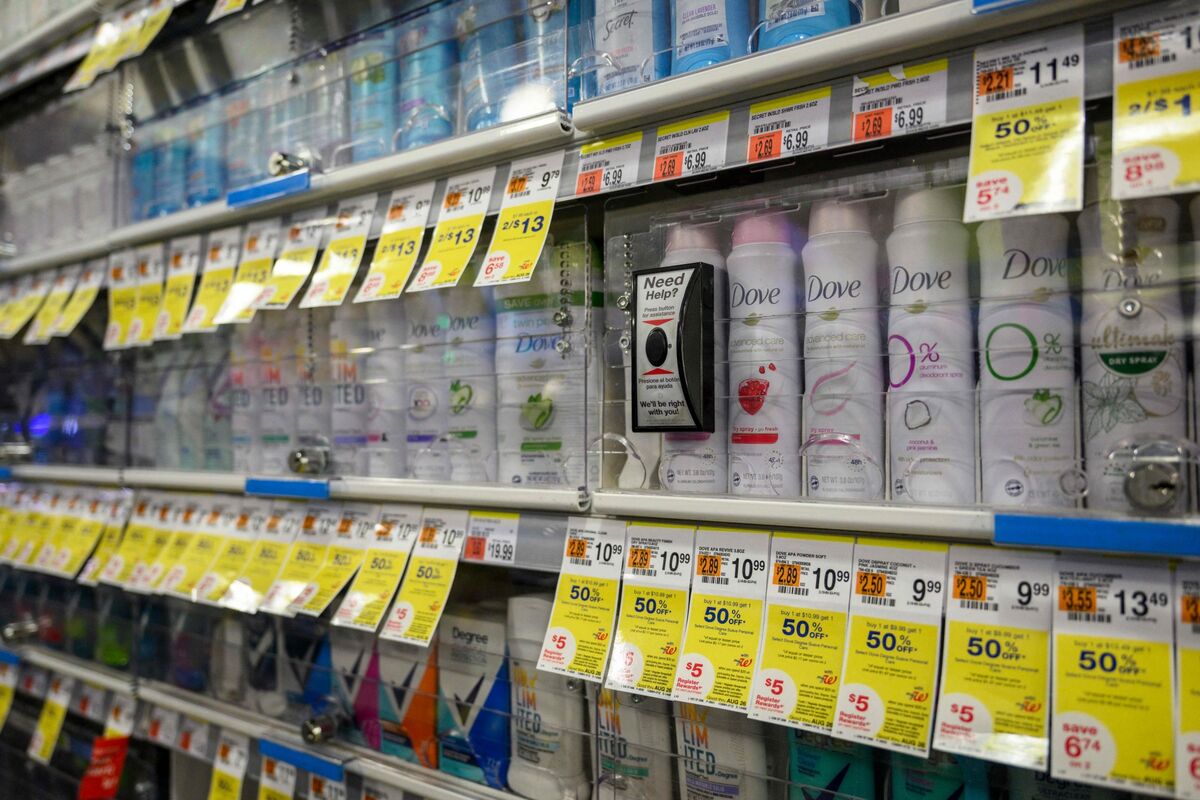
Major retailers including CVS, Walgreens, and Target are re-evaluating their strategy of locking up essential items, initially implemented as an anti-theft measure. This reconsideration stems from a lack of evidence that the practice has effectively reduced theft, signaling potential shifts in retail loss prevention and customer experience strategies.
Major retailers, including CVS, Walgreens, and Target, are actively reconsidering their in-store strategy of securing merchandise behind locked plexiglass displays. This re-evaluation stems from a critical finding that the practice, originally implemented as a loss-prevention measure, has shown little evidence of effectively curbing theft. The situation highlights a potential strategic miscalculation by management, where capital and operational resources were deployed on an initiative with a questionable return on investment. The mildly negative sentiment across these tickers (CVS, WBA, TGT at -0.15) reflects the market's concern over this failed strategy and the persistent underlying issue of retail shrink. This development calls into question the companies' current approach to balancing asset protection with customer experience, which can be significantly hampered by such restrictive measures, potentially impacting sales volumes and shopper loyalty.
AI-powered research, real-time alerts, and portfolio analytics for institutional investors.
Request DemoOverall Sentiment
mildly negative
Sentiment Score
-0.35
Ticker Sentiment
