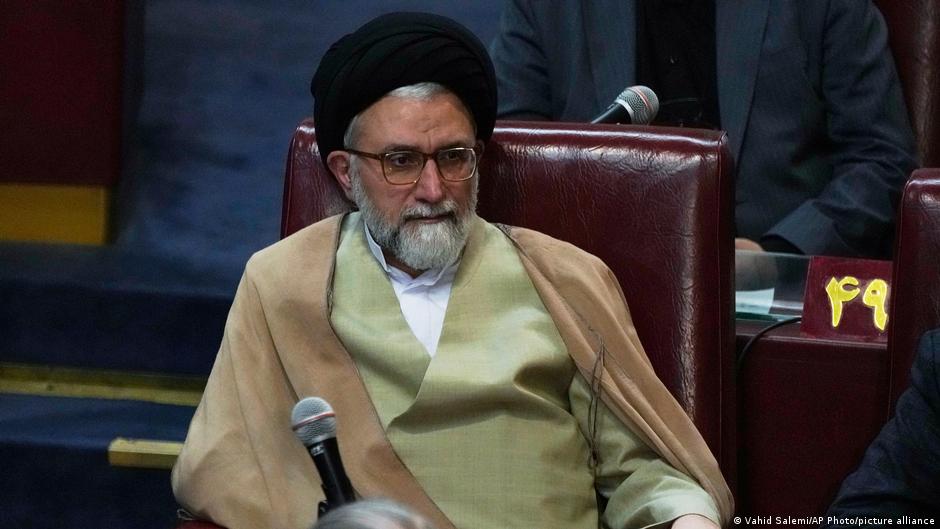
Iran's Intelligence Minister Esmaeil Khatib was confirmed killed in an Israeli airstrike; Iran responded by launching multi‑warhead missiles at Israel and the US reported using 'bunker-buster' bombs against Iranian missile sites along the Strait of Hormuz. Israeli strikes killed at least 12 people in Beirut and at least two in central Israel, while facilities linked to the South Pars/Asaluyeh gas field were attacked, raising the prospect of energy infrastructure disruption. NATO and regional states are discussing reopening and securing the Strait of Hormuz, implying heightened risk of shipping bottlenecks and elevated oil/gas price volatility; expect a risk‑off market response with potential repricing in energy, shipping and defense sectors.
The escalation has created a meaningful, supply-risk premium in hydrocarbon and LNG markets that is currently being priced for persistence rather than transience. A sustained 10–15% risk premium on seaborne crude flows translates into roughly a $5–$15/bbl implied shock to Brent if chokepoint frictions last beyond 30–90 days; LNG spare capacity is much tighter, so a comparable interruption would push near-term TTF/Henry spreads materially wider and keep European storages under stress into the coming northern‑hemisphere winter. Trade‑flow mechanics will bite corporates before end‑users: longer voyage routing (east‑west detours adding ~8–12 days) and war‑risk surcharges increase unit voyage costs by mid‑single to low‑double digit percentages for tankers and container lines, which feeds into producer prices for autos, electronics and chemicals after a 4–10 week lag. Shipping insurers and P&I clubs will reprice exposures quickly; expect insurance premiums to behave like a tax on trade volumes that disproportionately punishes thin‑margin, time‑sensitive supply chains. The defense procurement cycle is the clearest durable market signal — capital flows toward air‑defense, ISR and precision‑munitions supply chains with order backlogs likely to boost prime‑player revenues by a modest but visible 5–15% over 12–24 months. The path to mean reversion is also identifiable: a credible multilateral diplomatic mechanism, coordinated strategic petroleum releases and a rapid ramp of US shale and Qatari LNG into global markets can compress the premium within 30–90 days; absent those, elevated volatility and risk‑off flows will persist for quarters.
AI-powered research, real-time alerts, and portfolio analytics for institutional investors.
Overall Sentiment
extremely negative
Sentiment Score
-0.95
