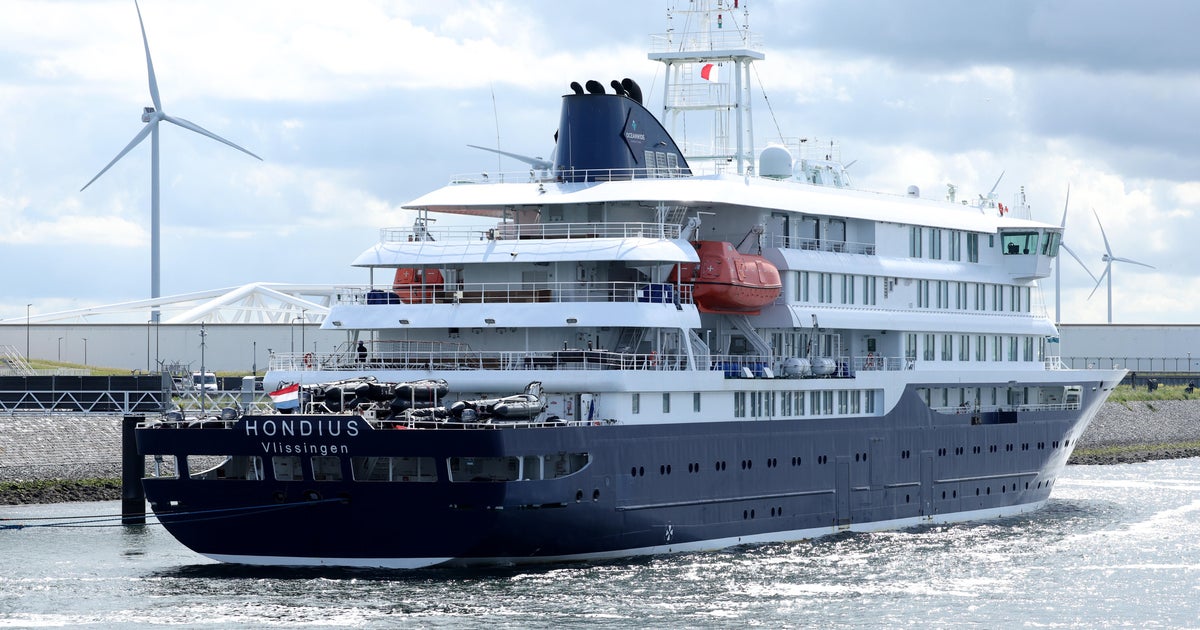
The MV Hondius arrived in Rotterdam for disinfection after a deadly hantavirus outbreak that killed 3 passengers and has reached at least 11 cases, including 9 confirmed. Crew members are entering immediate quarantine, and the ship will be decontaminated under Dutch public health guidelines before it can sail again. The incident is the first known cruise-ship hantavirus outbreak and may pressure the operator's near-term operations, though broader market impact should be limited.
This is a reputational and operating-risk event for the cruise complex, but the bigger second-order effect is around underwriting and protocol costs rather than near-term demand destruction. A single high-profile outbreak on an expedition vessel tightens scrutiny across the entire small-ship/adventure cruise niche, where itineraries are harder to sanitize and medical evacuation economics are worse than on mass-market ships. That pushes insurers, port authorities, and charterers toward stricter exclusions and higher premia, which can compress margins for operators with exposure to remote destinations.
The market is likely to overgeneralize the incident into all cruise demand, but the revenue hit should be concentrated in the highest-yield, most niche itineraries and in shoulder-season bookings where travelers are most sensitive to headline risk. The more important transmission channel is to future bookings in Antarctica, Arctic, and expedition segments, where operators depend on advance deposits and premium pricing; even a low absolute cancellation rate can matter because those voyages carry outsized contribution margins. Suppliers tied to expedition cruising—specialty marine services, logistics, and travel agents focused on premium adventure travel—face a near-term booking pause even if broad leisure travel demand is unaffected.
The health overhang should fade in days if no new cases emerge, but the incubation period creates a lingering tail risk over several weeks, especially for repatriated passengers and crew. That makes this a slow-burn headline risk rather than an immediate systemic event: the next catalyst is any new confirmed case from the exposed cohort, which would extend media coverage and force more operational restrictions. Absent that, the opportunity is to fade the overreaction in broad travel while staying cautious on the expedition-cruise subsegment.
The contrarian view is that the event may be less bearish for the cruise industry than the narrative suggests because it reinforces the value of larger, better-equipped vessels with stronger onboard medical and sanitation infrastructure. If travelers migrate from boutique expedition operators toward mainstream cruise lines, the incident could actually improve relative share for the majors over the next booking cycle. That makes this more of a relative-value trade than a sector-wide short.
AI-powered research, real-time alerts, and portfolio analytics for institutional investors.
Request DemoOverall Sentiment
strongly negative
Sentiment Score
-0.60
