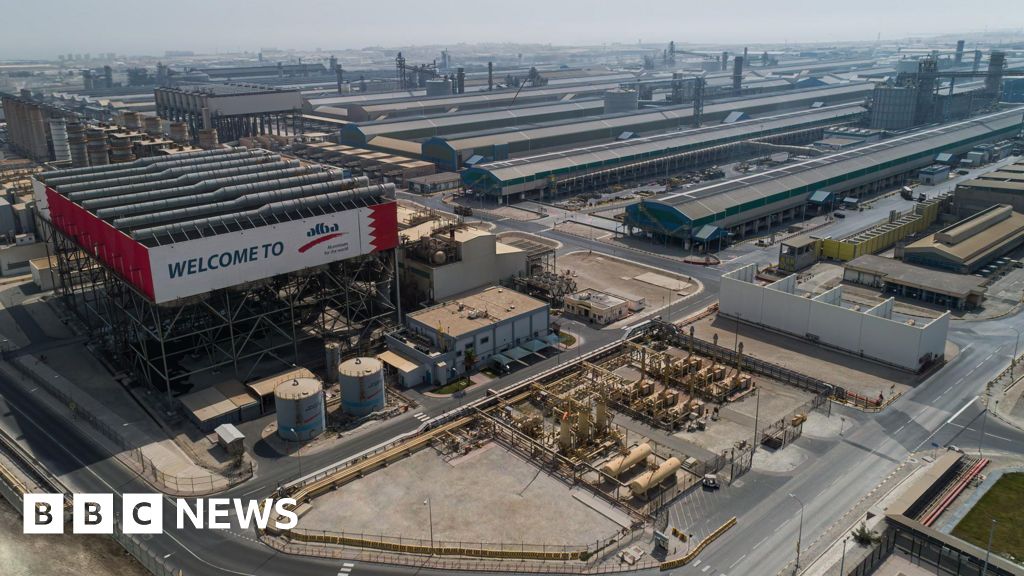
Strait of Hormuz has been effectively shut as the conflict between Iran and US/Israel enters its fifth week, triggering spikes in oil and gas prices and raising the risk of broader energy-market disruption. Iranian IRGC drone/missile strikes damaged major aluminium smelters in the UAE (Emirates Global Aluminium) and Bahrain (Aluminium Bahrain), causing injuries and significant infrastructure damage; Kuwait reported airport radar damage and Oman a drone hit at Salalah port. Yemen's Houthi launches toward Israel and threats to Red Sea shipping increase the probability of further commodity and logistics shocks, warranting defensive positioning for energy and transportation-exposed assets.
Markets should treat the current Gulf escalation as a multi-channel supply shock rather than a one-off risk premium: shipping chokepoints raise physical delivery costs immediately (days–weeks) while industrial capacity hits (smelters, power infrastructure) feed through to commodity tightness over months. Historically, a ~1 mb/d effective flow impairment has translated into a $5–$12/bbl premium; if shipping disruption persists for 4–12 weeks, expect sustained Brent volatility and wider refining spreads as arbitrage becomes costlier.
Aluminium markets present a concentrated, high-leverage channel: primary smelter outages in the Gulf tighten regional availability quickly, forcing buyers to source higher-cost ingot or recycled aluminium and widening LME premiums by single-digit to low-double-digit percent within weeks. That dynamic benefits non-Gulf primary producers and recyclers, but it also raises input inflation for auto and aerospace OEMs with a 2–6 month lag, compressing their EBITDA margins and pressuring inventory-heavy suppliers.
Defense, logistics and insurance are second-order beneficiaries of persistent insecurity. Expect near-term upside to defense backlog and MRO demand in the Gulf over 3–18 months, higher marine insurance and charter rates (benefitting owners/operators of tankers and bulkers) over weeks, and reinsurance rate hardening that can pressure commercial underwriters’ P&Ls next quarter. Conversely, EM sovereign credit of small Gulf states will likely compress only if diplomatic/financial backstops are deployed; absent that, risk premia in local FX and bonds should widen.
Catalysts to watch: successful diplomatic corridor/escort operations or a negotiated local ceasefire could wipe out much of the oil/insurance premium within 2–6 weeks; conversely, Houthi escalation against shipping or an expanded Iranian campaign would push volatility and insurance costs materially higher for months. Consensus underprices the speed with which aluminium and specialty metal tightness can feed into industrial margins; that asymmetry is where concentrated, short-duration trades can generate convex returns.
AI-powered research, real-time alerts, and portfolio analytics for institutional investors.
Request DemoOverall Sentiment
strongly negative
Sentiment Score
-0.75
