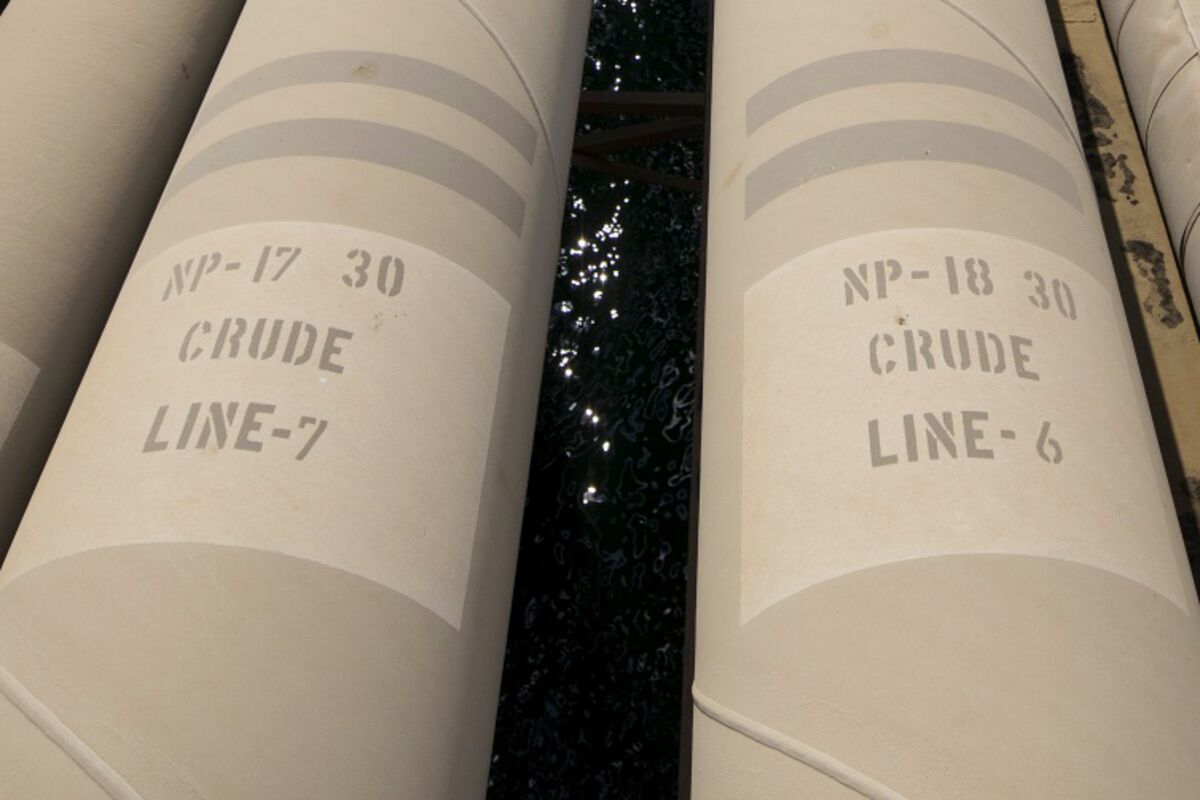
Anaconda Invest SA has generated a 39% gain year to date by staying long oil stocks despite signals from the White House that a ceasefire in the Iran war may be near. The hedge fund’s return has outpaced the S&P Global Oil Index, which is up 31% this year. The article highlights a constructive stance on energy tied to chronic undersupply and sustained demand.
The market is still underpricing how much geopolitics can distort entry points in energy. If positioning is being driven by headline-driven de-escalation expectations, the cleaner trade is to separate tactical oil-beta from structural supply tightness: the former can mean-revert in days, while the latter can persist for multiple quarters if capital discipline and project lead times keep non-OPEC supply elasticities low. That creates a favorable setup for upstream equities with low breakevens and high buyback capacity, because even modest commodity strength can translate into outsized equity convexity. The second-order winner is not just producers, but balance-sheet repair and capital return acceleration across the energy stack. Midstream and services can lag in the first leg of a rally but tend to benefit if the market starts discounting a longer-duration capex cycle; meanwhile, refiners are the most vulnerable to a sudden ceasefire-driven pullback because their margins can compress faster than upstream cash flows. If the market is leaning into the idea of an imminent geopolitical resolution, that sets up a sharp positioning squeeze if the conflict premium stays embedded for another 1-3 months. The key risk is that the trade is currently more about narrative than barrels, so the reversal catalyst is political rather than fundamental. A real de-escalation, a demand scare from macro weakness, or a surprise supply response from sanctioned producers would hit the high-beta names first and could unwind momentum quickly. The more interesting contrarian angle is that a lot of investors assume energy is a tactical inflation hedge, but the better long is actually a cash-return compounder that can survive a 20-30% pullback in crude without breaking the dividend or repurchase story.
AI-powered research, real-time alerts, and portfolio analytics for institutional investors.
Overall Sentiment
moderately positive
Sentiment Score
0.55
