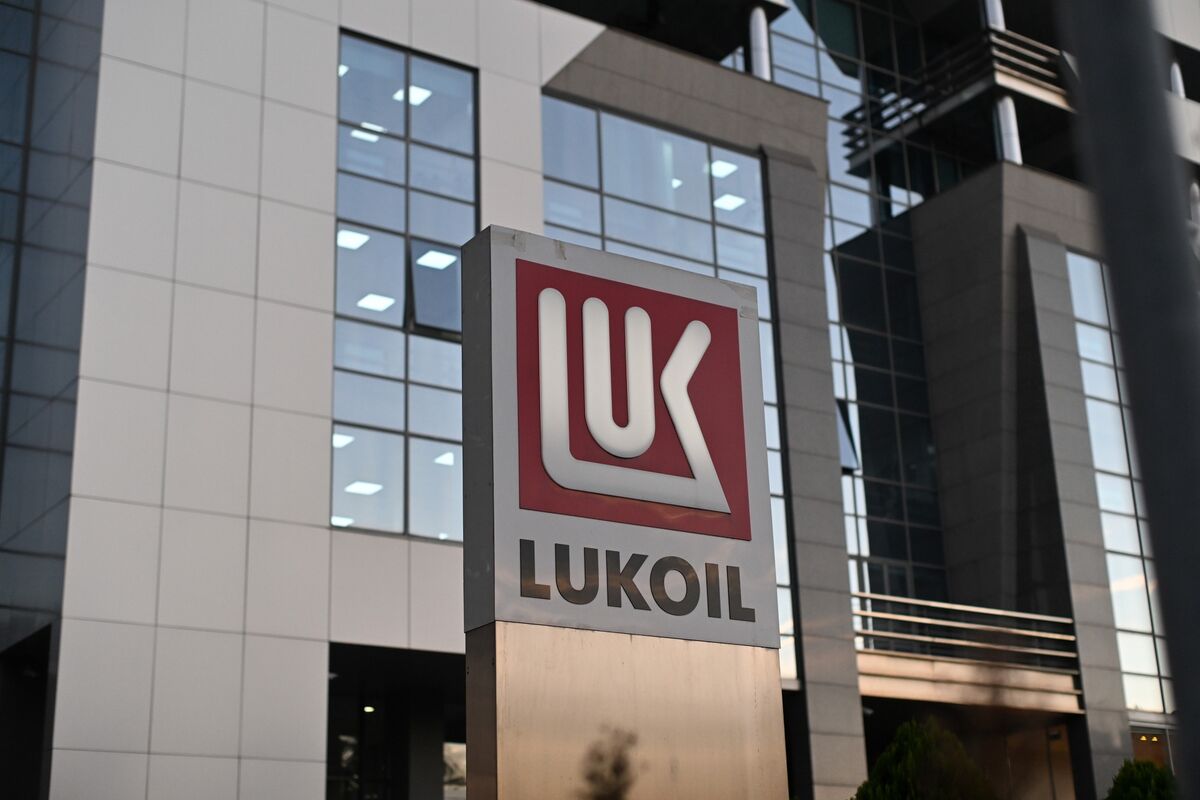
Russian energy giant Lukoil PJSC is in discussions with potential buyers for its international energy assets ahead of impending U.S. sanctions. The company aims to facilitate a smooth transfer to new owners to prevent disruptions in operations and energy supply, while also preserving jobs.
Lukoil PJSC is actively negotiating the sale of its international energy assets, a direct response to impending U.S. sanctions. This strategic divestiture aims to ensure uninterrupted operations and a smooth transfer to new owners, mitigating potential disruptions to energy supply chains. The company's defensive stance highlights the immediate impact of geopolitical pressures on Russian-affiliated global businesses.
Lukoil's stated objective is to "avoid the risks of disruptions in the work and supply of energy resources" and to "save jobs." This proactive measure seeks to insulate non-Russian operations from sanction enforcement, emphasizing business continuity and stability. The moderately negative sentiment surrounding this development reflects the challenging operating environment.
This situation signals potential M&A activity in the energy sector, driven by geopolitical necessity. Investors should recognize the precedent set by Lukoil's move, which underscores the escalating risks for entities with ties to sanctioned regions. The successful execution of these sales is critical for maintaining global energy supply stability.
AI-powered research, real-time alerts, and portfolio analytics for institutional investors.
Request DemoOverall Sentiment
moderately negative
Sentiment Score
-0.50
