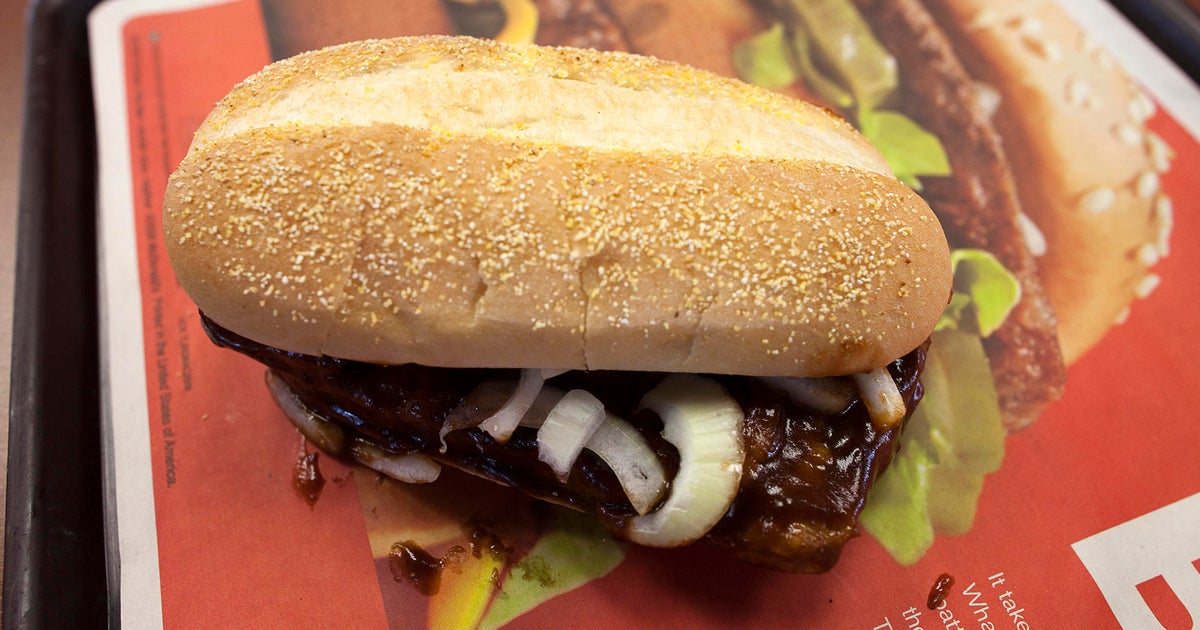
A class-action lawsuit filed Dec. 23 in U.S. District Court in Chicago accuses McDonald's of deceptive marketing for its McRib sandwich, alleging the product contains no actual pork rib meat and is instead a restructured lower-grade pork product; plaintiffs seek injunctive relief and damages and claim the name and rib-like patty shape mislead consumers. McDonald's refutes the claims, asserting the McRib is made from 100% seasoned boneless pork and denies use of organs cited in the complaint; the suit highlights reputational and potential liability risks but, absent material exposure figures, is unlikely on its own to meaningfully alter near-term fundamentals. Hedge funds should monitor litigation developments, any regulatory scrutiny, and potential changes to marketing or menu pricing that could affect demand for a limited-time, higher-priced menu item that was rolled out nationwide in 2020.
Market structure: This lawsuit is a reputational/legal idiosyncratic shock primarily to MCD (ticker: MCD), not the QSR industry—expect limited revenue risk because McRib is a recurring limited-time offer (LTO) that likely accounts for <1% of U.S. system sales per year. Direct winners: competitors who can credibly claim premium real-rib products in marketing niches; losers: McDonald's brand equity near-term and any marketing-driven LTO revenue streams. Pricing power across menu is unlikely to move materially absent an injunction or large damages award.
Risk assessment: Tail risks include class certification with statutory damages or an injunction barring McRib marketing/shape (low probability, high impact). Time horizons: immediate (days) — modest IV and share volatility; short-term (weeks–months) — legal discovery/certification could widen spreads and raise G&A by tens of millions; long-term (quarters–years) — unlikely balance-sheet hit unless precedent encourages broader deception suits. Hidden dependency: LTO-driven traffic and marketing halo; second-order risk is that repeatable LTO cadence (a marketing lever) could be constrained.
Trade implications: Base case trades are tactical and sizing-sensitive: hedge or buy on modest dips; aggressive positions only if legal milestones (class cert/injunction) occur. Options: implied vol will spike on adverse filings—buy protection or structured spreads to cap cost. Cross-asset: negligible impact to commodities (pork futures), small upward pressure on MCD credit spreads if litigation escalates.
Contrarian angle: Consensus treats this as nuisance litigation; that understates the strategic value of McDonald's LTO program. If McD holds factual clarity (ingredient transparency statements) and case is dismissed within 90 days, expect a 3–6% rebound as volatility collapses — short-term buying opportunities for patient 6–12 month holders.
AI-powered research, real-time alerts, and portfolio analytics for institutional investors.
Request DemoOverall Sentiment
mildly negative
Sentiment Score
-0.25
Ticker Sentiment
