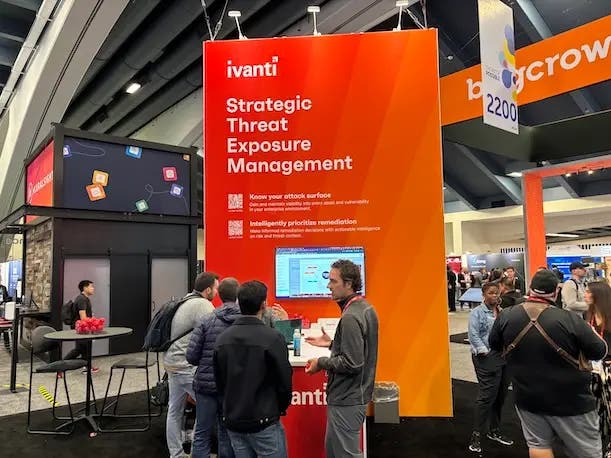
Ivanti disclosed two critical code-injection vulnerabilities (CVE-2026-1281 and CVE-2026-1340) in its Endpoint Manager Mobile product with CVSS scores of 9.8, and said they have been exploited against a very limited number of customers; patches are available and reportedly do not require downtime. CISA confirmed exploitation of at least CVE-2026-1281 and ordered federal agencies to apply patches by Feb. 1, raising regulatory and reputational risk for Ivanti and prompting priority remediation across affected organizations. Monitor for follow-on exploit activity, potential federal contract impacts or compliance costs, and any broader customer attrition that could affect revenue or support margin.
Market structure: The Ivanti MDM code‑injection exploit creates a near‑term procurement shock for patching, EDR/EDR‑plus, incident response and managed services. Large vendors with federal ties and broad endpoint portfolios (Palo Alto PANW, CrowdStrike CRWD, Microsoft MSFT) gain pricing power as agencies accelerate spend to meet CISA Feb 1 orders; expect a 5–15% demand spike in professional services/ARR for affected categories over the next 1–3 months. Smaller niche MDM vendors risk churn and pricing pressure as buyers prefer one‑stop vendors to reduce patching surface area.
Risk assessment: Tail scenarios include a material, widespread exploit wave causing multi‑week outages, class actions, or a federal procurement shift away from certain vendors—each could cut vendor ARR growth by >10% for a quarter and spike cybersecurity sector IV by 30–60%. Immediate risk window is days–weeks (patch rush, incident response), with medium (3–6 months) risk for contract re‑wins and long term (≥12 months) for market share realignment. Hidden dependency: many enterprises’ migration costs create stickiness but also a one‑time CAPEX hit that can depress vendor net retention short term.
Trade implications: Favor large, cash‑flowing cybersecurity and federal integrators: tactical long exposure to PANW and CRWD for 3–9 months; use options to lever upside while capping drawdown. Implement dollar‑neutral pair trades to express endpoint preference over cloud SWG names, and rotate 3–5% portfolio weight from cyclical HW/semis into security names now; scale out if a name rallies >20% or if CISA reports exploit counts fall to zero within 30 days.
AI-powered research, real-time alerts, and portfolio analytics for institutional investors.
Request DemoOverall Sentiment
mildly negative
Sentiment Score
-0.25
Contrarian angles: Consensus may underprice two outcomes: (1) rapid consolidation that benefits incumbents and pushes valuations higher for a sustained 12–24 months, and (2) the opposite—if patching is effective, the demand spike is a one‑quarter event (Log4j analogue) and small‑cap security names will mean‑revert. Historical parallel: Log4j produced a 2–4 month security spend surge then normalized; hedge sizing and clear sell triggers are essential to avoid crowding.
