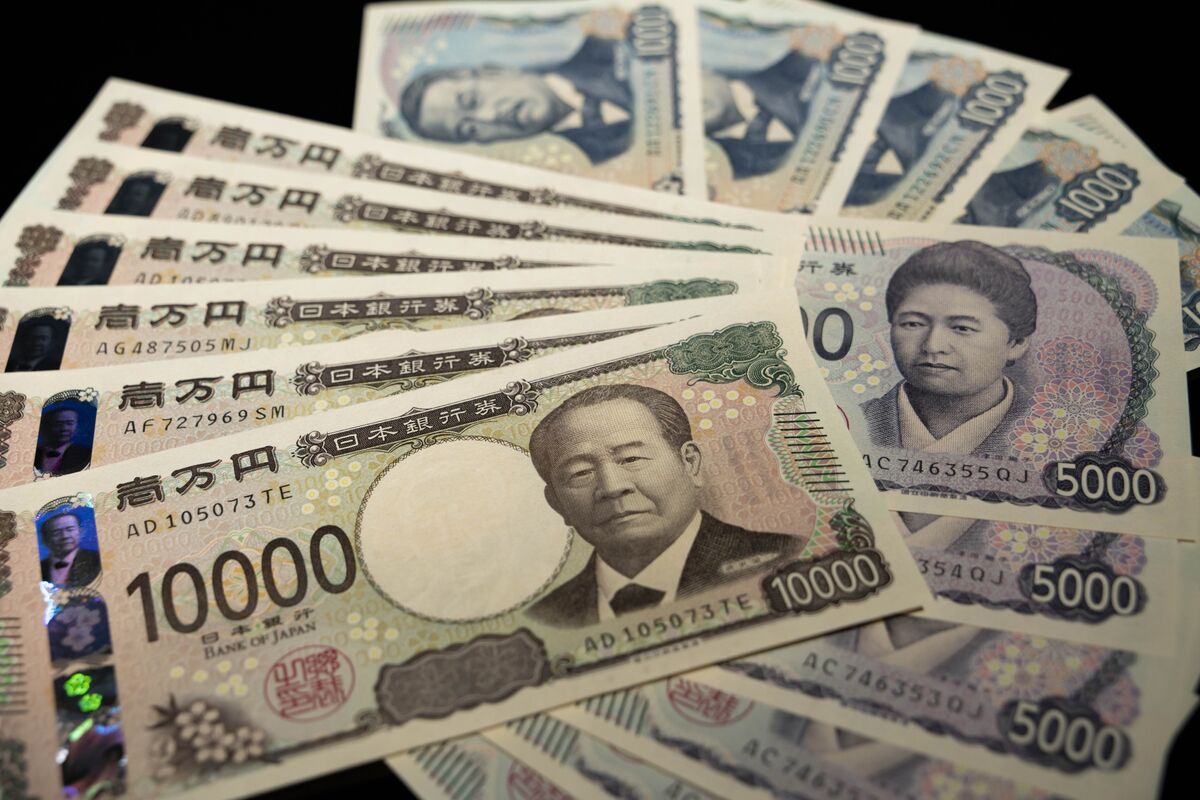
A weak yen could add about ¥934 billion ($5.8 billion) in combined earnings upside for Japanese carmakers this year, assuming the currency stays near current levels. The article frames this as a substantial profit windfall for the auto sector even as policymakers try to slow the yen’s slide to a 40-year low. The impact is positive for exporters, though the move is more of a macro tailwind than company-specific news.
The key second-order effect is not just translation lift, but margin re-rating. A weak yen disproportionately helps the most globally exposed OEMs with the highest export share and the cleanest overseas cost base, while domestic-only suppliers get less of the benefit because their input inflation also rises. That means the market should expect earnings dispersion inside Japanese autos to widen, with assemblers and premium brands outperforming parts-heavy names and firms with more local sourcing underperforming on gross margin quality. The bigger medium-term issue is political and competitive: a prolonged weak yen effectively acts like an export subsidy, which invites retaliation via pricing pressure from Korean and European rivals and potentially more aggressive local production decisions by foreign automakers in Japan and the U.S. The lift to reported profit is also partly optical if overseas earnings are repatriated into a future stronger yen; investors should distinguish between FY24/25 translation gains and structurally higher operating margins. If policy intervention stabilizes the currency, the market may have already priced in the easiest part of the earnings upside within weeks, not quarters. This is more attractive as a relative-value trade than a broad beta long. The best expression is long exporters with high overseas mix versus domestic cyclical beneficiaries that face imported inflation, and any move higher in Japanese rates would hit the most leveraged balance sheets first. The contrarian read is that consensus is underestimating how quickly FX gains can reverse: once the market senses coordinated intervention or a change in BOJ rhetoric, the earnings tailwind can compress sharply even if the reported annual upside still looks large on paper. Catalyst-wise, the next 2-8 weeks matter for intervention risk; the next 2-3 quarters matter for whether managements actually convert FX into operating leverage rather than offsetting price cuts. For stock selection, focus on companies where the yen move translates into cash flow rather than just headline EPS, because buyback capacity and debt reduction are the durable beneficiaries, not one-time accounting gains.
AI-powered research, real-time alerts, and portfolio analytics for institutional investors.
Request DemoOverall Sentiment
moderately positive
Sentiment Score
0.45
