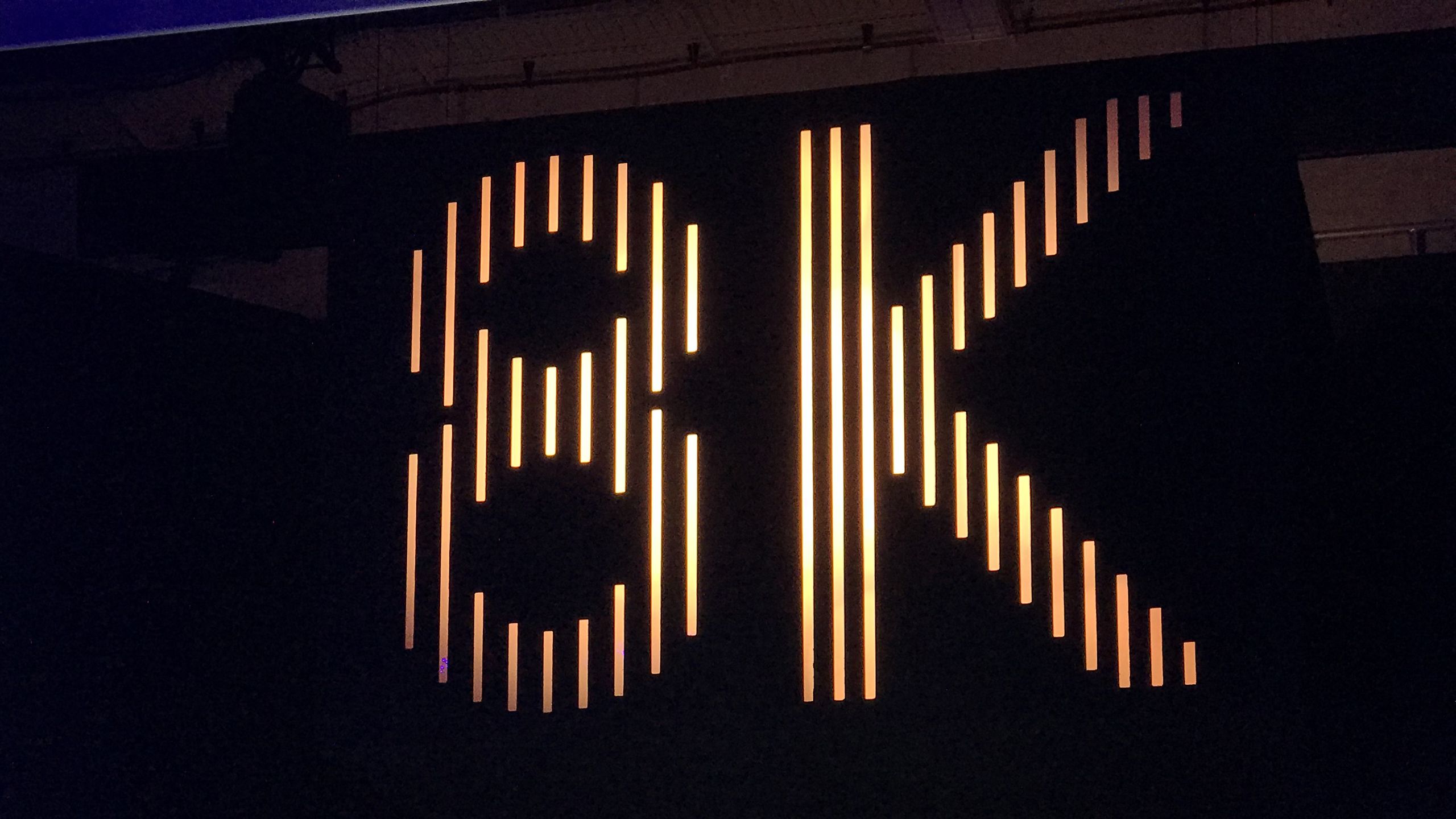
LG has discontinued its Z3 8K OLED TV and LG Display told FlatpanelsHD that development of 8K panels is on hold until market conditions improve; TCL and Sony have already exited the segment and Hisense has paused plans, leaving Samsung as the primary remaining 8K vendor but with a greatly reduced, high‑end focus. The pullback is driven by weak consumer demand, high prices, scarce native 8K content (streaming and Blu‑ray top out at 4K; Warner Bros. has only ~20 scanned films), and limited perceptible benefit over premium 4K, implying constrained near‑term revenue upside for panel suppliers and TV makers exposed to 8K inventory or R&D spend.
Market structure: The retreat from 8K (LG Display pausing panels, LG/SONY/TCL stepping back and Samsung keeping only a halo SKU) concentrates premium-pixel demand into a tiny niche — expect 8K SKUs to constitute <5% of premium TV launch SKUs in 2026 and pricing power to shift back to best-in-class 4K QD-OLED/miniLED vendors. Winners are software/streaming platforms and incumbent 4K hardware makers who avoid expensive inventory write-downs; losers include specialized 8K supply chains and niche panel fabs facing near-term utilization hits and potential capex deferrals.
Risk assessment: Short-term (days–weeks) risk is limited to sentiment and retail inventory markdowns; medium-term (3–12 months) risks include asset impairments at panel makers and margin compression for high-end TV divisions. Tail risks: a sudden content push (e.g., streamers or studios releasing >20 globally distributed native 8K titles) or a rapid microLED cost collapse would re-price the market; hidden dependencies include fabs’ ability to repurpose 8K tooling to 4K/monitor segments and possible corporate bond spread widening for display suppliers.
Trade implications: Tactical trades favor long streaming/OS ecosystems and short consumer hardware premium exposure. Specific actionable plays: modest long exposure to ROKU to capture continued content monetization and slower upgrade cycles, and short/hedge exposure to TV OEMs where TV ops contribute >10% of EBIT (e.g., incrementally bearish on SONY’s TV business). Use options to define risk around near-term catalysts (see decisions).
Contrarian angles: Consensus treats 8K as dead, but commercial, monitor, and AV-wall demand (The Wall, B2B signage) can sustain higher ASP components — look for repricing opportunities in specialized panel equipment and microLED supply chains over 12–36 months. The market may be over-discounting consumer TV aftermarket demand: if Samsung unexpectedly prices a mainstream 8K SKU within 1.5x 4K ASPs, rapid re-rating of supplier equities is possible.
AI-powered research, real-time alerts, and portfolio analytics for institutional investors.
Request DemoOverall Sentiment
moderately negative
Sentiment Score
-0.45
Ticker Sentiment
