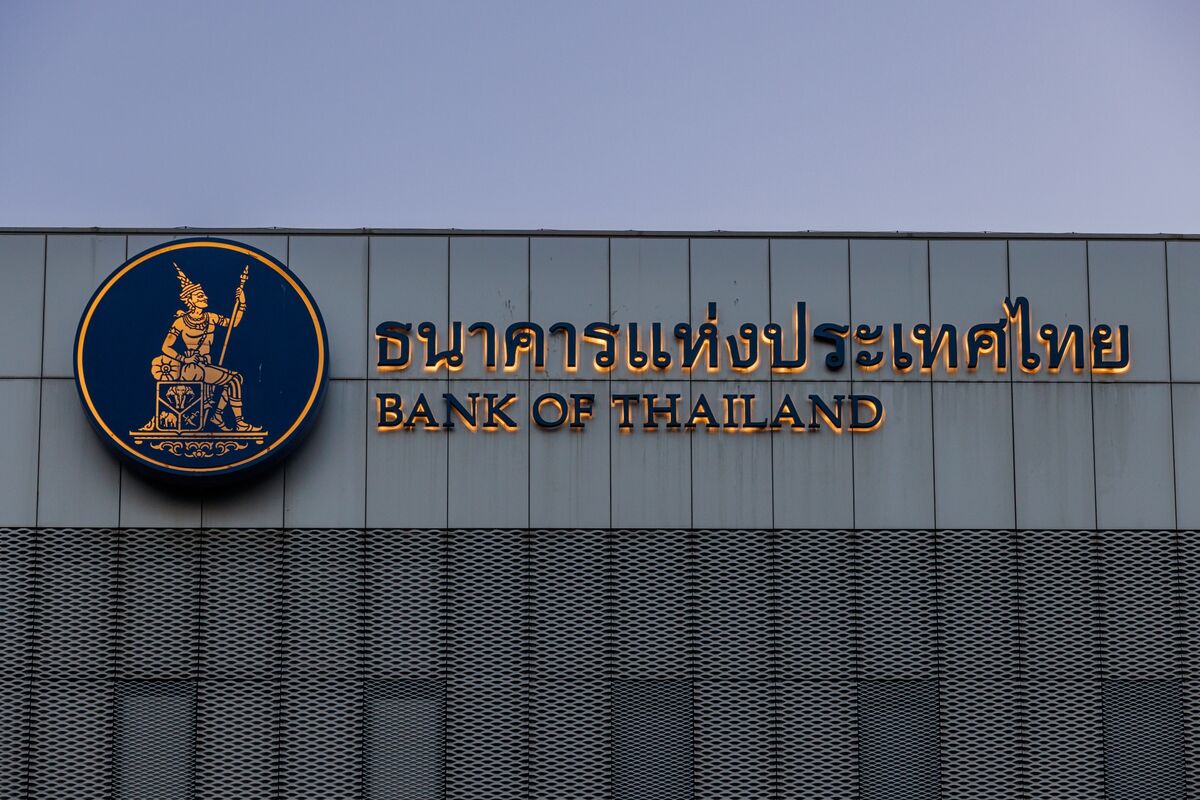
The World Bank anticipates Thailand will pursue further monetary easing this year, citing escalating external and domestic uncertainties, including the temporary suspension of Prime Minister Paetongtarn Shinawatra. While declining inflationary pressures create room for accommodation, the Bank notes this also underscores persistent demand-side weaknesses and the critical need for structural reforms to enhance productivity and investment.
The World Bank anticipates a shift towards a more accommodative monetary policy in Thailand, driven by a confluence of mounting risks. This expectation is rooted in both external and domestic uncertainties, notably exacerbated by a political crisis involving the temporary suspension of Prime Minister Paetongtarn Shinawatra. While falling inflationary pressures provide the central bank with the operational room for easing, the World Bank's report frames this not as a sign of stability, but as an indicator of persistent demand-side weaknesses within the economy. The situation underscores that monetary stimulus alone may be insufficient, highlighting a critical need for structural reforms aimed at improving long-term productivity and investment to address the core economic frailties.
AI-powered research, real-time alerts, and portfolio analytics for institutional investors.
Request DemoOverall Sentiment
moderately negative
Sentiment Score
-0.50
