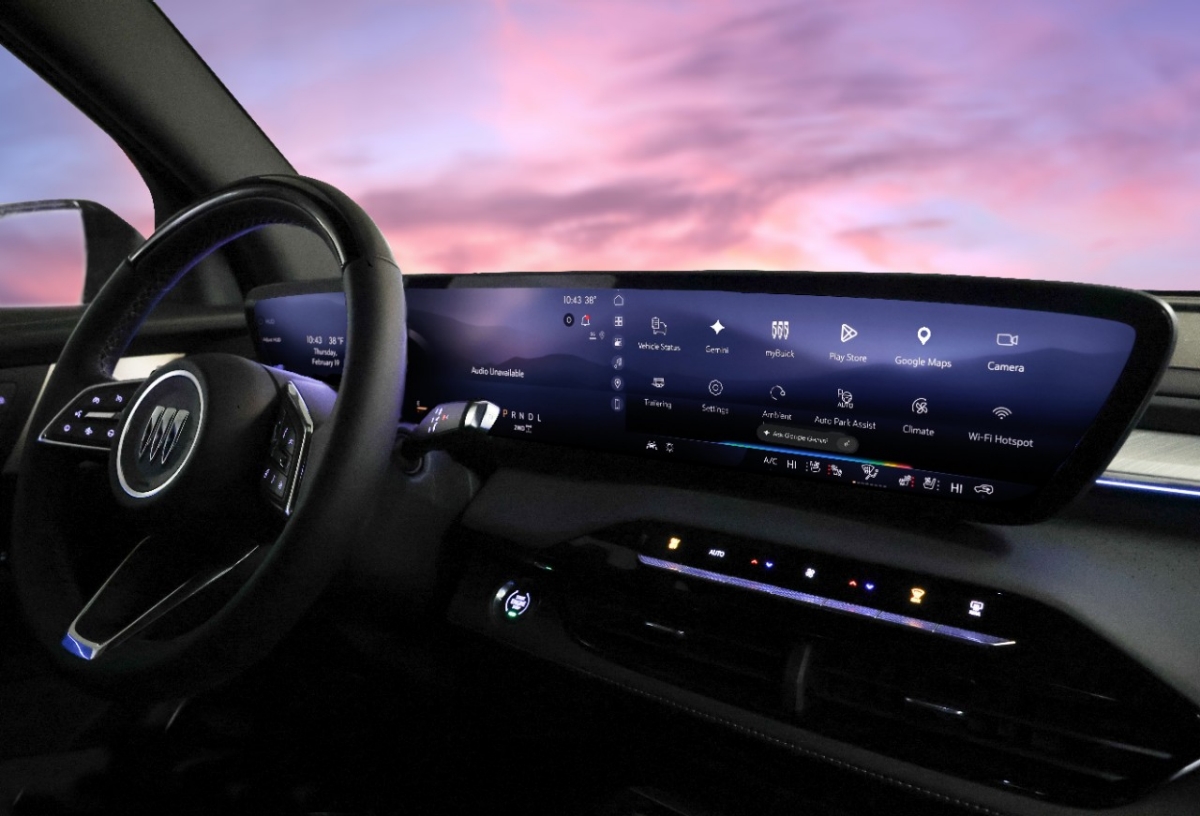
GM said Google Gemini will roll out soon to model year 2022 and newer Cadillac, Chevrolet, Buick and GMC vehicles with Google built-in, reaching about 4 million eligible U.S. vehicles. The update upgrades the current Google Assistant to a more capable in-vehicle AI experience and will be delivered over several months. GM also signaled a later, more deeply integrated custom AI assistant shaped by OnStar intelligence, reinforcing its connected-vehicle strategy.
This is less about consumer AI novelty and more about GM turning its installed base into a software distribution channel. The second-order benefit is that Gemini becomes a retention lever for the Google built-in ecosystem and a trial funnel for higher-margin connected services, which should improve attach rates without requiring a new vehicle sale. The real equity story for GM is not immediate monetization; it is reduced churn risk in a market where infotainment quality increasingly influences brand choice and lease rollover behavior. The underappreciated winner is GOOGL, but only modestly in the near term. This is primarily a distribution win, not a clean revenue driver, because the economics likely skew toward preserving platform relevance and data access rather than incremental search-like monetization; the bigger upside is defensive positioning against Apple and Amazon in the vehicle interface layer. For SPOT, this is more competitive than it looks: if voice-first in-car AI meaningfully improves discovery and session length, the battleground shifts from app choice to assistant-mediated curation, which can compress differentiation across audio platforms over time. The main risk is adoption friction, not technical capability. If opt-in, language, connectivity, or subscription gating keeps real usage below expectations, the rollout becomes a headline with limited ARPU impact, and the market will quickly discount it as a feature update rather than a durable software platform shift. Over months, the key catalyst is whether GM shows measurable improvement in OnStar retention, paid connected-services attach, or infotainment satisfaction scores; if not, the stock reaction should fade. Contrarian view: the consensus may be overpricing the near-term AI monetization angle while underpricing the strategic value of the vehicle data layer. The more important milestone is the later custom GM assistant using proprietary vehicle data; if that lands, it could create a differentiated, sticky control point in service, diagnostics, and commercial fleet workflows. That makes this announcement a credible setup for a longer-duration software multiple debate, but not yet a clean earnings inflection.
AI-powered research, real-time alerts, and portfolio analytics for institutional investors.
Request DemoOverall Sentiment
moderately positive
Sentiment Score
0.62
Ticker Sentiment
