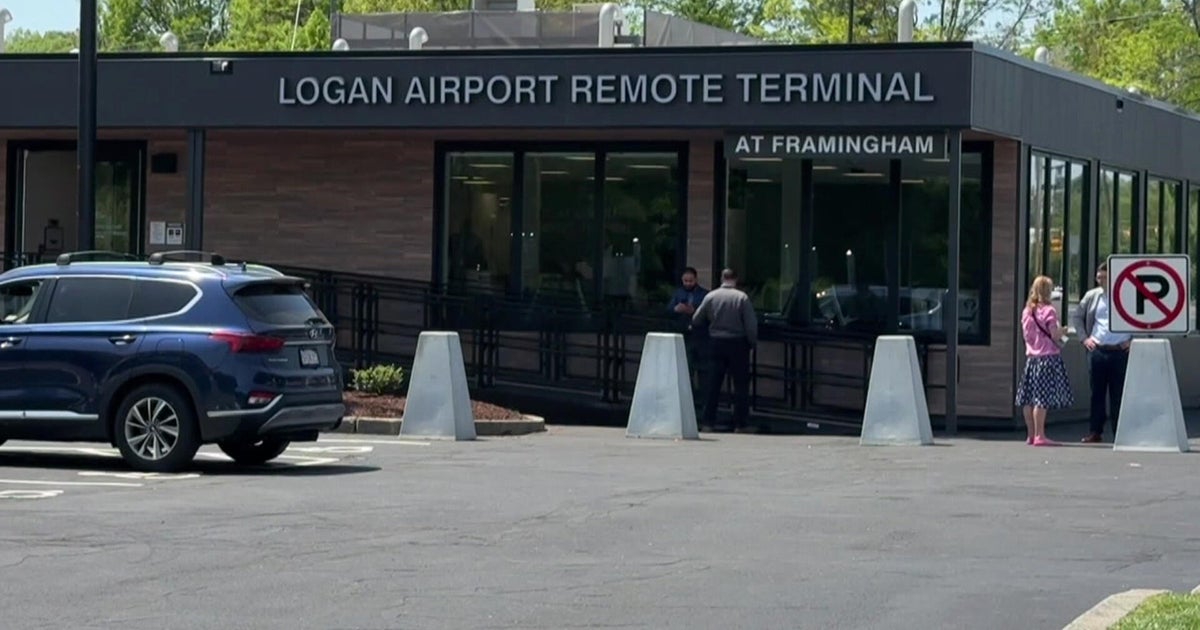
Massport will open a first-in-the-nation remote airport terminal on June 1 in Framingham, with TSA screening moved offsite for JetBlue and Delta passengers. Tickets will cost $9, with parking at $7 per day and hourly buses carrying up to 55 travelers from 4 a.m. to 1 p.m. The pilot is designed to reduce Logan security lines and roadway congestion, and could serve as a model for future remote terminals.
This is less about near-term revenue for DAL than about a potentially durable capacity unlock at a constrained hub. Any reduction in gate-area friction that improves on-time departure reliability and passenger throughput can lower misconnect risk and improve schedule integrity, which matters disproportionately for a carrier with a large northeast network and premium mix. The economic value is not the $9 ticket; it is the ability to monetize customer time savings, reduce irregular-ops spillover, and defend share versus rivals that still force travelers into the standard airport queue.
The second-order winner may be the broader Massachusetts travel ecosystem: parking, rideshare, and local roadway congestion relief create an adoption flywheel if travelers perceive the process as predictable. That said, the program’s early constraint is operational trust, not demand — one high-profile delay, bag mishandling event, or road incident could suppress usage quickly because the product depends on passengers accepting a new multi-leg journey as equivalent to airside boarding. The pilot also has a built-in seasonality test: summer leisure traffic is forgiving, but the model will be judged on winter weather, peak holiday periods, and disruption recovery over the next 6-12 months.
For DAL, this is a low-cost option on customer experience rather than an earnings inflection today, but it could become strategically meaningful if it scales to other congested airports. The market is likely underpricing the signaling value: if Boston works, airports with space constraints and strong origin-and-destination traffic may adopt similar offsite screening, which could advantage carriers and infrastructure partners that can manage ground logistics better than peers. The contrarian risk is that regulators and competitors may view the concept as a niche convenience rather than a scalable system, limiting the valuation impact to a modest brand halo.
The key catalyst is adoption data over the next 1-2 quarters: load factors on the buses, repeat usage, and whether the service expands beyond the initial carrier set. If volumes ramp without incident, it becomes evidence that airport throughput can be outsourced, which is a structural positive for slot-constrained hubs and for operators with strong service execution. If utilization stays low, the trade fades back to a novelty story and any reputational benefit to DAL dissipates.
AI-powered research, real-time alerts, and portfolio analytics for institutional investors.
Request DemoOverall Sentiment
mildly positive
Sentiment Score
0.20
Ticker Sentiment
