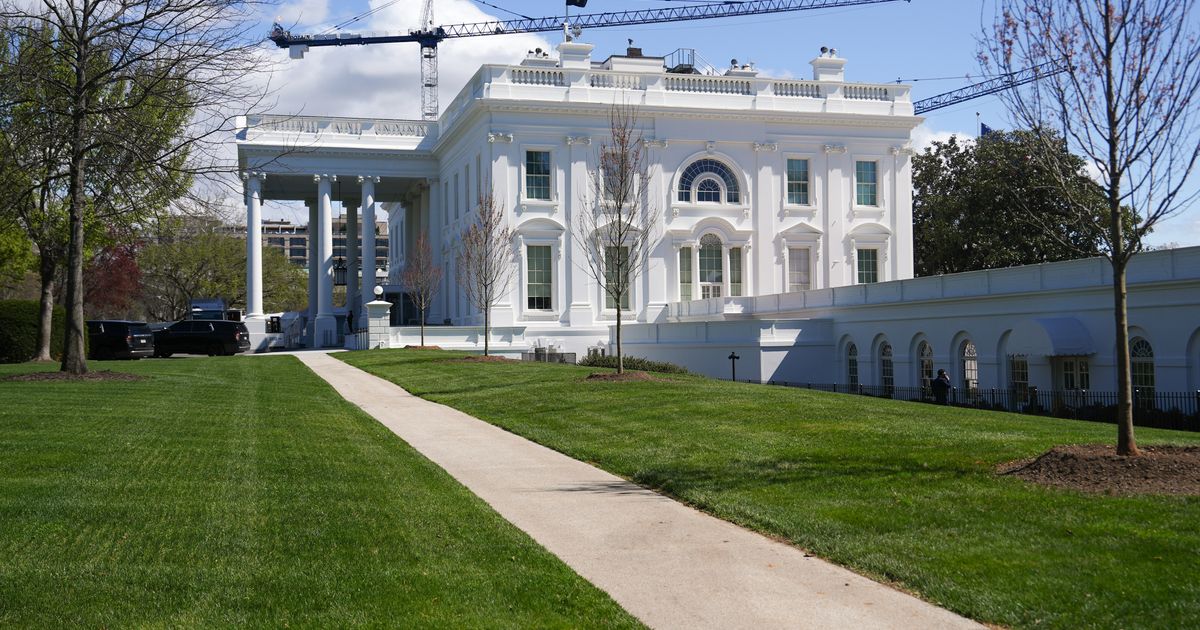
A federal judge granted a preliminary injunction ordering the suspension of the $400 million White House ballroom project, halting construction pending congressional approval while exempting work necessary for safety and security. The privately funded plan calls for a 90,000 sq ft ballroom seating ~999; above-ground construction was slated to begin in April and the administration is likely to appeal. Market impact is minimal, but the ruling raises legal and political uncertainty around presidential authority over White House renovations and may delay the project and related approvals.
The injunction is less about one room than about precedent: courts signaling limits on unilateral executive alterations to iconic federal property increases legal friction for any politically charged capital project in D.C. Expect immediate administrative caution — project owners and contractors will price in 30–60 day work stoppages, contractual acceleration clauses, and higher contingency budgets for litigation risk, pushing near-term margins lower on small, DC‑concentrated builders.
Operationally, the most direct second‑order hit is to firms with lumpy, short‑duration federal renovation revenue and fixed onsite crews; idle labor and equipment stand costs (~5–10% of project value per month) will compress quarterly EBITDA if delays persist. Conversely, commercial venues and hotel operators that host large private events see asymmetric upside: a sustained reduction in available prestige space shifts a portion of high-margin donor and corporate events back to the private market over 6–12 months.
Key catalysts to watch are (1) the appellate timetable — an expedited appeal could resolve uncertainty in weeks, while a multi‑court process stretches into quarters, (2) any congressional response that would either codify approval pathways or tighten oversight, and (3) settlement dynamics where private donors or contractors negotiate scope/time remedies. Reversals will come if an appellate court restores authority, Congress legislates explicit approval, or the administration restructures the project to fit clear safety exemptions; each would materially downshift legal premium priced into affected equities.
AI-powered research, real-time alerts, and portfolio analytics for institutional investors.
Overall Sentiment
neutral
Sentiment Score
0.00
