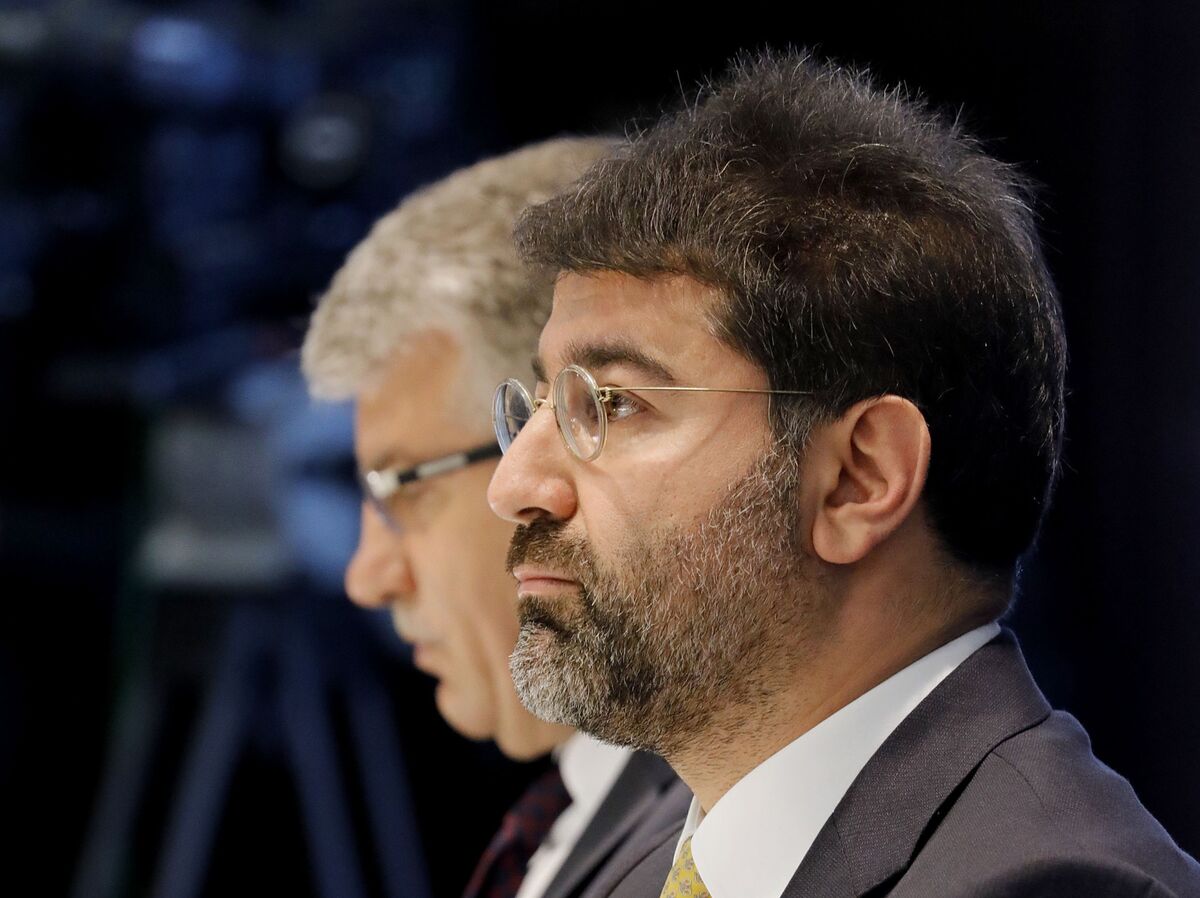
Former Turkish Central Bank Deputy Governor Emrah Sener was arrested along with seven others amid an investigation into alleged financial irregularities. The probe centers on public tenders managed by Interbank Card Center (BKM), a payment-processing network where the central bank holds a majority stake. This development follows an internal audit in October 2024 that flagged misconduct, prompting the central bank to file a criminal complaint, signaling potential governance concerns within Turkey's financial infrastructure.
The arrest of former Turkish Central Bank Deputy Governor Emrah Sener, alongside seven others, signals significant governance concerns within Turkey's financial sector. This probe centers on alleged financial irregularities tied to public tenders managed by the Interbank Card Center (BKM), a critical payment-processing network majority-owned by the central bank. The involvement of a former high-ranking central bank official underscores the severity and potential systemic nature of the allegations.
The investigation was initiated following an internal audit in October 2024 that identified potential misconduct, prompting the central bank to file a criminal complaint in December. This sequence of events highlights a reactive rather than proactive detection of issues, raising questions about internal controls and oversight mechanisms at a key financial infrastructure entity. The themes of Regulation & Legislation, Legal & Litigation, and Management & Governance are highly relevant here.
The strongly negative sentiment (-0.75) and uncertain tone associated with this news, coupled with a high market impact score (0.7), suggest potential erosion of investor confidence in Turkish financial institutions. Such developments typically lead to increased scrutiny on regulatory frameworks and corporate governance practices across the country's banking and fintech sectors, potentially affecting capital flows and risk premiums.
Given the central bank's majority stake in BKM, these irregularities could imply broader institutional vulnerabilities. The absence of specific tickers indicates a more general, systemic risk rather than an isolated corporate event, impacting the perceived integrity of Turkey's financial system.
AI-powered research, real-time alerts, and portfolio analytics for institutional investors.
Request DemoOverall Sentiment
strongly negative
Sentiment Score
-0.75
