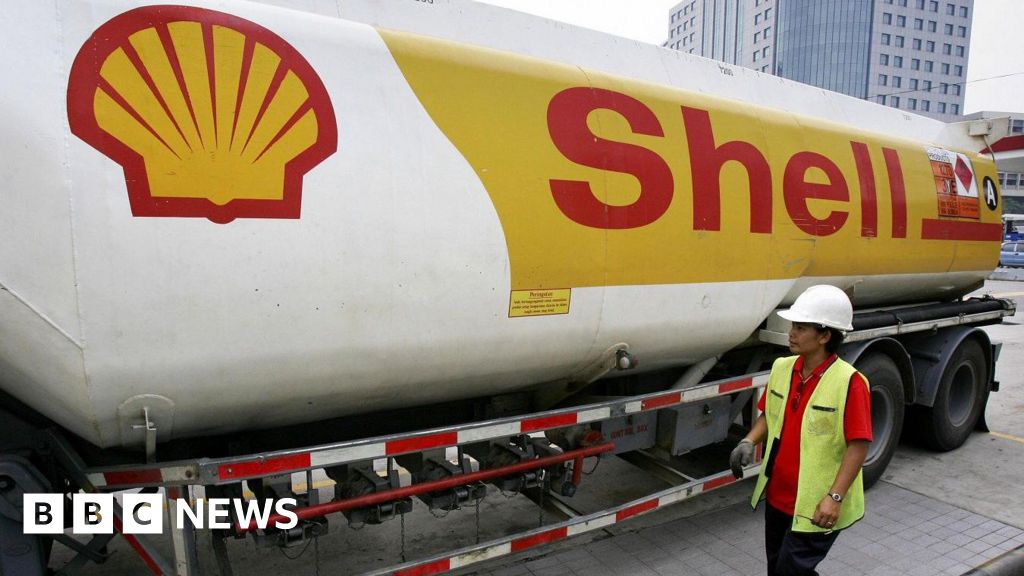
Shell reported first-quarter profits of $6.92bn, up from $5.58bn a year earlier and above analyst expectations, as the Iran war pushed oil prices higher and boosted trading and refining margins. Brent crude has surged from about $73 a barrel before the conflict to around $101, with swings above $120, while Shell’s oil and gas output fell 4% and LNG operations in Qatar remain disrupted. The article also highlights wider sector impacts, including BP and Equinor profit jumps and Maersk passing through about $500m of extra monthly energy costs.
The key market implication is not simply higher crude; it is a wider dispersion between “oil price beta” and “operational resilience.” Integrated majors with meaningful trading arms and downstream exposure are capturing volatility twice — first through inventory/realization gains, then through widening crack spreads and dislocated freight/arb flows. That favors firms with global trading sophistication and flexible portfolio management, while more domestically trapped producers without trading capability may lag on a relative basis despite the same headline oil move.
The second-order winner is likely LNG-linked and shipping-adjacent infrastructure, but only after a lag. If Hormuz risk persists, Asian LNG buyers will increasingly pay up for cargo optionality and storage, while tanker insurance, routing time, and demurrage costs rise; that inflates working capital and could create a temporary squeeze for import-dependent utilities and industrials before any consumer inflation spike shows up. Conversely, if the corridor reopens quickly, some of the current risk premium will unwind faster than forward earnings estimates can reset, creating a sharp mean-reversion trade in energy equities.
The market is probably underpricing policy follow-through outside the UK. Higher fuel and transport costs create a delayed inflation impulse that widens the odds of diplomatic intervention, SPR chatter, or security guarantees for shipping lanes within 30-90 days. The true risk is not a straight line up in oil, but a violent reversal from any credible de-escalation headline; that argues for owning convexity rather than chasing spot exposure after a multi-week gap higher.
On Shell specifically, the acquisition of ARC Resources looks more attractive in a sustained high-vol regime because it adds duration to cash flows just as geopolitical volatility is increasing the value of long-life supply. But if crude retraces toward the low-$90s and volatility compresses, the market may re-focus on integration risk and overseas exposure rather than quarter-end earnings upside, especially since the current profit beat is partly a trading and timing story rather than purely a volume story.
AI-powered research, real-time alerts, and portfolio analytics for institutional investors.
Request DemoOverall Sentiment
mildly positive
Sentiment Score
0.35
Ticker Sentiment
