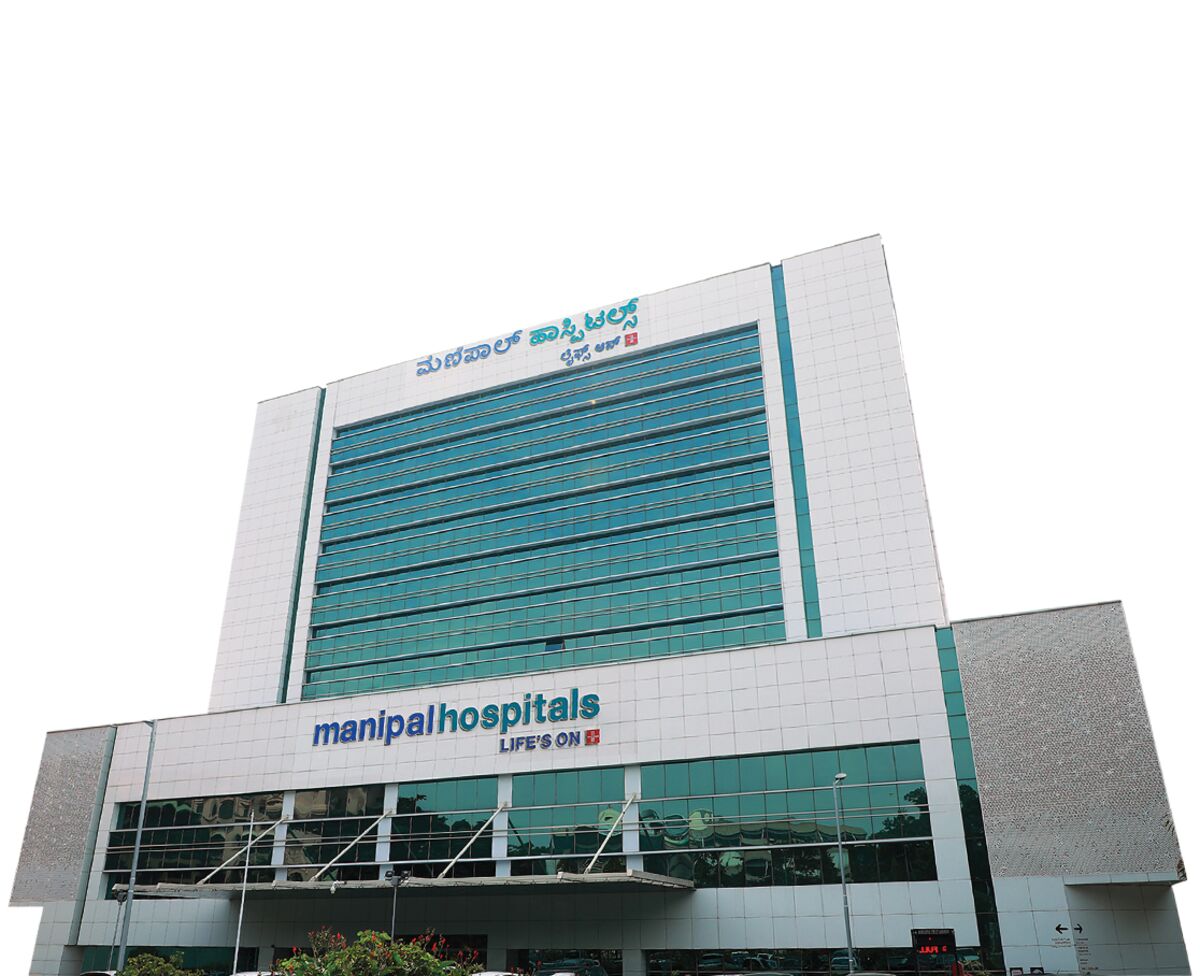
Manipal Health Enterprises filed draft IPO papers for about $1.0B, including a fresh issue of 80 billion rupees (~$852m) and an offer-for-sale of up to 43.23 million shares (3.66% stake) by existing investors. The Temasek-backed hospital operator’s proposed listing could be India’s largest by a hospital operator, likely drawing strong sector and domestic EM investor interest. The deal combines significant primary proceeds to fund growth with an offer-for-sale to provide liquidity to current backers.
A large hospital-operator IPO will act as a fresh valuation anchor for India’s healthcare sector and will accelerate price discovery across private and public peers. Expect two immediate transmission channels: valuation comps (public multiples reset around the IPO pricing) and dealflow (private owners testing exits), both of which can move listed hospital and diagnostics stocks by double-digit percentages within 3–12 months.
Second-order winners are asset-light diagnostic chains and medical-equipment OEMs because new primary capital in hospitals usually translates into outsized near-term spend on imaging, lab automation and recurring consumables; conversely, mid-sized regional operators with legacy assets and high capex burdens are at risk of investor rotation away from balance-sheet-heavy models. Operationally, the IPO will tighten labour markets for specialty nurses and technicians in key metros, hiking wage inflation by several hundred basis points in the first 12–18 months and pressuring margins unless utilisation lifts proportionally.
Key catalysts to watch: price discovery on listing day, lock-up expiries for selling investors, quarterly results showing same-hospital revenue/mix, and regulatory signals on reimbursement or rate caps; any of these can flip market sentiment within days to weeks. The principal tail-risks are a weak subscription that creates a sector derating, or a policy intervention on private hospital tariffs that mechanically compresses EBITDA margins across the cohort—both would take 1–6 months to play out and could erase consensus re-rating.
Contrarian angle: the market treats a large primary raise as unambiguously bullish for the sector, but a sizable fresh-equity issuance also signals future capex-led dilution and management focus on expansion over margin improvement. If the IPO prices richly, public peers are more likely to face multiple compression later as investors reassess organic ROIC vs buy-and-build economics; that sets up a barbell trade — overweight asset-light names, underweight capex-heavy operators.
AI-powered research, real-time alerts, and portfolio analytics for institutional investors.
Request DemoOverall Sentiment
mildly positive
Sentiment Score
0.25
