
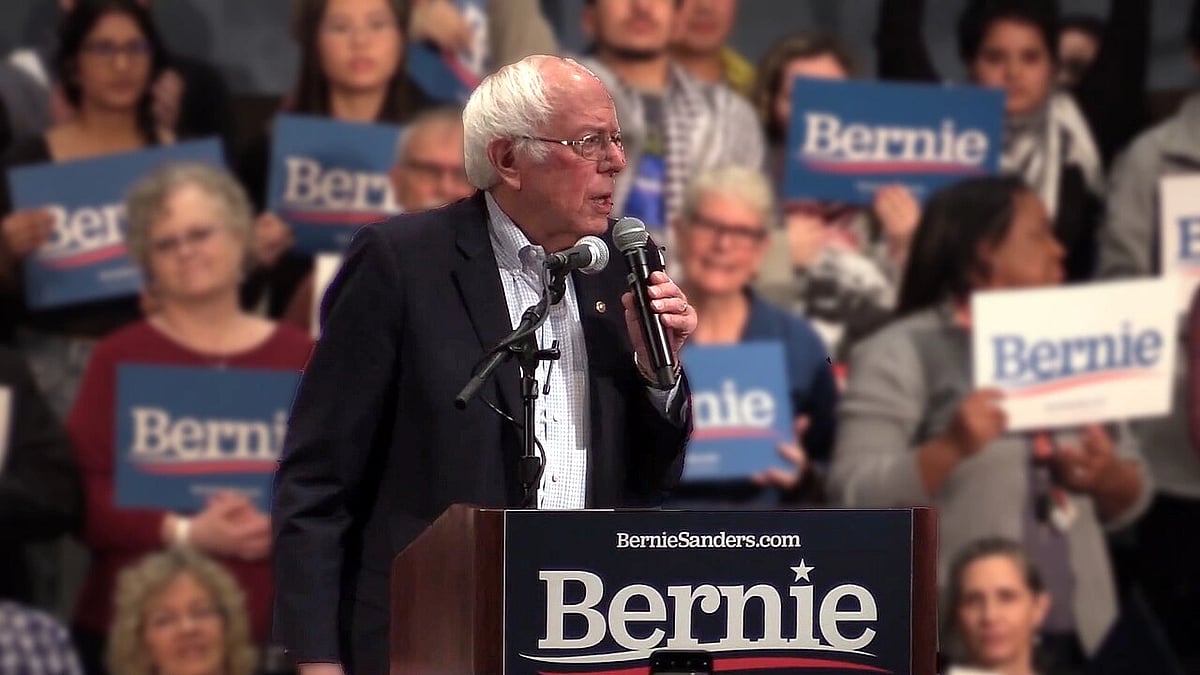
Sen. Bernie Sanders plans votes on two resolutions that would block roughly $450 million in weapons sales to Israel, including over $150 million of 1,000-pound bombs and nearly $300 million of Caterpillar bulldozers. The measure targets transfers tied to Israel’s operations in Lebanon, Gaza, and the West Bank, and Sanders argues they violate US arms-export laws. While the resolutions face long odds in the Republican-controlled Senate, the vote underscores growing political and legal pressure around US military aid and export controls.
CAT is the only direct public-market exposure here, and the key issue is not near-term revenue but headline risk around U.S.-origin equipment being linked to demolition activity. That creates a low-probability but sticky ESG/governance overhang that can widen the discount rate on the stock, especially if this becomes a recurring Senate vote rather than a one-off protest action. The market typically underprices how quickly a politically charged procurement issue can migrate from a Middle East narrative into domestic U.S. dealer scrutiny, proxy-vote pressure, and procurement delays in other jurisdictions.
The second-order effect is more important than any immediate order cancellation: even if CAT’s direct sales into the relevant channel are immaterial, the company’s installed base of yellow iron becomes part of a broader sanctions/export-controls conversation. That raises optionality risk for international public-sector deals and can force management to spend more on compliance messaging, distributor controls, and reputational defense. If this turns into an election-year wedge issue, the marginal buyer could demand a political risk discount rather than a pure earnings discount.
The contrarian view is that the move may be overdone for CAT specifically because the article describes a legislative vote with long odds, not a policy change. Unless there is actual Treasury/State action or a meaningful procurement freeze, the earnings hit is likely de minimis versus the multiple compression from headline churn. That said, the asymmetry favors short-dated protection over outright stock shorts: the catalyst window is days to weeks, while fundamental damage would take months and require escalation beyond a failed Senate resolution.
AI-powered research, real-time alerts, and portfolio analytics for institutional investors.
Request TrialOverall Sentiment
moderately negative
Sentiment Score
-0.45
Ticker Sentiment
