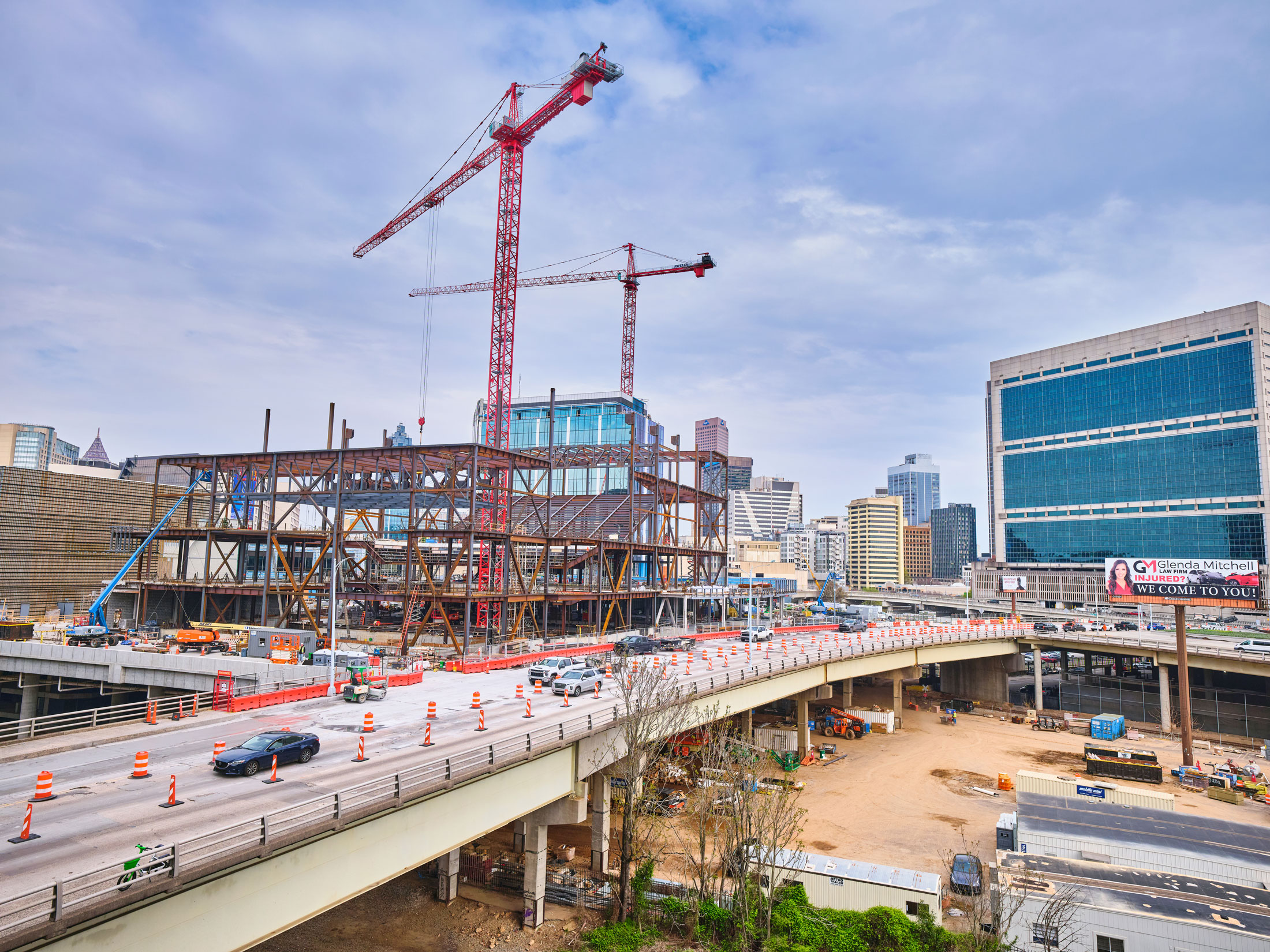
Centennial Yards is a $5.0B redevelopment (expanded from an original 40-acre Gulch site) backed by Tony Ressler, CIM Group and a coalition of ~30 local investors who collectively own about one-third of the project while CIM controls the remainder. The deal is supported by nearly $2.0B in public tax incentives (including $557M of approved bonds) and promises ~10,000 jobs, but completion is phased and the full district isn’t expected until ~2031; only the 19‑story Hotel Phoenix and two apartment buildings are finished so far. Key near-term items: a 70,000 sq. ft. entertainment dome (Cosm) is slated to open June 14 and a 304‑unit building avoided its 20% affordable-unit requirement by paying an $8.5M fine. Major risks include a 33% downtown office vacancy, post‑Covid pullback in planned office towers, community skepticism over incentives and enforceability of affordable‑housing and hiring commitments.
From a capital-allocation view the most durable change here is structural: a high-profile urban infill that re-prices the economics of event-driven micro-markets rather than broad office demand. That shifts where margin accrues — operators who monetize captive foot traffic (parking, signage, premium concessions, arena ops) and firms that improve route density for deliveries will capture recurring cashflow, while bulk-material retailers and suburban-oriented service providers will only see diffuse upside. Expect localized productivity gains in last-mile logistics (lower stop-mile costs) and recurring ancillary revenue streams that can be securitized into specialized muni/infrastructure-backed instruments.
Primary risks are execution and regime risk: multi-decade timelines with front-loaded engineering complexity create a binary pattern of outcomes where delays and cost inflation compound quickly. Near-term catalysts to watch are phased occupancy/leasing milestones and bond revenue realization windows over the next 12–36 months; an adverse court, a changed city administration or a sustained office-demand deterioration could wipe out projected cashflows and bond coverage. Interest-rate volatility is a force-multiplier — higher rates shorten developers’ runway and raise break-even footfall for entertainment assets.
The market consensus underweights operational concentration: success depends less on one-off headline events and more on converting adjacent neighborhoods into daily demand drivers. That favors private-equity-like exposures and professional leasing/asset managers over commodity suppliers. For public markets, the asymmetric payoff is that early-stage visibility into monetized, recurring revenue (parking, signage, subscriptions) will re-rate owners faster than a generalized recovery in downtown office rents.
AI-powered research, real-time alerts, and portfolio analytics for institutional investors.
Request DemoOverall Sentiment
mildly positive
Sentiment Score
0.18
Ticker Sentiment
