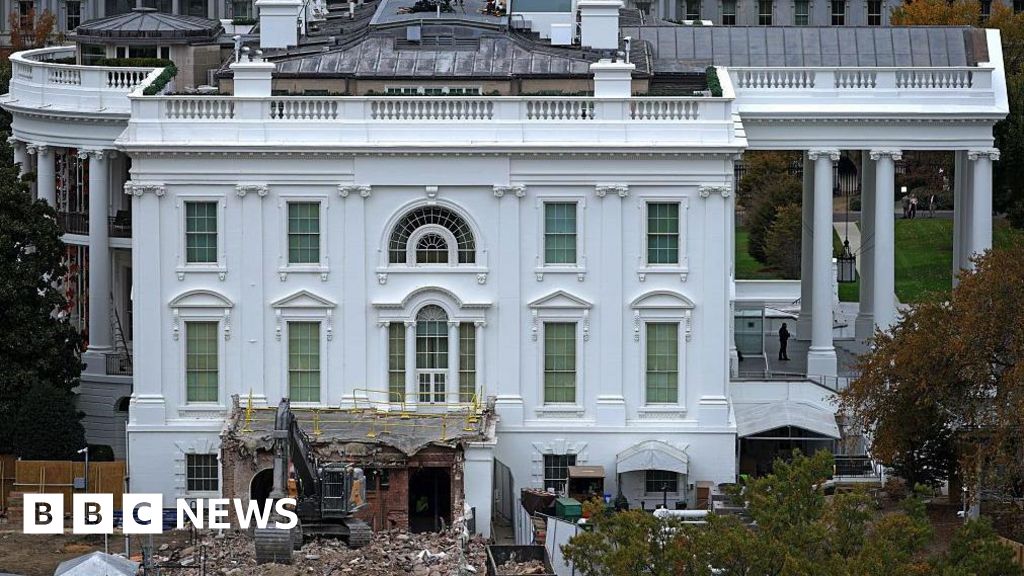
The U.S. Commission of Fine Arts, dominated by Trump appointees, overwhelmingly approved revised design plans for a White House ballroom after architects addressed commission concerns; the East Wing was demolished last fall and the planned ballroom capacity has been increased from 500 to 1,350. The project faces a federal lawsuit from the National Trust for Historic Preservation alleging failure to follow required review processes, over 2,000 public comments reportedly >99% opposed, and still requires approval from the 12-member National Capital Planning Commission in early March; the administration says the construction will be privately funded.
Market structure: The decision primarily helps builders, design firms and materials suppliers tied to federal/mid‑Atlantic projects — think AECOM (ACM), Jacobs (J), Martin Marietta (MLM) and Vulcan Materials (VMC) — by creating a near‑term ~$50–150m localized construction spend (contract awards + materials/fit‑out) and incremental security/event services. Pricing power is limited: large firms can absorb a $50–200m DC job without systemic margin change, but niche suppliers (stone, millwork, AV) could see 5–15% volume bumps regionally over 6–18 months. Broader markets (rates, FX, commodities) will be immaterial; modest uptick in cement/aggregate demand could shave 1–3bps off regional pricing for 12–24 months.
Risk assessment: Tail risks include a successful injunction or prolonged litigation that halts work and triggers contract termination claims — loss severity for a mid‑tier contractor could be 5–10% of annual revenue; reputational and bid‑work pipeline risk is asymmetric entering the 2028 election cycle. Immediate catalyst: National Capital Planning Commission meeting in early March (vote + public commentary); litigation milestones could take 3–18 months. Hidden dependencies: private fundraising promises and security retrofits (cost overruns), which could shift contractual risk to prime contractors and insurers.
Trade implications: Direct plays: small tactical longs in US construction‑materials names with liquid options (MLM, VMC) sized 0.5–2% of portfolio, targeting a 6–12 week window around the March NCPC vote; use 6–8 week call spreads to cap premium. Pair trade: long ACM (design/engineering revenue exposure) vs short a broad‑equipment name (CAT) to isolate DC civil work upside while hedging macro construction cycle exposure. Avoid concentrated exposure to small DC GCs and architecture boutiques; reduce private real‑estate event/hospitality allocations by 1–2% until litigation clears.
Contrarian angle: Consensus treats this as symbolic politics with no market consequences, but for regional materials suppliers and specialty contractors the project is a discrete cash flow event that can re‑rate 2–4x forward EBITDA multiples in small‑cap names. The market is likely underpricing litigation risk but overpricing headline political risk — opportunity: buy short‑dated bullish spreads ahead of NCPC (probability of approval >60% given commission makeup) and set hard stop if court issues interim relief. Historical parallel: federally funded/high‑profile DC work (e.g., Smithsonian expansions) produced outsized wins for niche suppliers despite public controversy.
AI-powered research, real-time alerts, and portfolio analytics for institutional investors.
Request DemoOverall Sentiment
neutral
Sentiment Score
0.00
