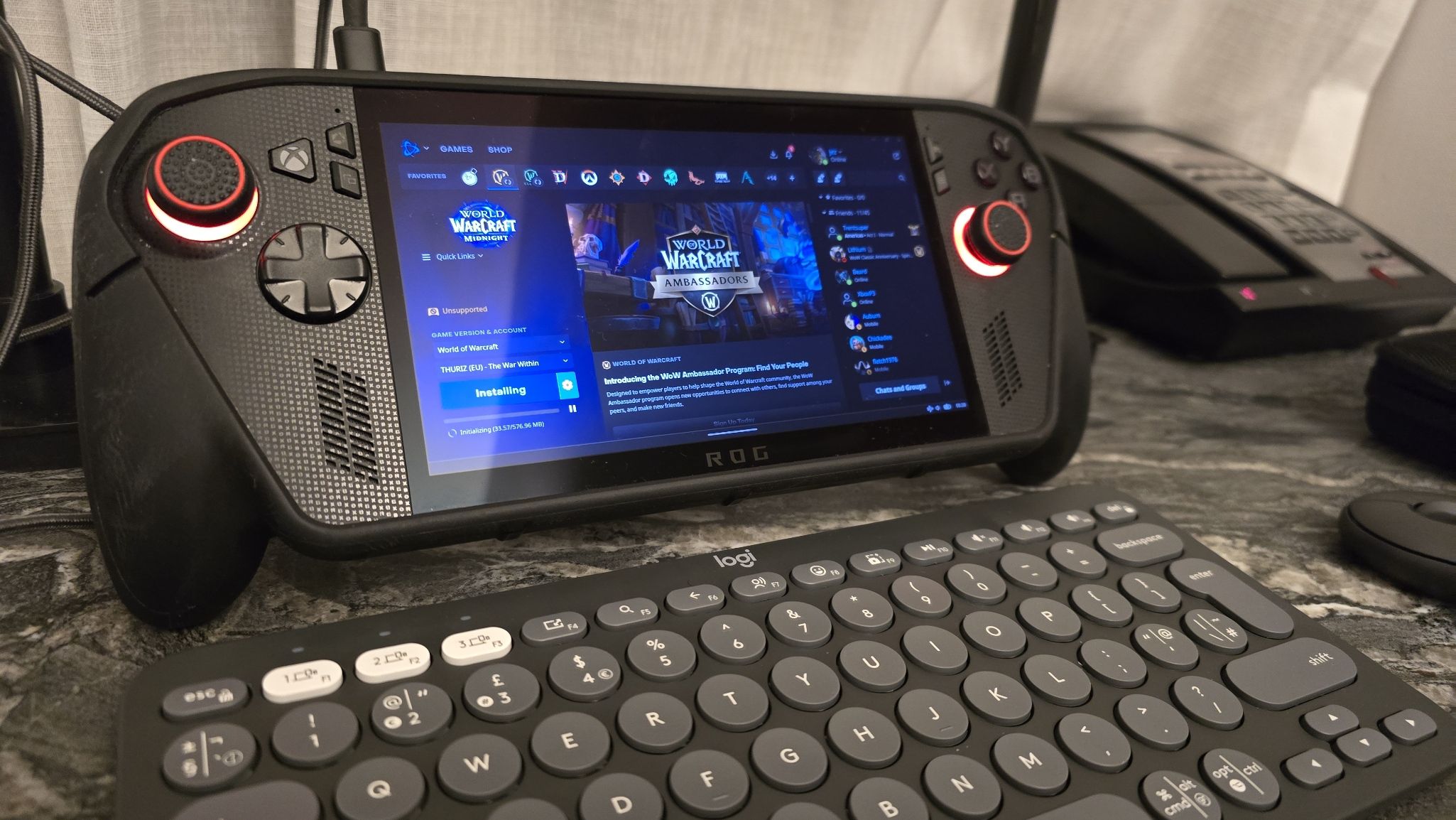
Microsoft is internally testing an AI-powered 'Highlight Reels' feature on ASUS-built Xbox Ally X handhelds that leverages an on-device NPU to auto-capture and compile gameplay moments, with focus testing across major multiplayer and single-player titles. The article underscores Microsoft’s plan for the next-gen Xbox to be PC-like—using an AMD Magnus hybrid SoC and likely an NPU—potentially extending Xbox PC feature integration and developer expectations, while noting component scarcity may prolong the current-gen console lifecycle and that Xbox PC still has UX performance issues to resolve.
Market structure: Microsoft (MSFT) and AMD are the primary beneficiaries—MSFT gains stickiness, content/social distribution and potential incremental Game Pass/store revenue from AI-driven Highlight Reels and Postgame Recaps; AMD secures higher ASPs and design-win leverage for the Magnus/Z2E APU in a Gen‑10 Xbox targeted for ~2027. Console OEMs without an integrated Windows/AI stack (e.g., Sony) face relative pricing pressure and feature gaps; smaller GPU/clip-tool vendors risk displacement. Tight NPU/AI component supply implies upward price pressure on specialized silicon and memory through 2024–26, lifting supplier margins and capex cycles.
Risk assessment: Key tail risks include regulatory scrutiny on bundling Windows+Store (antitrust) and privacy/data issues from automated clip capture, any of which could force feature rollbacks within 6–24 months. Operational risks—TSMC/AMD supply constraints or OS performance regressions—could delay rollouts beyond 2027 and cap upside; monitor AMD fab utilization and MSFT gaming telemetry over the next 3–12 months. Catalysts: GDC announcements, MSFT earnings (next 90 days), and AMD partner updates will accelerate re-rating or repricing.
Trade implications: Tactical ideas—establish 2–3% long MSFT ahead of GDC/earnings to capture UX/monetization narrative; 1–2% long AMD to play SoC wins and higher ASPs, using 3–6 month call spreads to limit downside if volatility spikes. Options: consider MSFT 6‑month 5–7% OTM call spreads to exploit anticipated positive catalysts and buy AMD 3‑month calls or call calendars around GDC; avoid naked short NVDA exposure given broader AI upside. Rotate portfolio +2–4% into semis and software, trimming cyclical consumer discretionary exposure over the next 6–12 months.
Contrarian angles: The consensus underrates the monetization lift from social/share features—modest DAU lift of 3–8% could translate to meaningful store/Game Pass ARPU gains, but this is backloaded to 2025–27 as developer adoption and OS polish mature. Conversely the market may be overstating near-term hardware uplift; supply shortages and slow Xbox PC UX fixes could delay revenue realization, creating a 6–18 month window where MSFT/AMD are priced for perfection. Historical parallels: Kinect and PlayStation social pushes show feature hype can precede sustainable monetization; hedge positions against privacy/regulatory pullbacks.
AI-powered research, real-time alerts, and portfolio analytics for institutional investors.
Request DemoOverall Sentiment
neutral
Sentiment Score
0.12
Ticker Sentiment
