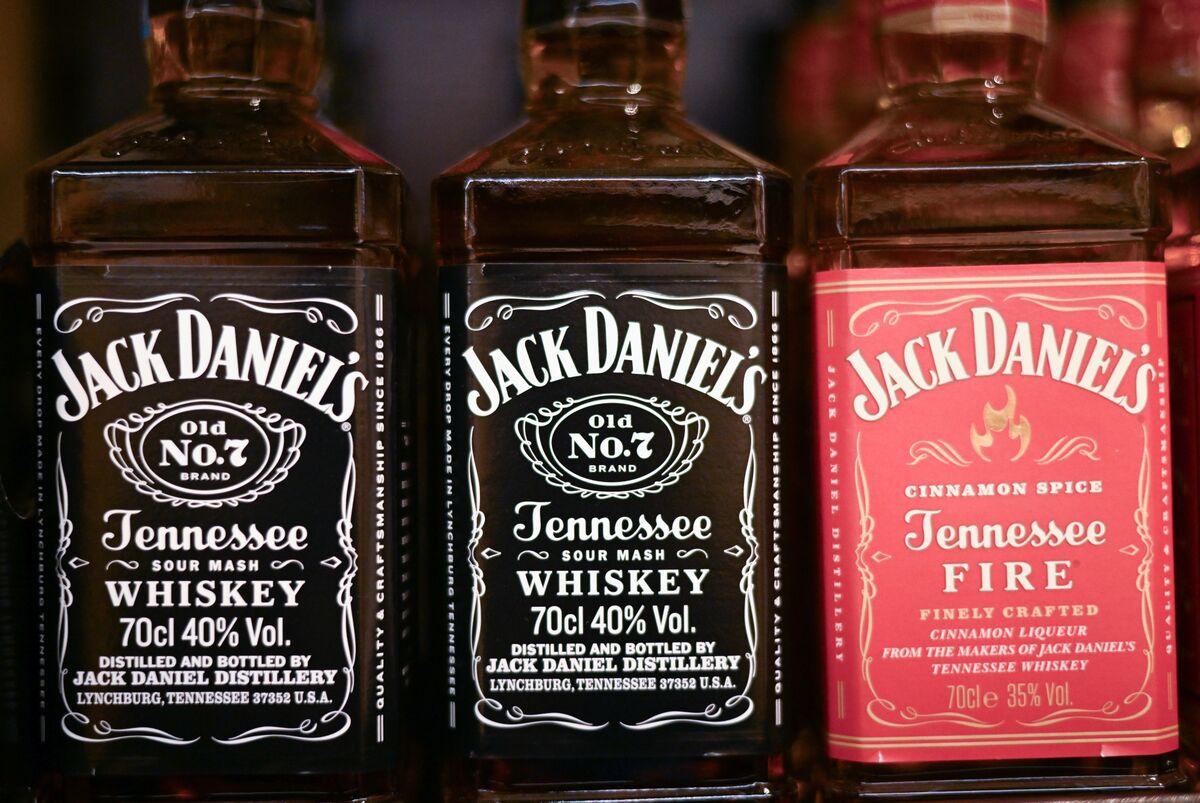
Pernod Ricard and Brown-Forman are in talks to merge, confirming a Bloomberg report and similar statements from both companies. The discussions come amid a downturn in the alcoholic drinks industry and signal potential consolidation that could reshape premium spirits market share and pricing. The news is likely to move the two companies' shares and be sector-moving, with antitrust and regulatory review a key execution risk.
This is an event-driven consolidation that creates concentrated pricing and distribution leverage in global spirits categories where scale matters most (Tennessee whiskey, Scotch, global ready-to-drink). Expect 3–5% procurement and route-to-market cost synergies within 12–24 months if the deal clears, but those are back-loaded: most of the near-term P/L impact will come from SG&A rationalization and distributor renegotiations.
Regulatory scrutiny is the dominant margin lever and timing risk. EU/US competition authorities typically take 6–18 months to assess cross-border beverage deals and commonly insist on brand- or territory-level divestitures that can represent 5–12% of combined revenues, turning headline synergies into execution complexity and materially lowering merger arbitrage spreads.
Second-order winners include global wholesalers and logistics partners that can upsell bundled distribution services to a larger combined portfolio; craft and regional producers are potential beneficiaries as consolidated giants prioritize global flagship SKUs and retrench from low-margin local SKUs. Conversely, national wholesalers and smaller import specialists risk margin compression as the merged group centralizes terms and leverages scale to reclaim on-premise listings.
A definitive transaction (signed agreement) is the first true catalyst — thereafter the market will reprice on likely remedy scopes and balance-sheet financing (debt vs equity). If financing requires significant debt, capital allocation to marketing and NPD will get constrained for 2–3 years, raising brand deterioration risk and opening a path for premium niche competitors to outrun portfolio incumbents.
AI-powered research, real-time alerts, and portfolio analytics for institutional investors.
Overall Sentiment
moderately positive
Sentiment Score
0.30
Ticker Sentiment
