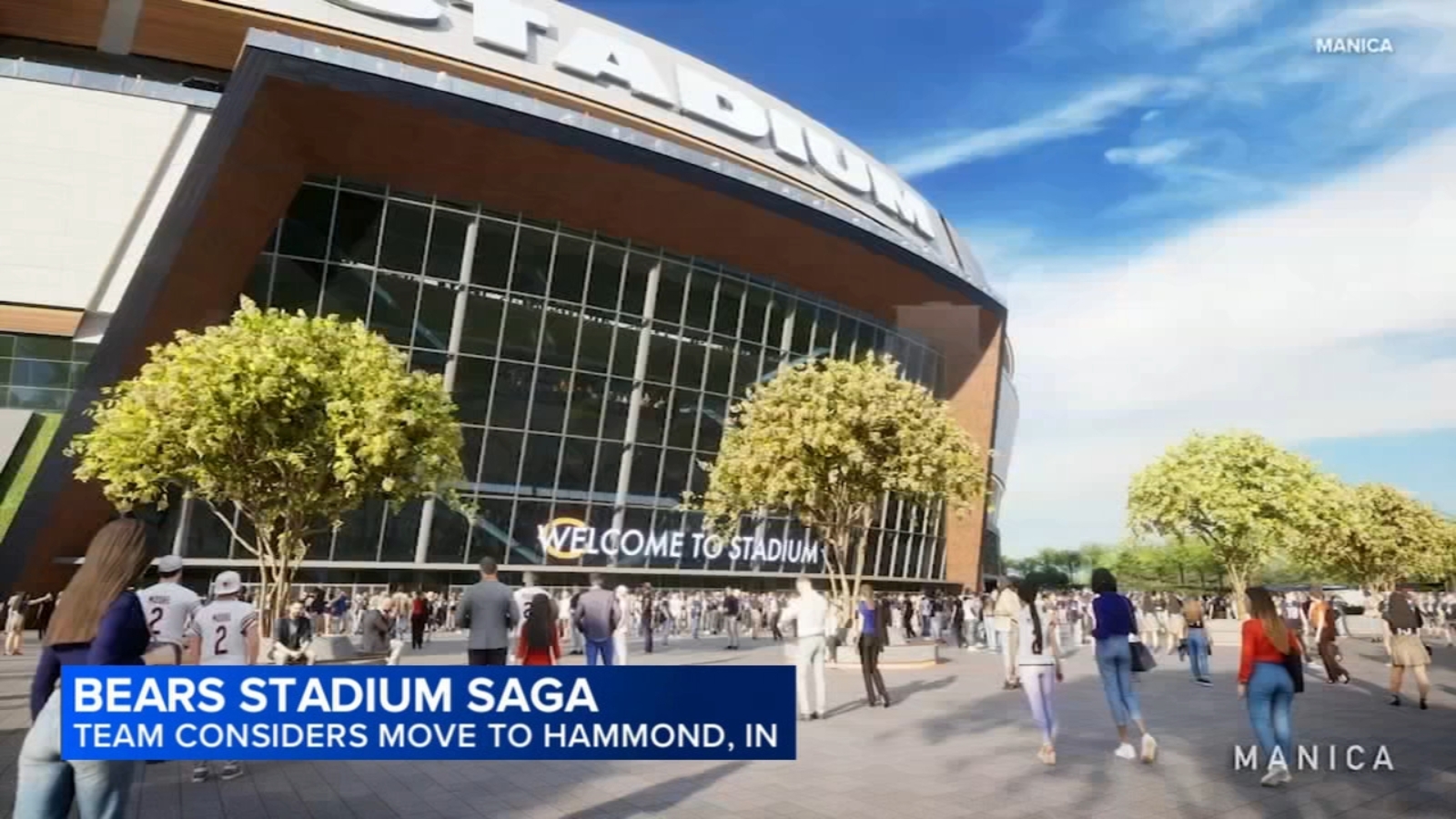
Indiana advanced legislation that would clear the way for the Chicago Bears to build a new stadium in Hammond’s Wolf Lake area and is expected to pass the Indiana House imminently, a move the team called a “meaningful step forward.” Illinois’ competing “mega project” bill to enable a stadium in Arlington Heights was pulled, tweaked and rescheduled for next week as Governor Pritzker and state leaders say they are close to a deal but will not overpay taxpayers; the development tightens the timeline and increases political and fiscal risk around which state ultimately secures the project.
Market structure: The near-term winners are regional Indiana stakeholders (Hammond, casino/hospitality, suburban retail) and large engineering/construction contractors that capture a $1.0–1.5bn stadium build (+$100–300m annual local spend). Losers are downtown Chicago hospitality/retail and Arlington Heights developers if Illinois fails to deliver; Illinois taxpayers face fiscal pressure if incentives rise, shifting municipal demand/pricing power away from Cook County to Lake County (IN). Pricing dislocation will be local/regional, not national, but can reweight REIT and muni-credit spreads by 10–50bps.
Risk assessment: Key catalysts in the next 7–14 days (Indiana House likely vote; Illinois rescheduled hearing next Thursday) will create binary outcomes. Tail risks: protracted litigation or a bidding war that forces Illinois to increase incentives (widen IL muni spreads by >50bps) or a Bears unilateral commitment to Hammond within 30 days. Hidden dependencies include transportation upgrades (I‑90/I‑94 access), federal grant approvals, and sponsorship/naming-right deals that materially change project IRR; timeline to shovels is 12–36 months.
Trade implications: Tactical plays favor long exposure to large contractors/engineers (Jacobs J, AECOM ACM) via 9–12 month call spreads sized 1–3% each, overweight Indiana municipal paper (or a Midwest muni ladder) and underweight Illinois munis by 2–4% of fixed‑income allocation. Consider a pair: long suburban retail exposure (SPG 0.5–1%) and short downtown office/Chicago-centric REITs (VNO 0.5–1%) for 6–12 months; close or flip if Illinois bill passes.
Contrarian angles: Consensus assumes political churn keeps Bears in Illinois — that is underestimating execution friction and time preference. If Indiana clears statute and Bears sign an LOI within 30 days, muni/REIT moves will overshoot; conversely, a credible Illinois counter-offer within next 7 days will create a quick mean-reversion trade. Watch Hammond muni yields widening >50bps or Bears announcing binding commitment; those are triggers to materially scale positions.
AI-powered research, real-time alerts, and portfolio analytics for institutional investors.
Request DemoOverall Sentiment
mildly negative
Sentiment Score
-0.25
