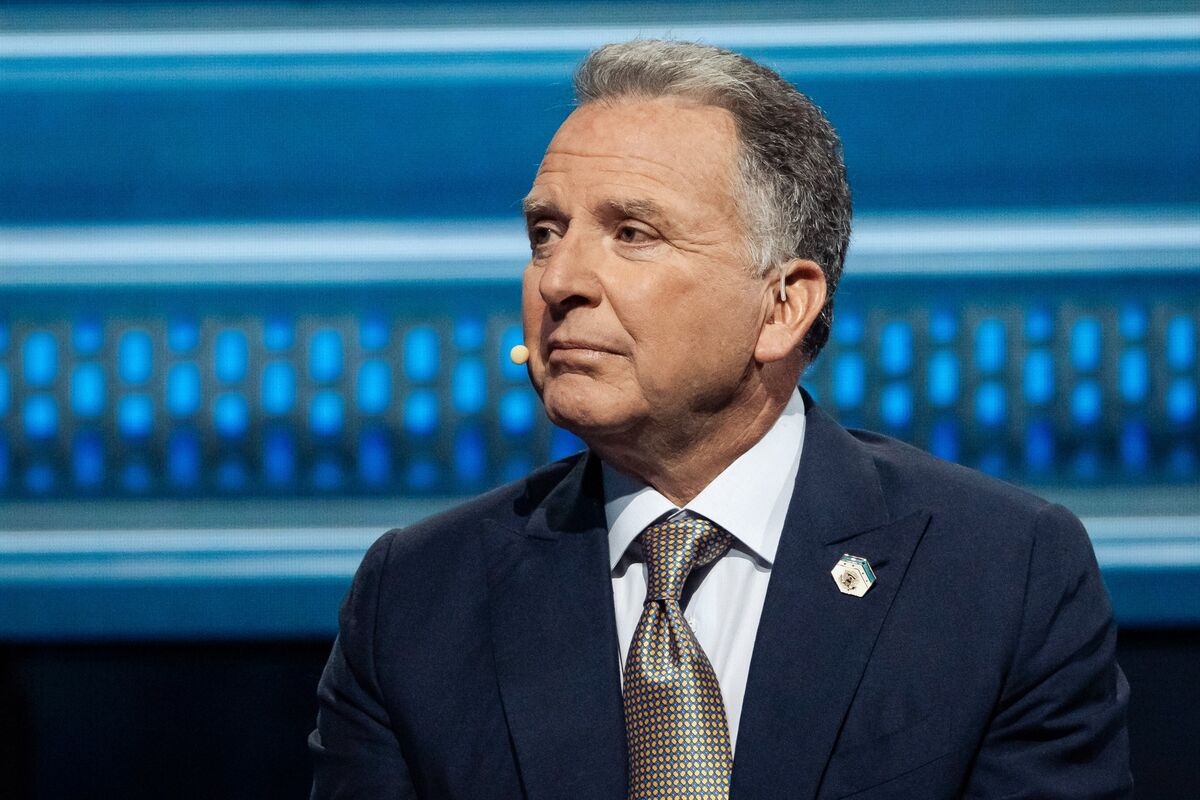
A Kremlin aide, Yuri Ushakov, said there is a preliminary agreement for U.S. presidential envoy Steve Witkoff to lead a delegation to Moscow next week for talks, accompanied by other administration officials involved in Ukrainian affairs. The trip, announced as President Trump pushes for a deal to end the war in Ukraine, could alter geopolitical risk dynamics and the sanctions outlook if it yields substantive progress, though details and outcomes remain uncertain.
Market structure: A credible US delegation visit to Moscow next week raises the probability of at least interim de‑escalation (short window: 1–8 weeks), which is negative for energy and defense risk premia and positive for risk assets, EM FX and European cyclical names. Expect directional pressure: oil down 5–12% if concrete steps (ceasefire talk or freeze) are signaled within 14 days; defense primes could reprice 3–8% over a month as order visibility weakens.
Risk assessment: Tail risks include talks collapsing or being used as a cover for escalation (low probability, high impact) — this would spike oil >15%, defense +10–20%, and safe havens (gold, USD, UST) rally. Time horizons split: immediate (days) = event volatility around announcements; short (weeks) = news-driven reallocation; long (quarters) = structural shifts if sanctions unwind. Hidden dependencies: sanctions relief is binary and contingent on legal/financial channels reopening (SWIFT, secondary sanctions) which could take months despite headlines.
Trade implications: Favor tactical short energy/defense exposure and selective long FX/European cyclical exposure while buying asymmetric hedges. Use options to size conviction: cheap OTM puts for defense and VIX calls as event insurance, and 1–3 month call spreads on EURUSD or European banks for a risk‑on tilt if talks progress within 30 days.
Contrarian angles: Consensus assumes sustained de‑escalation or no change; the miss is that even limited diplomatic progress often spikes risk assets briefly but rarely leads to immediate sanction relief — downside for oil/defense may be overdone. If talks are merely exploratory, defensive names will mean-revert higher; avoid fully removing hedges until legal sanction rollbacks appear (look for specific Treasury/OFAC guidance within 45–90 days).
AI-powered research, real-time alerts, and portfolio analytics for institutional investors.
Request DemoOverall Sentiment
mildly positive
Sentiment Score
0.05
