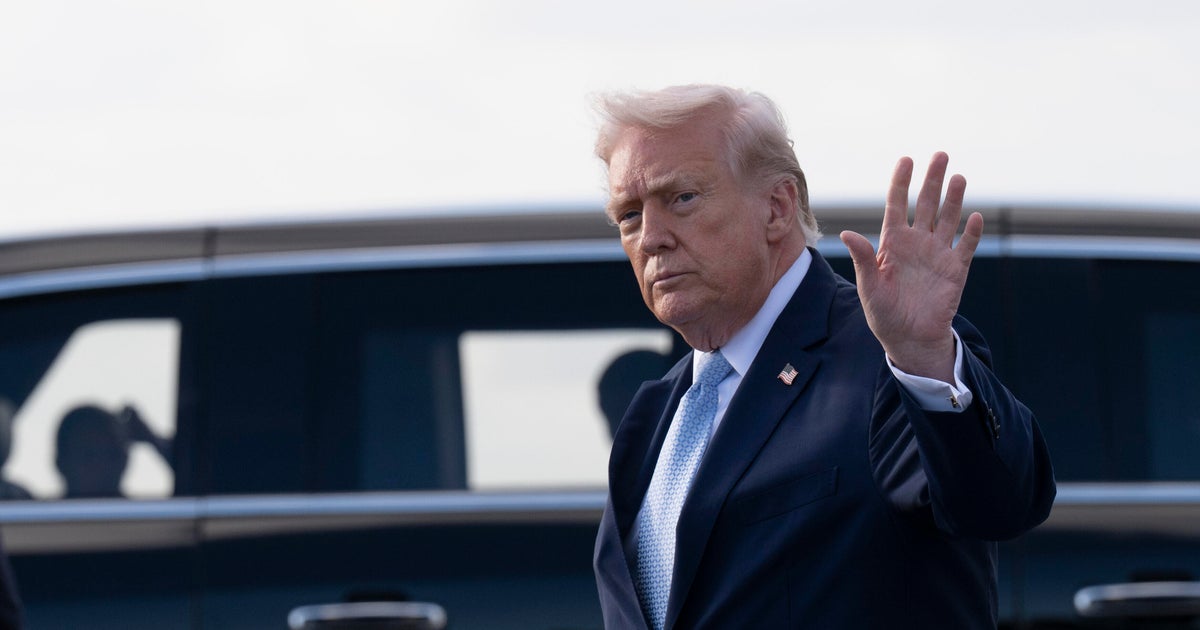
President Trump voted by mail in Florida's special election for the 87th district, requesting the ballot on March 14, received March 15, and his vote was submitted and counted. Days later he denounced mail-in voting as "mail-in cheating" and is promoting the SAVE America Act to tighten voter ID and restrict mail ballots — a politically notable contradiction that may fuel policy debate but has negligible near-term market impact.
This episode crystallizes a predictable political dynamic rather than a new one: rhetoric against mail-in voting is being weaponized to justify state-level legislative changes that shift the mechanics of turnout. Expect a staggered implementation cadence — aggressive bills can pass in Republican-controlled states within 3–9 months, but meaningful nationwide effects will evolve over 1–3 years because of inevitable litigation and administrative rollouts. Litigation and emergency rules will be the dominant source of market noise, creating episodic volatility around state supreme courts and federal injunctions.
Operationally, a durable reduction in mail-ballot volumes reallocates spend and logistics toward in-person GOTV, local media buys, and election-security services. Campaigns facing higher marginal costs per vote will substitute wide-area mail programs for more targeted, high-frequency local channels — local TV/radio and digital microtargeting — which historically command higher CPMs in high-stakes cycles (we estimate incremental local ad demand could rise 5–15% in affected markets ahead of midterms). Simultaneously, states will accelerate procurement of cybersecurity and voter-management tech, favoring vendors able to sell turnkey, FIS-like integration rather than commodity mail services.
Market impacts are uneven: parcel/logistics players see minimal top-line exposure (ballot volumes are a small fraction of US parcel revenue, <1–2% likely), while digital ad platforms and local broadcasters stand to capture the bulk of incremental campaign spend ahead of Nov 2026. Key catalysts to watch: state bill passage dates, district-court injunctions, and DoJ investigations into discriminatory voting rules — any of which can flip the tradeability of media and cybersecurity names within 1–6 months.
AI-powered research, real-time alerts, and portfolio analytics for institutional investors.
Request DemoOverall Sentiment
neutral
Sentiment Score
0.00
