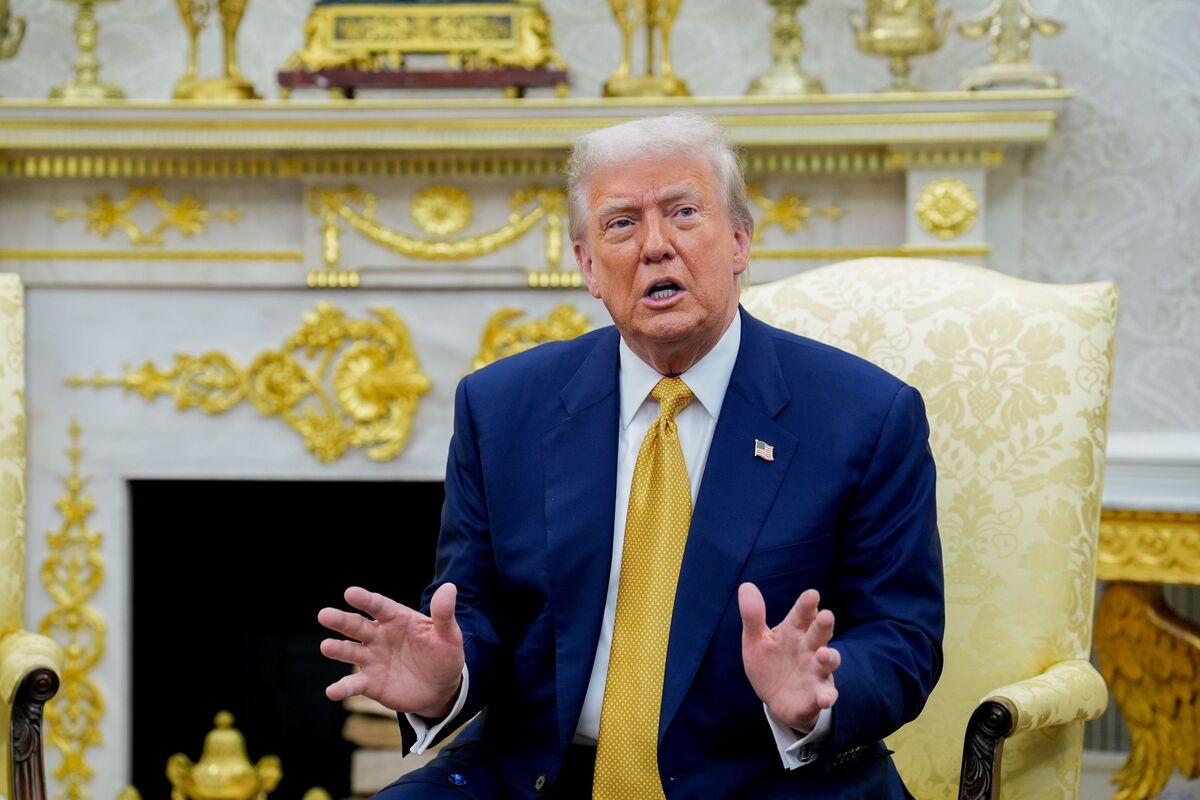
The US and Japan have concluded a trade agreement, which includes a 15% tariff on Japanese imports, particularly automobiles, and the establishment of a $550 billion fund for Japanese investments in the US. This resolution mitigates the previously threatened 25% tariffs, reshaping bilateral trade dynamics and potentially driving substantial foreign direct investment into the US.
The United States and Japan have finalized a trade agreement, replacing the uncertainty of a threatened 25% tariff with a definitive 15% tariff on US imports, specifically including automobiles. While this new tariff represents a headwind for Japanese exporters, its implementation removes a significant source of market volatility and provides clarity for corporate planning. The most impactful component of the deal is the creation of a $550 billion fund designated for Japanese investment in the American economy. This substantial capital inflow is a material positive for the US, likely to stimulate M&A, infrastructure, and domestic manufacturing. The agreement signals a strategic approach to trade policy that balances protectionist measures with mechanisms to attract significant foreign direct investment. This deal occurs within a broader global context of an AI-driven surge in electricity demand and shifting China-Europe investment dynamics due to tariff policies.
AI-powered research, real-time alerts, and portfolio analytics for institutional investors.
Request DemoOverall Sentiment
moderately positive
Sentiment Score
0.60
