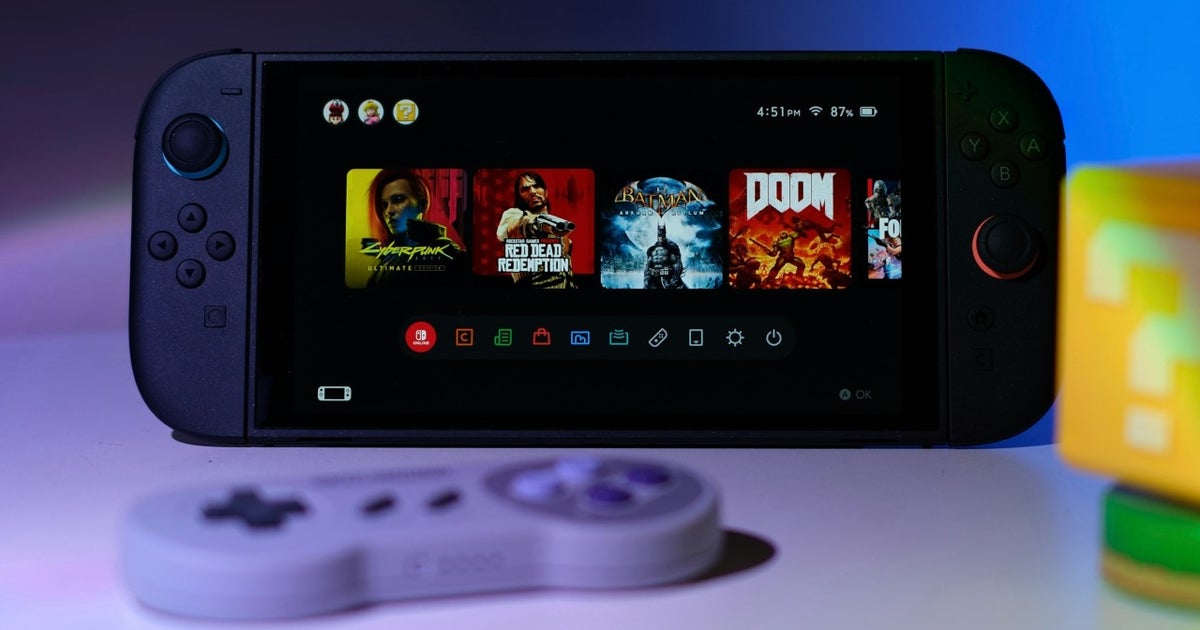
Nintendo announced price increases for the Switch 2 in the US, Canada, and Europe, with the U.S. model rising $50 to $499.99, Canada up C$50 to C$679.99, and Europe up €30 to €499.99, while Japan sees broader increases across the Switch lineup. In Japan, the Switch 2 Japanese-language model rises ¥10,000 to ¥59,980, and the Switch OLED, standard Switch, and Switch Lite also increase by roughly ¥10,000 each. Nintendo also lifted Japan pricing for Switch Online subscriptions starting July 1, 2026, citing changing market conditions and memory-component shortages.
Nintendo is using pricing as a balance-sheet defense mechanism, not just a margin tweak: the move signals that supply-side cost pressure is now durable enough to be passed through without materially impairing demand, at least in the near term. The biggest second-order effect is that the installed base monetization engine becomes more valuable than hardware unit growth, which should improve lifetime value per console if engagement holds; that also makes recurring services and first-party software a larger share of the economic story. The risk is not immediate sell-through collapse, but a slower adoption curve that can create a year-long overhang on ecosystem momentum.
The competitive read-through is more interesting than the direct earnings impact. A higher launch price effectively taxes the casual gamer and widens the affordability gap versus legacy consoles and handheld alternatives, which could benefit used-device channels, discount retail, and lower-priced gaming substitutes. It also raises the bar for third-party publishers that were counting on a broad, fast-install-base rollout; if adoption slows, attach-rate assumptions and marketing ROI for software launches likely come down over the next 2-4 quarters.
The main catalyst path is sentiment, not the price change itself: if memory prices keep rising, investors will begin to model additional revisions or margin compression, but if component inflation peaks, the market will re-rate this as a one-time reset that protects profitability. Contrarian view: the market may be overestimating the elasticity hit in Nintendo’s core audience; historically, scarcity and premium positioning can support pricing power more than consensus expects, especially for a differentiated platform with strong content. The more durable concern is that repeated increases train consumers to wait, shifting demand into later cycles and making the next few holiday seasons more promotion-dependent.
AI-powered research, real-time alerts, and portfolio analytics for institutional investors.
Request DemoOverall Sentiment
mildly negative
Sentiment Score
-0.15
