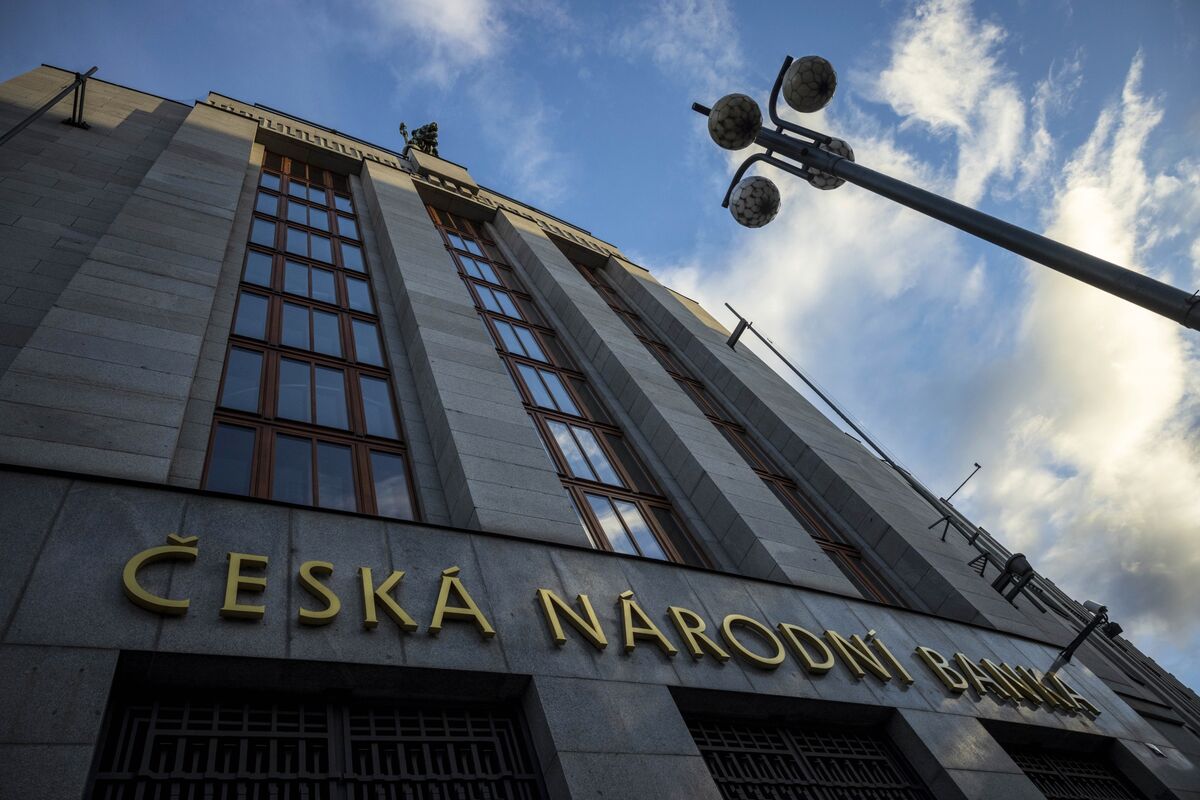
The Czech National Bank (CNB) is widely anticipated to hold its benchmark interest rate at 3.5% on Wednesday, according to a Bloomberg survey of analysts. This expected pause follows a stop-and-go easing pattern since December, with the last rate cut occurring in May. Investors are now keenly awaiting the CNB's forward guidance, seeking indications of a potentially prolonged halt in rate reductions or the ultimate conclusion of its monetary easing cycle.
The Czech National Bank (CNB) is expected to maintain its benchmark interest rate at 3.5%, a move fully anticipated by the market according to a Bloomberg analyst survey. This decision signifies a second consecutive hold, interrupting the stop-and-go monetary easing cycle initiated in December and last active with a cut in May. The primary focus for investors is not the widely priced-in rate hold itself, but the forward guidance from policymakers. Market participants are scrutinizing for any change in tone that would indicate either a prolonged pause in the easing cycle or its definitive conclusion, which will be the key determinant for asset pricing and currency direction moving forward.
AI-powered research, real-time alerts, and portfolio analytics for institutional investors.
Request DemoOverall Sentiment
neutral
Sentiment Score
0.00
