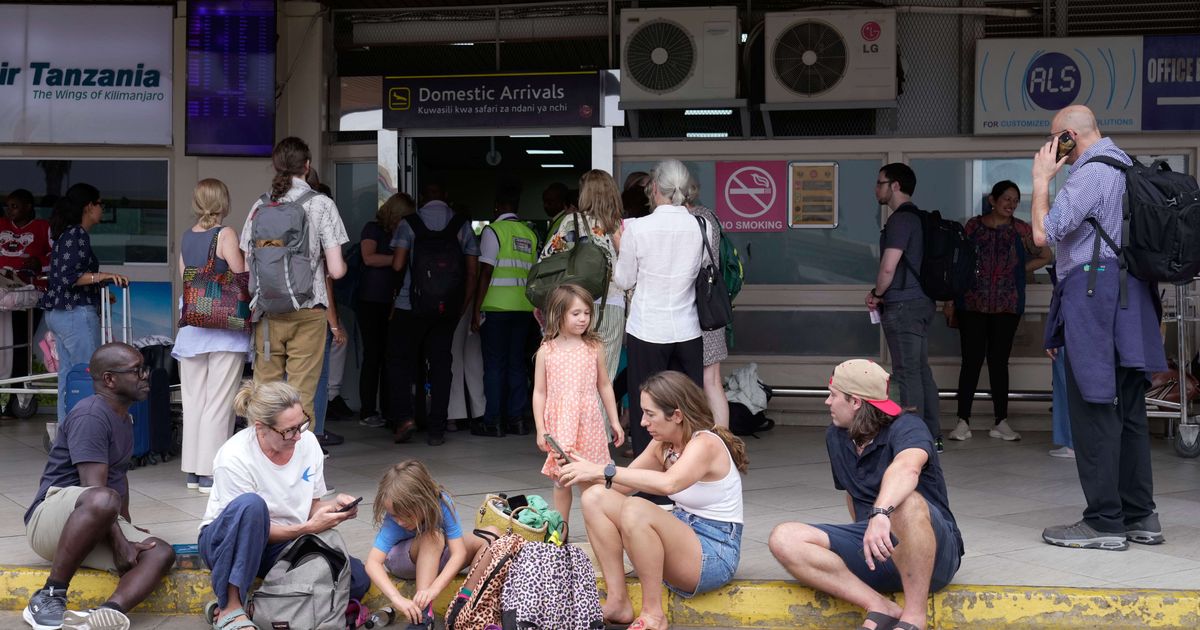
Operations at Nairobi's Jomo Kenyatta International Airport will resume after airport workers called off a two-day strike following a return-to-work agreement with the transport ministry and Kenya Civil Aviation Authority; airlines experienced delays up to six hours and urged passengers to rebook. The union had been demanding better working conditions, pay and benefits, and the government signaled commitment to stabilize the aviation sector; Kenya Airways expects normal operations within 24 hours. The resolution limits prolonged operational disruption for regional carriers and travel flows, though there may be modest, short-term scheduling and revenue impacts for airlines operating through the hub.
Market structure: Short disruption and quick return-to-work favor passengers and urgent schedule normalization; winners are ground-handling contractors (short-term overtime) and travel booking platforms capturing rebook fees, losers are carriers (cash refunds, re-accommodation costs) and the fiscally stretched national carrier (NBO:KQ) which faces margin pressure. Expect a one-off uplift in short-term demand to clear backlogs over 24–72 hours, but a 1–3% structural increase in airport/airline OPEX is plausible if wage demands are met, reducing EBIT margins by ~100–300bps for affected operators.
Risk assessment: Tail risks include a prolonged multi-day strike (low probability but high impact: >$5–10m revenue hit for major carriers) or political escalation around labor that dents tourism receipts by 5–15% over a season. Near term (days) the operational impact is contained; weeks–months could see route reliability reputational effects; quarters–years could see higher unit costs and subsidy demands raising sovereign financing spreads.
Trade implications: Tactical trades favor small, targeted positions: downside exposure to Kenya Airways/regionals (equity or credit protection) versus short-duration carry in Kenyan T-bills and selective long exposure to global airline recovery using JETS (NYSE:JETS) to capture normalization. FX: a modest long-KES forward position (0.5–1% notional) is justified if tourism arrivals rebound >5% MoM; avoid long-duration Kenyan sovereigns until labor settlement costings are clear.
Contrarian angles: The market likely underprices sustained labor-cost inflation in African aviation — consensus treats this as episodic rather than recurring; if unions secure binding higher wages across airports, expect margin compression and route consolidation (analogous to LATAM/early-2010s strikes) that can support higher fares but hurt volume. Unintended consequence: a government-funded payroll backstop would relieve carriers short-term but transfer fiscal risk to the sovereign, potentially widening KES sovereign spreads by 25–75bps over 6–12 months.
AI-powered research, real-time alerts, and portfolio analytics for institutional investors.
Request DemoOverall Sentiment
mildly positive
Sentiment Score
0.25
