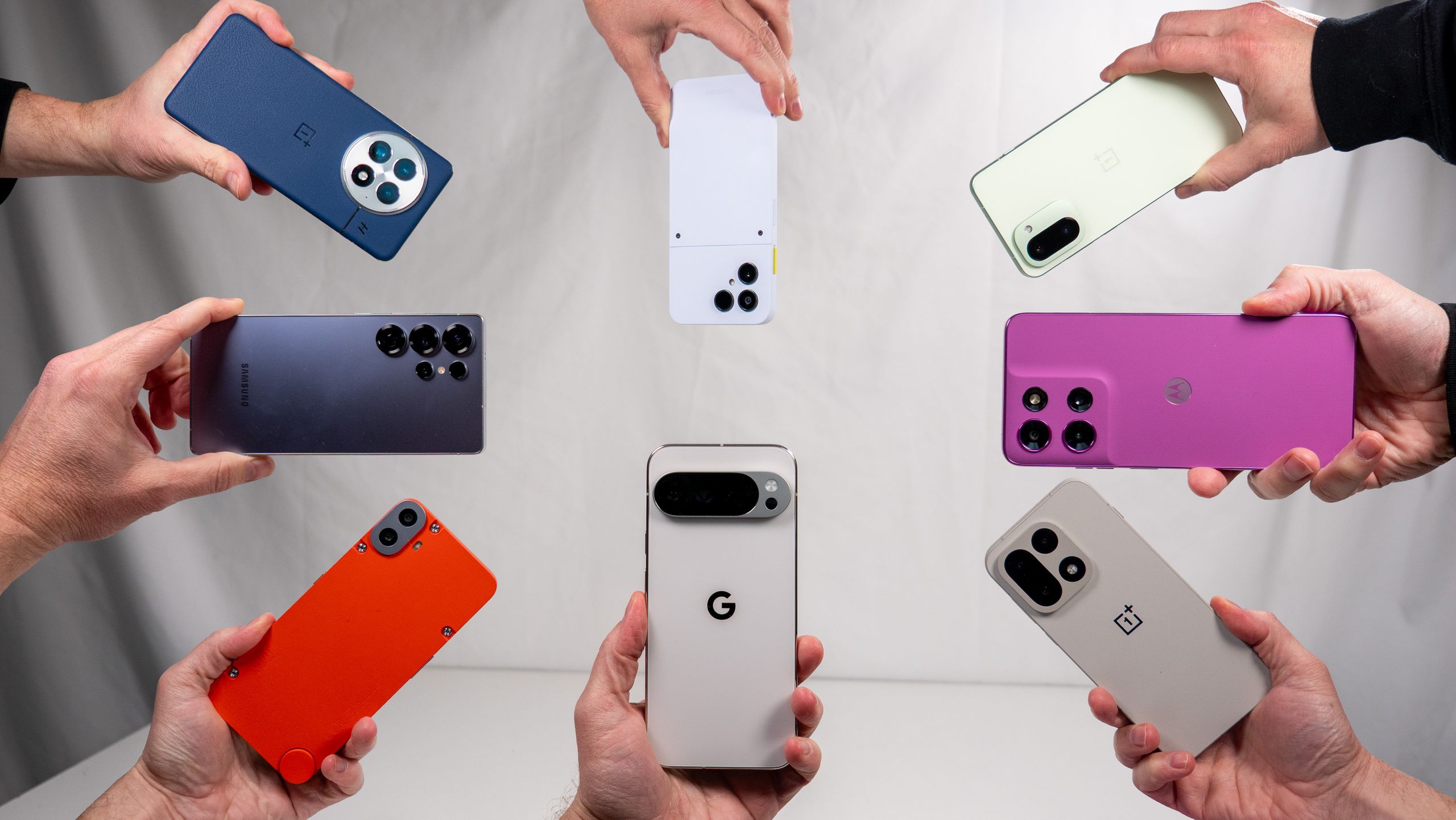
The North American smartphone market showed meaningful product-led innovation in 2025 with wider adoption of on-device/offline AI, accessibility improvements for PWM flicker, and renewed momentum in foldables (Samsung Galaxy Z Fold 7, TriFold, Motorola Razr Ultra, Pixel 10 Pro Fold). OnePlus produced a standout hit with the OnePlus 13 (the outlet's first 5‑star review) while Google’s Pixel series has grown to roughly 7% of phones sold and introduced MagSafe/Qi2 magnet integration; however, tariffs, rising RAM prices, carrier-driven distribution constraints, and canceled follow-ups to ultrathin flagships pose supply, pricing and channel risks for manufacturers and investors.
Market structure: Smartphone innovation in 2025 (foldables, MagSafe in Pixel, OnePlus product wins, and AI hubs) creates a modest reallocation of share toward Google (Pixel up to ~7% share) and premium Android OEMs at the expense of incumbents whose flagship follow-ups were canceled. Accessory and services revenue pools (MagSafe-type ecosystems, AI assistant subscriptions) shift incremental pricing power to platform owners (GOOGL, MSFT, AAPL) and memory suppliers given rising RAM costs; expect 3–6% incremental revenue growth for platform-led services over 12 months if adoption continues.
Risk assessment: Key tail risks are regulatory/antitrust actions against Google/Apple (EU/US), an escalation of China-US tariffs that raises handset prices >5–8% and slows unit demand, or a supply shock in DRAM that lifts margins for suppliers but compresses OEM gross margins. Near-term (days-weeks) volatility will follow earnings and device availability notes; medium-term (3–12 months) outcomes hinge on carrier listings and tariff rulings; long-term (1–3 years) winners are platforms with offline AI and accessory ecosystems.
Trade implications: Favor platform exposure with defined-risk option structures—GOOG/GOOGL for AI+Pixel hardware momentum, MSFT for AI infra, and avoid/short marketplaces exposed to gray-market handset flows like EBAY. Use pair trades to express share-shift (long GOOG vs short EBAY) and favor semiconductors/DRAM suppliers if RAM price inflation persists >10% over a quarter.
Contrarian angle: Consensus underweights the durability of offline AI as a competitive moat—companies offering local models (GOOGL, select Android OEMs) can monetize privacy-sensitive use cases and win enterprise customers. Conversely, enthusiasm for ultrathin devices may be overdone: cancelations from Apple/Samsung suggest feature tradeoffs hit demand; a 5–10% re-rating in OEM hardware multiples is plausible if next-cycle sell-through weakens.
AI-powered research, real-time alerts, and portfolio analytics for institutional investors.
Request DemoOverall Sentiment
mildly positive
Sentiment Score
0.30
Ticker Sentiment
