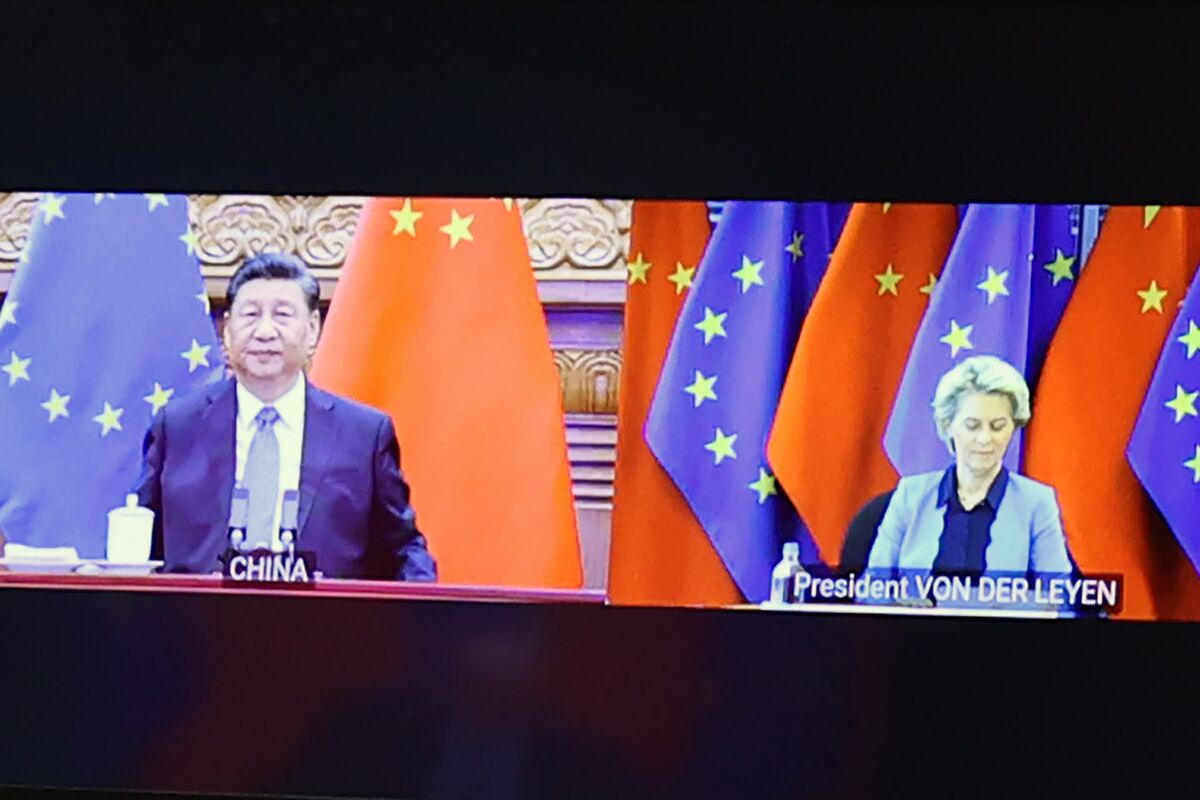
China has reportedly failed to capitalize on Europe’s grievances over US tariffs, signaling a complex dynamic in EU-China relations. This inability to leverage shared dissatisfaction comes as the 50-year diplomatic ties between the European Union and Beijing are described as being at an “inflection point,” suggesting a critical juncture in their strategic alignment.
The inability of China to capitalize on European grievances regarding US tariffs signals a significant geopolitical development, suggesting the EU is not automatically aligning with Beijing against Washington. This dynamic occurs as the 50-year diplomatic relationship between the EU and China is described as being at an "inflection point," indicating a potential strategic reassessment by European policymakers. The moderately negative sentiment and uncertain tone surrounding this development imply that markets view this lack of alignment as a source of prolonged trade friction rather than a resolution. For investors, this points to a more fragmented global trade environment where the EU may be pursuing a more independent, and less predictable, path between the two superpowers, heightening risks for sectors dependent on stable international supply chains.
AI-powered research, real-time alerts, and portfolio analytics for institutional investors.
Request DemoOverall Sentiment
moderately negative
Sentiment Score
-0.40
