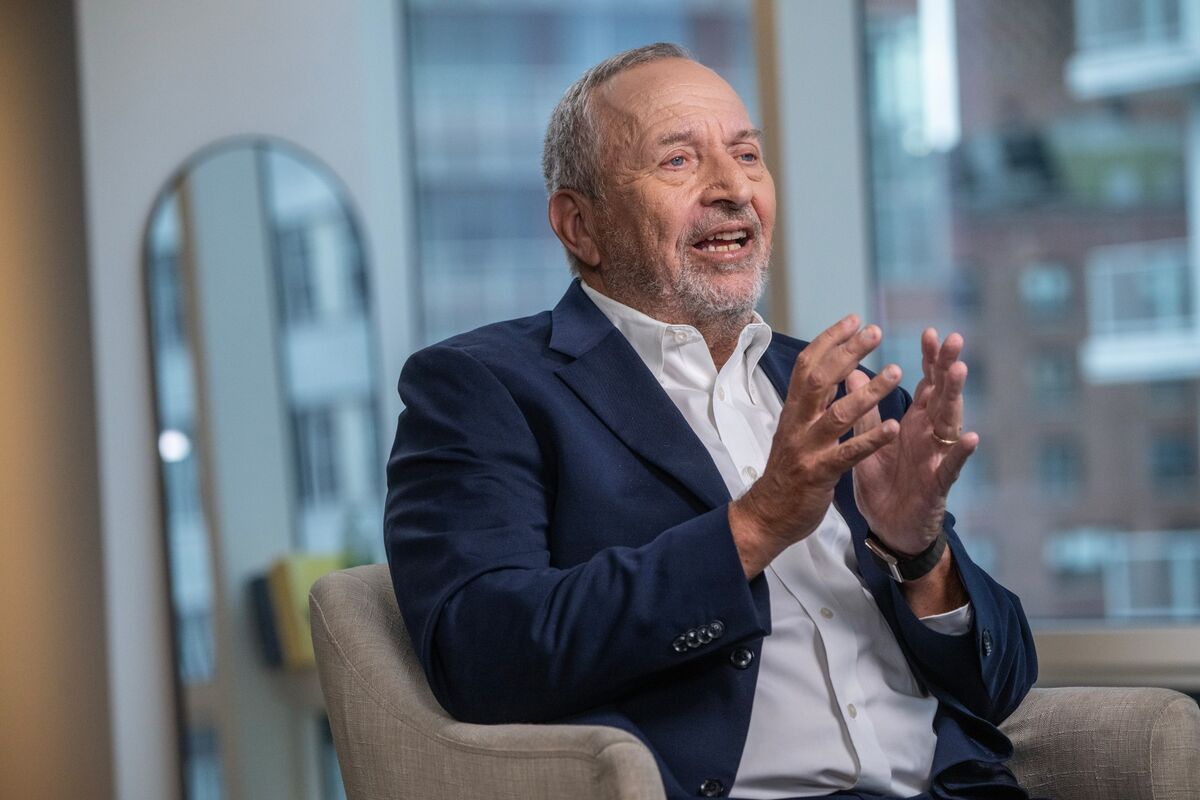
Former Treasury Secretary Lawrence Summers stated that current Federal Reserve policy is "on the loose side," emphasizing that the primary risk to the U.S. economy is inflation, not unemployment. He suggested that financial conditions indicate policy is looser than commonly perceived, tilting the balance of risks towards inflationary pressures.
Former Treasury Secretary Lawrence Summers has articulated a hawkish view on U.S. monetary policy, suggesting the Federal Reserve's current stance is 'on the loose side.' His analysis, based on an assessment of all financial conditions, posits that policy is more accommodative than commonly perceived. Consequently, Summers identifies inflation as the predominant risk to the U.S. economy, shifting the focus away from the labor market by stating, 'The balance of risks is a bit more tilted towards inflation rather than unemployment.' This perspective, marked by a cautious tone and moderately negative sentiment score (-0.5), implies that the Federal Reserve may be behind the curve in taming price pressures, potentially necessitating a more aggressive or prolonged tightening cycle than markets currently anticipate. The market impact score of 0.6 further highlights the significance of this commentary from a prominent economist.
AI-powered research, real-time alerts, and portfolio analytics for institutional investors.
Request DemoOverall Sentiment
moderately negative
Sentiment Score
-0.50
