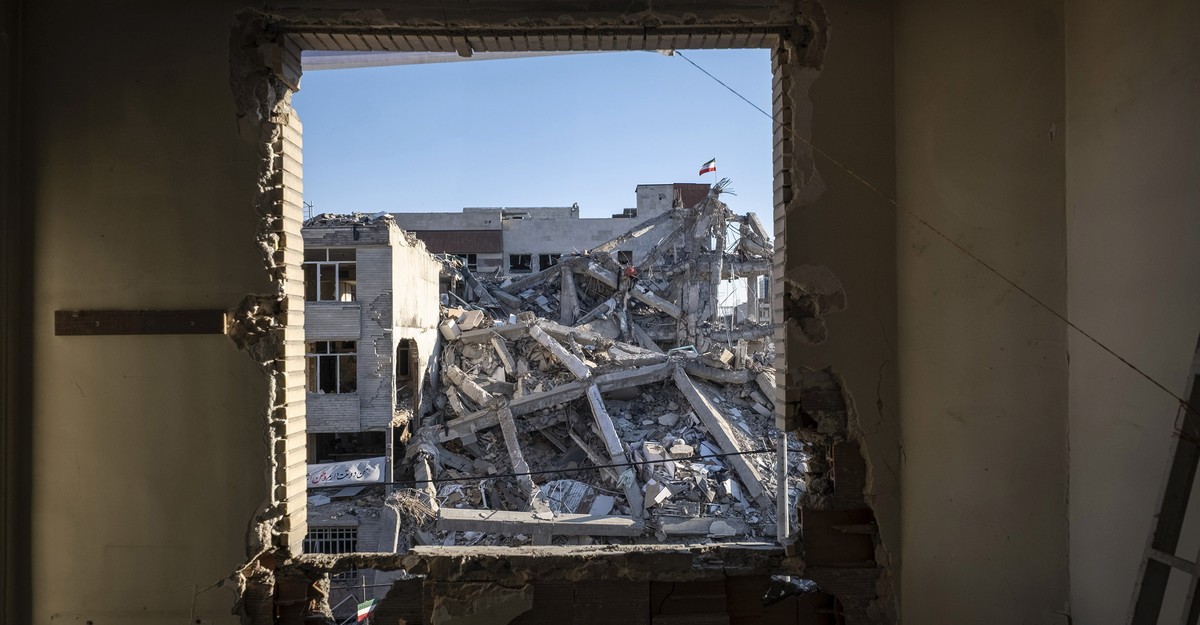
The Iran war is described as a major negative shock with lasting global effects, including elevated jet fuel, diesel, and petrochemical prices for the better part of a year and rebuilding/rearmament costs for Gulf states over several years. The article says roughly 4% of global LNG could remain offline for at least three years after strikes on Ras Laffan, while the Strait of Hormuz has become a functional choke point that could keep shipping and insurance costs elevated. It also argues Gulf capital may be redirected home from U.S. AI and venture investments, and that U.S.-Israel defense ties may need a major rethink.
The first-order market read is not just higher energy prices; it is a multi-quarter capital reallocation away from external growth and into hardening domestic infrastructure across the Gulf. That is bearish for the private-market ecosystem that has relied on Gulf LPs for late-stage growth and AI funding, and it also means less marginal bid for U.S. risk assets that had been indirectly supported by petrodollar recycling. The real second-order loser is the high-duration “AI everything” trade: if sovereigns are forced to reserve capital for reconstruction, defense, and reserve replenishment, deal flow and secondaries liquidity should tighten before headline spending data shows up.
The most underappreciated price impact is not crude, but refined-product and industrial input inflation. Jet fuel, diesel, LNG, ammonia, and petrochemical feedstocks should stay tight well after any cease-fire because bottlenecks in processing and liquefaction are much harder to replace than barrels in the ground. That creates a broader margin squeeze for airlines, trucking, chemicals, and European manufacturing, while U.S. upstream producers benefit less than expected because the bottleneck shifts downstream and export constraints cap realized upside.
On security, the market is likely still underestimating how quickly defense spending normalizes into an arms-replacement cycle. Missile-defense stocks and select naval/electronic-warfare names should see recurring orders, but the bigger structural winner is U.S. strategic leverage in the Gulf: even hostile outcomes still leave regional states more dependent on Washington because no other power can underwrite sea-lane security. The contrarian point is that the immediate geopolitical premium in equities may be overdone, but the inflation and capex impulse is underpriced because it compounds through inventories, insurance, and financing costs over 6-18 months rather than days.
The cleanest trade is to fade consumer and transport beneficiaries of cheap energy assumptions while owning defense and select energy infrastructure. If the Strait risk persists, the catalyst path is a renewed insurance shock or another drone/missile exchange; if diplomacy stabilizes, these trades should be reduced quickly because much of the headline war premium will mean-revert. The most likely market mistake is treating this as a one-time event instead of a regime shift in logistics, sovereign balance sheets, and Gulf capital export behavior.
AI-powered research, real-time alerts, and portfolio analytics for institutional investors.
Request TrialOverall Sentiment
strongly negative
Sentiment Score
-0.78
