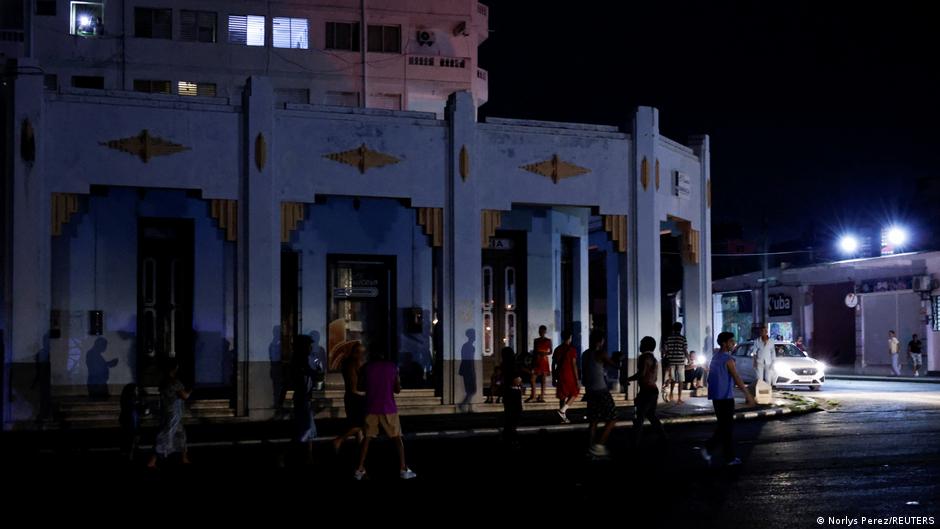
Cuba said its power grid has entered a 'critical' state after oil reserves ran out amid a US blockade of fuel shipments, with blackouts stretching to 20 hours a day in Havana and lasting days in some provinces. The country has received no fuel from top suppliers Venezuela and Mexico since January, aside from one Russian-flagged crude delivery in April, while rising oil prices from the Iran war are worsening the shortage. The crisis has triggered protests and a US aid offer of $100 million, underscoring escalating geopolitical and energy-supply तनाव with broader regional implications.
This is less a Cuba story than a live test of how far energy coercion can be extended before it starts re-pricing regional risk. The immediate losers are not just Havana’s utilities and consumers; it is any counterparty that has to touch sanctioned or politically exposed fuel flows in the Caribbean, especially smaller shippers, traders, and insurers whose compliance cost now rises faster than the marginal profit on the cargo. The second-order effect is a sharper premium for non-US energy diplomacy: countries with spare barrels gain leverage, while those already near capacity become less reliable, which should widen volatility in prompt physical differentials rather than just headline Brent. The most important near-term market implication is not Cuba-specific consumption, but a modest upward bias in regional refined-product prices if the blockade persists into peak summer demand. Even a tiny diversion of Caribbean/Mexico/Venezuela-linked product into longer, less efficient routing can tighten the low-quality middle distillate pool and lift freight rates, which tends to benefit integrated majors and tanker exposure more than outright crude. Meanwhile, the political framing raises the probability of asymmetric policy risk: humanitarian aid offers may be used as a pressure valve, but if unrest escalates, expect either a sudden de-escalation attempt or a further ratchet in sanctions enforcement rather than a smooth middle path. The contrarian read is that the market may be overestimating how durable the current squeeze is. Cuba’s energy system is fragile, but that also makes it highly responsive to a single diplomatic workaround, so the tail risk is a surprise resumption of imports via a third-country intermediary or a humanitarian carve-out within weeks, not months. That argues against chasing expensive crude upside here; the better expression is optionality on volatility and on the transport/insurance layer that benefits from policy uncertainty regardless of whether barrels ultimately move. If the outages deepen, the macro risk is local instability rather than direct commodity demand loss, but that can still feed back into US policy and Latin American sovereign spreads over a 1-3 month horizon. Watch for any sign of Venezuela/Mexico quietly re-entering the supply chain or for US humanitarian channeling to soften; either would compress the risk premium quickly. Absent that, the trade is a grind higher in geopolitical risk premia, not a clean directional oil bull case.
AI-powered research, real-time alerts, and portfolio analytics for institutional investors.
Request DemoOverall Sentiment
strongly negative
Sentiment Score
-0.82
