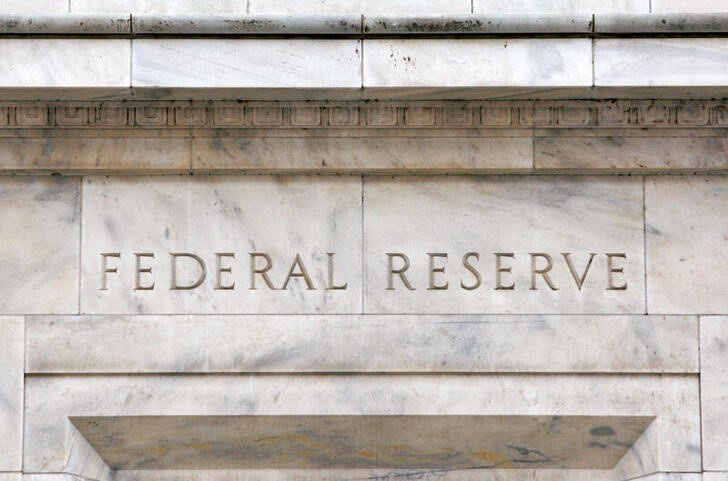
Bank of America is still forecasting two Fed rate cuts in 2026, but the balance of risks has shifted toward no cuts as policymakers remain focused on supply-driven inflation and limited wage pressure. BofA highlighted soft consumer data, with real spending up just 0.1% month-on-month in February and only 0.8% annualized over the past three months, while headline PCE ran at a 4.1% annualized pace. The note reinforces a dovish long-run bias at the Fed, but near-term inflation and energy-price pressure remain the key headwinds.
The market implication is less about the exact timing of two cuts and more about the regime shift: if the Fed is willing to tolerate supply-led inflation but not wage-led inflation, duration should remain vulnerable to any upside inflation surprise while cyclicals and financials get a cleaner earnings tailwind from a still-resilient nominal backdrop. For BAC specifically, the setup is mixed—lower policy rates help funding costs and mark-to-market on securities, but if the economy is only decelerating rather than breaking, the bigger effect is likely flatter NII upside than bulls hope because deposit beta relief can lag and loan growth could soften before credit costs improve.
The second-order loser is the consumer complex. Even modest real-spending deceleration combined with sticky headline inflation tends to hit discretionary names with high monthly price sensitivity first: apparel, specialty retail, and lower-end consumer credit exposures. That pressure can migrate into banks through card delinquencies with a lag of 1-2 quarters, so the near-term market may underprice the credit-quality deterioration channel if energy keeps eroding household purchasing power.
The contrarian angle is that consensus is treating "no cuts" and "two cuts" as a binary macro call, when the more important variable is the path of front-end yields into the summer. If the market starts pricing a delayed but sharper easing cycle, the best relative expression is not simply long banks; it is long quality duration and short the most rate-sensitive domestic consumer names, because the former benefits from lower discount rates while the latter faces the most direct real-income squeeze. Warsh’s arrival could also matter less for policy substance than for communication credibility—if he signals tolerance for a slower normalization path, the curve could bull-flatten even without immediate cuts, which is typically supportive for lenders with strong deposit franchises but negative for bond-proxy equities.
AI-powered research, real-time alerts, and portfolio analytics for institutional investors.
Request DemoOverall Sentiment
mildly negative
Sentiment Score
-0.15
Ticker Sentiment
