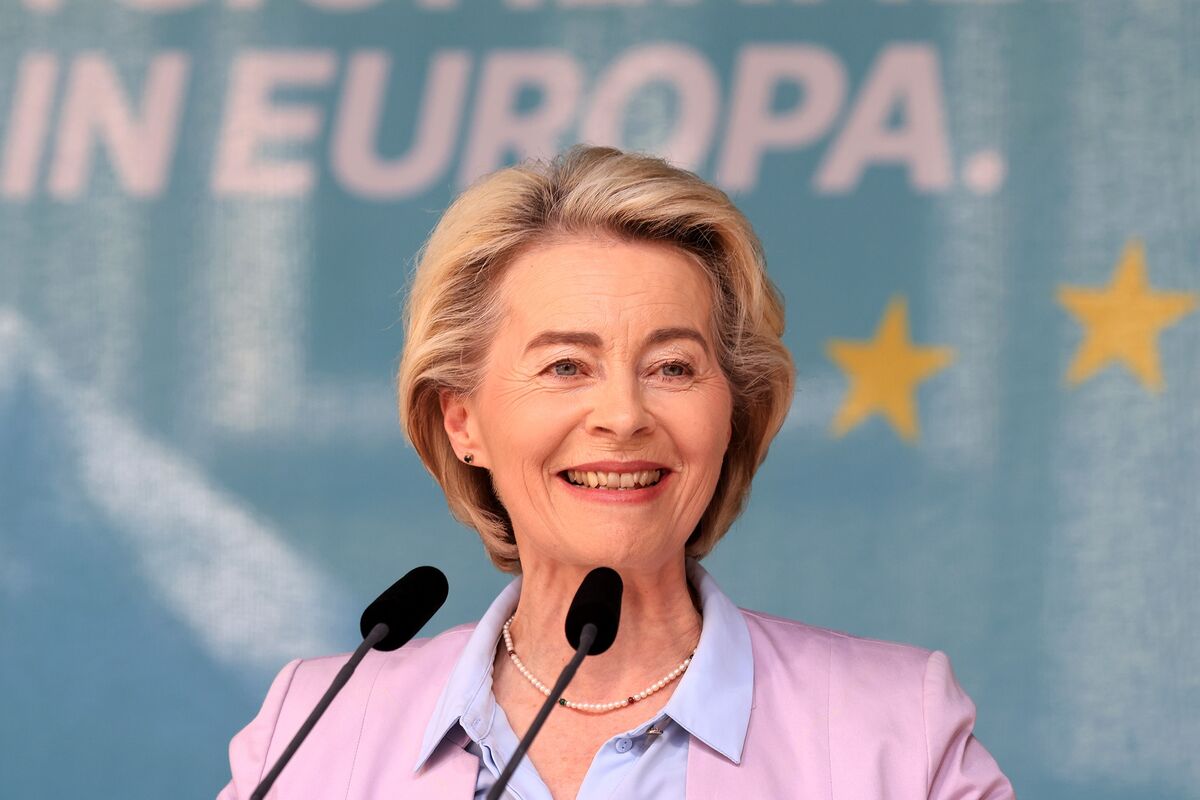
The European Union has initiated negotiations for its next seven-year budget, a substantial allocation totaling nearly €2 trillion, which is slated to begin in 2028. This significant financial framework, primarily funded by wealthier member states, is expected to create potential investment opportunities for private investors as the EU determines spending priorities across key sectors including defense, agriculture, and science and research.
The European Union has commenced negotiations for its next seven-year budget, set to begin in 2028, involving a substantial allocation of nearly €2 trillion. This significant financial framework, primarily funded by wealthier member states like Germany, represents a critical fiscal policy decision for the bloc. The process is characterized by "horse-trading" and an early stage "battle," indicating complex and potentially protracted discussions.
The distribution of this multi-trillion-euro budget is expected to create considerable opportunities for private investors across several key sectors. The EU will determine spending priorities in areas such as defense, agriculture, and science and research, aligning with themes of infrastructure, technology, and innovation. This strategic allocation will direct capital towards specific growth areas within the European economy.
Despite the long-term investment potential, the overall sentiment surrounding these negotiations is currently "mixed" with an "uncertain" tone, reflected by a sentiment score of -0.1. The market impact score of 0.45 suggests a moderate but not immediate market reaction, likely due to the early stage of negotiations and the 2028 start date. This uncertainty stems from the inherent political complexities and "horse-trading" involved in such a large-scale budgetary process.
AI-powered research, real-time alerts, and portfolio analytics for institutional investors.
Overall Sentiment
mixed
Sentiment Score
-0.10
