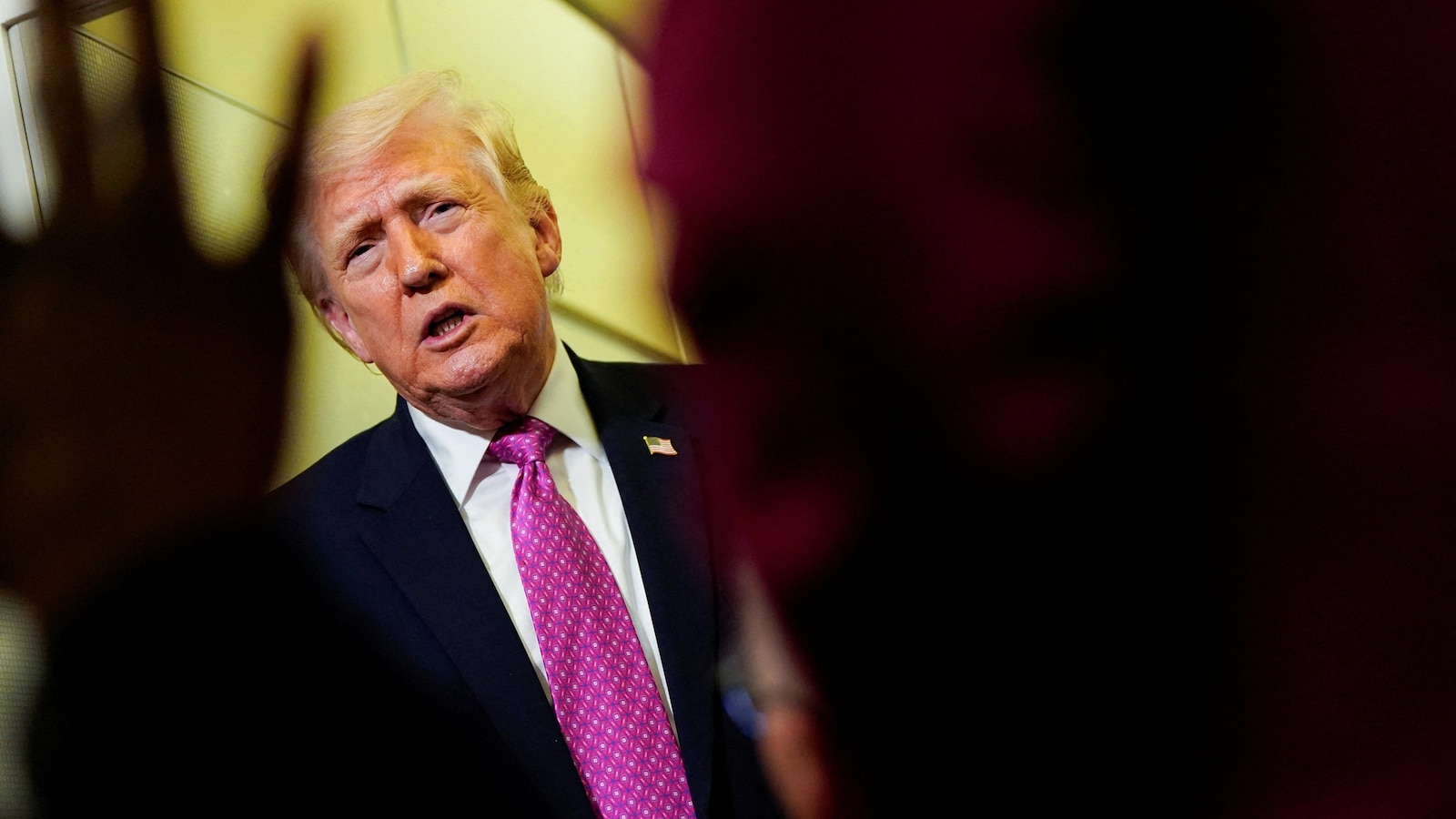
Marco Rubio said there are 'fractures' within Iran's leadership and confirmed the U.S. is in discussions with individuals who might constitute a 'new, and more reasonable, regime,' while declining to identify them. He cautioned contacts must be tested for power to deliver, acknowledged the possibility talks fail, and interpreted President Trump's comments as indicating a preference for diplomacy despite threats of repercussions.
A credible factional split inside Iran creates an asymmetric, high-conviction event pathway: a diplomacy window that can compress Middle East risk premia quickly (days–weeks) if contacts produce verifiable operational changes (e.g., cessation of harassment in the Strait of Hormuz, release of hostages, or public order-of-command signals). Markets will price this via a fall in shipping insurance and a 3–7 $/bbl downward move in Brent within 1–3 weeks if behavior normalizes and crude flows remain uninterrupted; conversely, a failed negotiation would re-embed a 5–15 $/bbl premium within days.
Defense and cyclical flows are the primary second-order channels. If diplomacy takes hold, expect a 6–12% re-rating pressure on near-term defense revenue and backlog expectation lines over 1–6 months as emergency procurement narratives fade; industrials and trade-sensitive cyclicals should benefit by 4–8% in the same window as logistical costs and insurance discounts feed into margins. On the supply side, a partial Iranian oil normalization could add 300–500 kbpd over 3–12 months, weighing most on high-cost US shale names that trade at 4–6x EV/EBITDA and have limited hedges.
Tail risk remains asymmetric and politicized: an immediate reversal (strike, miscalculation, or public exposure of intermediaries) could snap markets back to premium pricing in 24–72 hours. Key catalysts to watch on a tight timeline are independent verification of reduced naval incidents, transparent changes in IRGC command signaling within 7–21 days, and any US public confirmations which would materially change option-skew and volatility across energy, defense, and gold.
AI-powered research, real-time alerts, and portfolio analytics for institutional investors.
Overall Sentiment
neutral
Sentiment Score
0.00
